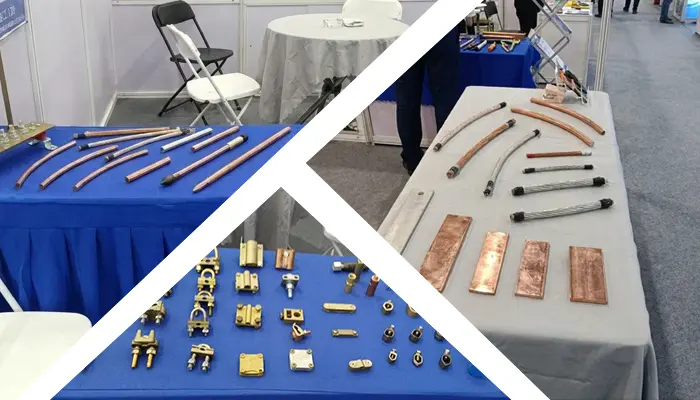
Factory Direct Ground Enhancement Material for Superior Electrical Grounding Performance
Ground Enhancement Material is a key component used to improve grounding system performance by reducing soil resistivity and increasing current dissipation efficiency. It is widely applied in grounding networks where natural soil conditions cannot meet electrical resistance requirements.
Saint Ni Lightning Protection manufactures high-performance grounding enhancement materials based on conductive graphite technology. The material is designed for use with grounding rods, copper-clad steel electrodes, grounding wires, and galvanized flat steel to build stable and long-lasting grounding systems.
By forming a highly conductive filling layer around grounding conductors, the material expands the effective grounding area, improves soil conductivity, and helps maintain stable grounding resistance in harsh environments such as dry soil, rocky areas, frozen ground, and saline-alkali regions.
Product Features
Graphite-Based Conductive Structure
The grounding enhancement material uses high-purity flake graphite as the main conductive medium. The stable physical conductivity mechanism provides long-term performance without relying on chemical electrolytic reactions.
Soil Resistivity Improvement
After mixing with water, the material forms a conductive colloid that surrounds grounding electrodes and improves the conductivity of surrounding soil, effectively reducing grounding resistance.
Long-Term Environmental Stability
The material is resistant to acid, alkali, and salt corrosion. It maintains stable electrical performance under dry, rocky, frozen, and high-resistance soil conditions.
Key Indicators
Main Material
High-purity conductive graphite combined with bentonite, corrosion inhibitors, curing components, and penetration additives.
Resistance Reduction Performance
Can significantly improve soil conductivity and reduce overall soil resistivity by 50%-80% when properly installed.
Service Life
The chemically stable graphite structure provides long-term grounding performance and reduces maintenance requirements.
Advantages
Stable Grounding Performance
Provides consistent resistance reduction performance compared with traditional chemical resistance reducers, especially in high-resistance soil environments.
Environmental Protection
Contains no heavy metals or harmful chemical substances and does not cause soil pollution or salinization.
Corrosion Resistance
Protects grounding electrodes from corrosion caused by moisture, acids, alkalis, and salts, extending grounding system service life.
Easy Construction
Suitable for trench installation, deep well pressure grouting, and horizontal grounding grids without requiring large construction equipment.
Applications
Power and Renewable Energy
Used in substations, photovoltaic plants, wind farms, hydroelectric stations, and transmission towers to improve grounding reliability and lightning current discharge capability.
Industrial and Petrochemical Facilities
Suitable for chemical plants, oil storage areas, and industrial grounding systems requiring corrosion resistance and stable grounding performance.
Communication Infrastructure
Applied in communication base stations and data centers to enhance protective grounding and improve equipment safety.
Railway and Transportation Systems
Used in railway grounding systems, airports, and transportation infrastructure requiring reliable grounding resistance control.
FAQ
What is Ground Enhancement Material used for?
Ground Enhancement Material is used to improve grounding system performance by reducing soil resistivity and increasing current dissipation efficiency. It is commonly applied in substations, renewable energy projects, industrial facilities, communication sites, and other grounding applications where stable resistance control is required.
How does Ground Enhancement Material reduce grounding resistance?
The material forms a highly conductive layer around grounding electrodes after mixing with water. This increases the effective contact area between the grounding conductor and surrounding soil, improves soil conductivity, and helps reduce overall grounding resistance.
What are the advantages of graphite-based grounding enhancement materials compared with chemical resistance reducers?
Graphite-based materials use a physical conductivity mechanism without heavy metals or harmful chemicals. They provide long-term stability, corrosion resistance, and environmental protection, while chemical resistance reducers may cause soil salinization and resistance rebound over time.
Can this material be used in dry, rocky, or frozen soil conditions?
Yes. Ground Enhancement Material maintains stable electrical performance in high-resistance environments such as dry soil, rocky areas, and frozen ground, making it suitable for complex geological conditions.
How is Ground Enhancement Material installed?
The material can be applied through trench installation, deep well pressure grouting, and horizontal grounding grid construction. The powder is mixed with water to form conductive slurry, which is then used to completely surround grounding conductors.
Is Ground Enhancement Material environmentally friendly?
Yes. The material does not contain heavy metals or harmful chemical substances. It works through physical conductivity and does not cause soil pollution, toxic residue, or soil salinization.


- View as

Bentonite Ground Resistance Reduction Material
Saint Ni Lightning Protection specializes in manufacturing Bentonite Ground Resistance Reduction Material for professional grounding applications. Designed to improve soil conductivity, this mineral-based resistance reduction solution uses high-activity bentonite as the main raw material, combined with conductive mineral powder, moisture-retaining components, and metal protection additives through an automated mixing process.
Graphite Grounding Resistance Reducer Compound
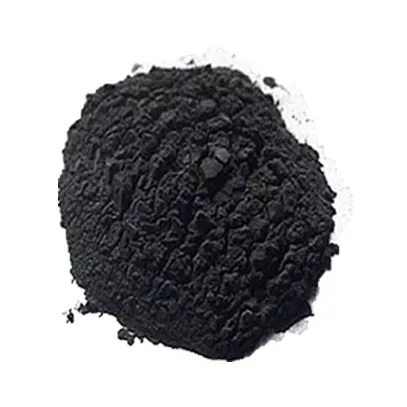
In high-voltage power, renewable energy, and industrial lightning protection grounding projects, long-term grounding stability is more important than short-term resistance reduction. Saint Ni Lightning Protection develops and manufactures Graphite Grounding Resistance Reducer Compound, using high-purity flake graphite as the core conductive medium to build a stable conductive network and improve current dispersion around grounding electrodes, providing a reliable long-term resistance optimization solution for demanding grounding applications.
Saint Ni Lightning Protection is a professional Ground Enhancement Material manufacturer and supplier in China. We have an experienced sales team, professional technicians, and an after-sales service team.