Factory Direct Aluminum Lightning Rods for Superior Lightning Protection
Aluminum Lightning Rod is a lightweight air terminal designed for external lightning protection systems. Its main advantage comes from the low-density aluminum alloy material, which reduces installation load while maintaining reliable lightning current conduction performance.
Installed at the highest point of buildings, towers, and outdoor structures, the aluminum lightning rod captures direct lightning strikes through the tip discharge effect and transfers lightning current safely through the down conductor into the grounding system.
Saint Ni Lightning Protection manufactures aluminum lightning protection products for projects where weight control, installation convenience, and outdoor durability are important factors.
Lightweight Aluminum Alloy Performance
Reduced Structural Loading
Compared with copper and other metal lightning rods, aluminum alloy provides lower weight, helping reduce the load pressure on rooftops, towers, photovoltaic supports, and other mounting structures.
Convenient Transportation and Installation
The lightweight design makes handling easier, especially for high-altitude installation projects where reducing manual workload and lifting requirements is important.
Suitable for Large-Scale Outdoor Applications
The low-weight structure provides installation flexibility for projects requiring multiple lightning protection points or extended protection systems.
Aluminum Alloy Structure and Manufacturing Process
Solid One-Piece Construction
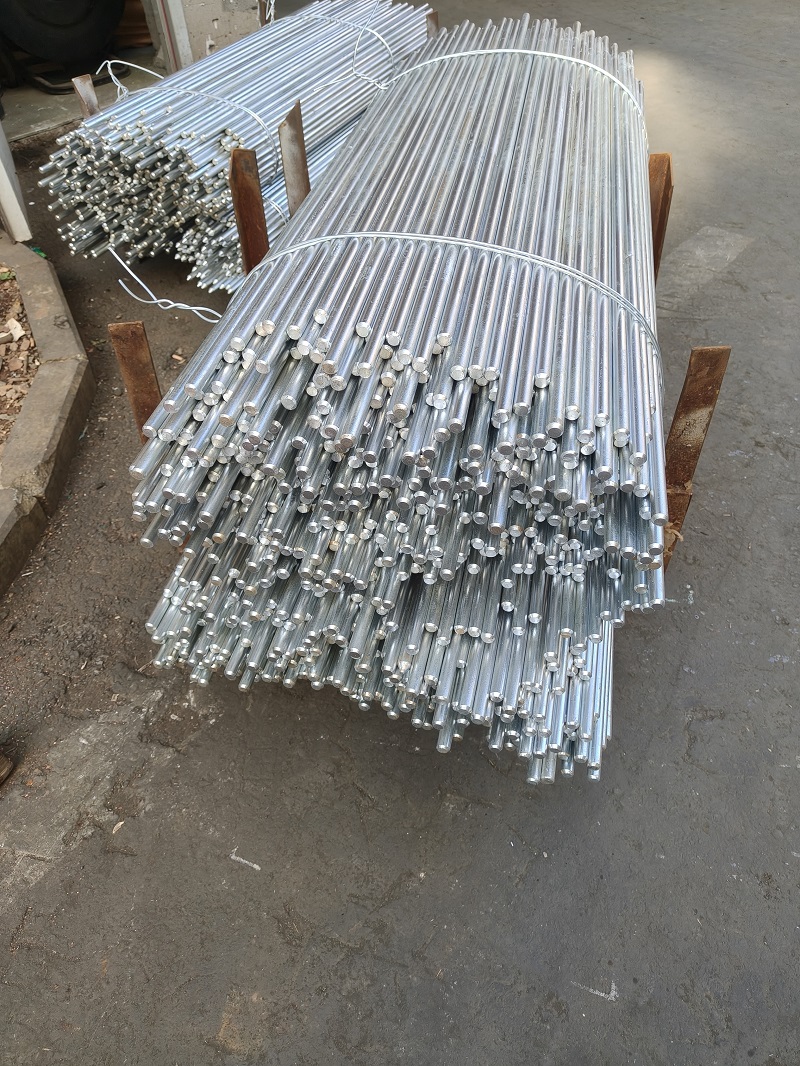
The Aluminum Lightning Rod is manufactured from solid aluminum alloy with an integrated structure. The rod body has no welding joints or coating layers, ensuring consistent material performance from the tip to the base.
Precision Polished Lightning Tip
The tip is carefully processed to create a smooth and sharp discharge point, improving electric field concentration and maintaining stable lightning interception performance.
Reliable Flange Mounting Base
The aluminum alloy flange base features accurate mounting holes and supports vertical or bracket-assisted installation according to project requirements.
Weather Resistance and Outdoor Durability
Natural Oxide Protection Layer
When exposed to air, aluminum alloy naturally forms an oxide film that improves resistance against oxidation and environmental aging.
Suitable for Low to Medium Corrosion Environments
The Aluminum Lightning Rod performs well in dry outdoor environments, general industrial areas, and locations with moderate weather exposure.
Low Maintenance Requirement
Its corrosion-resistant characteristics help reduce maintenance frequency during long-term outdoor operation.
Design Options and Custom Manufacturing
Single Rod Design
The single rod structure provides a simple and lightweight lightning protection solution, suitable for buildings, towers, and standard outdoor facilities.
Three-Pronged Design
The three-pronged structure uses multiple tips to improve lightning interception capability from different directions and is suitable for larger protection areas.
Customized Dimensions
Saint Ni Lightning Protection supports customization of rod height, diameter, flange size, and mounting specifications according to different project requirements.
Advantages
Lightweight Yet Reliable Conductivity
The aluminum alloy material provides stable electrical conductivity while significantly reducing product weight.
Strong Resistance to Outdoor Aging
The surface oxide layer helps protect the product from oxidation and weather influence during outdoor exposure.
Lower Installation Difficulty
The reduced weight makes installation easier and helps improve construction efficiency for elevated structures.
Flexible Application Compatibility
The product can be integrated with down conductors and grounding systems to create complete lightning protection solutions.
Application Fields
Communication Base Stations
Used for antenna towers and communication facilities where lightweight protection components are required.
High-Rise Buildings
Installed on rooftops to provide direct lightning protection while reducing additional structural load.
Photovoltaic and Renewable Energy Facilities
Suitable for solar support structures and outdoor energy projects where lightweight components are preferred.
Airport and Specialized Facilities
Applied in radar stations, navigation areas, and other locations requiring customized lightweight lightning protection structures.
Selection Guide
Recommended Applications
Aluminum models are suitable for projects prioritizing lightweight installation, structural load reduction, and general outdoor protection requirements.
Environmental Considerations
For highly corrosive environments such as strong chemical areas or severe coastal salt spray zones, stainless steel or other corrosion-resistant materials may be more suitable.
Passive Lightning Protection Principle
The Aluminum Lightning Rod is a passive air terminal that captures downward lightning leaders through tip electric field concentration. It is not an ESE active early streamer emission lightning rod and does not increase protection radius beyond standard lightning protection design methods.
Installation and Maintenance Recommendations
Secure Base Fixing
The mounting flange should be firmly connected to the supporting structure to ensure stability during long-term outdoor exposure.
Complete Grounding Connection
The lightning rod should be connected with suitable down conductors and grounding systems to provide a complete discharge path.
Routine Inspection
Regular checking of the rod surface, fixing points, and grounding connection helps maintain reliable lightning protection performance.
Frequently Asked Questions
Can aluminum lightning rods be used in highly corrosive environments?
For highly corrosive areas, Saint Ni Lightning Protection recommends selecting more corrosion-resistant materials such as stainless steel according to the project environment.
Can aluminum lightning rod height be customized?
Yes. Saint Ni Lightning Protection supports customized production according to required height, diameter, flange size, and installation conditions.
Saint Ni Lightning Protection Lightweight Lightning Protection Manufacturing Capability
Specialized Aluminum Lightning Protection Products
Saint Ni Lightning Protection provides aluminum lightning protection components designed for projects requiring lightweight structures and reliable outdoor performance.
Customized Solutions for Different Installation Conditions
From communication towers and buildings to renewable energy facilities, Saint Ni Lightning Protection develops suitable lightning protection products according to application requirements.
Complete System Integration Support
Together with grounding conductors, connection accessories, and grounding components, Saint Ni Lightning Protection helps customers establish complete and reliable lightning protection systems.


- View as
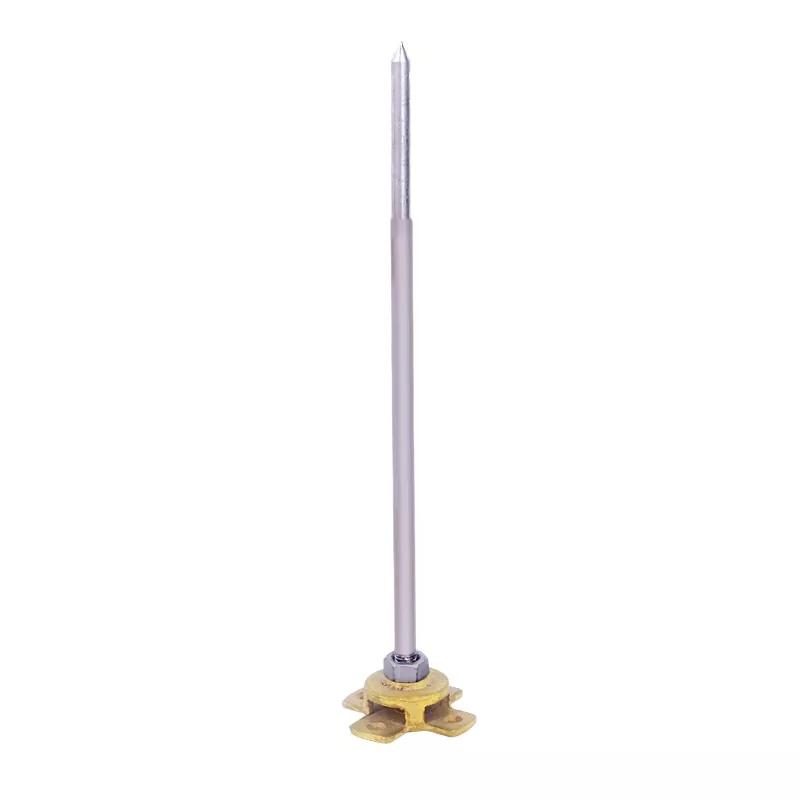
Aluminum Lightning Rod Needle Type
For temporary construction camps, residential PV systems, simple workshops, and lightweight rooftops, Saint Ni Lightning Protection provides an air-terminal solution focused on low weight, convenient handling, and efficient installation. Manufactured from solid aluminum alloy, the Aluminum Lightning Rod Needle Type reduces the manual handling burden during rooftop and high-altitude installation while supporting aluminum-compatible down-conductor systems.

Aluminum Lightning Rod Three Prong Type
Designed for large-area, lightweight lightning protection projects, the Aluminum Lightning Rod Three Prong Type from Saint Ni Lightning Protection uses a solid aluminum alloy body and 120° three-pronged structure to provide multi-directional lightning interception with lower installation weight and material cost. With ≥45 m/s wind resistance, oxidation-resistant surface, and bolt-mounted installation, it is suitable for distributed PV arrays, rural buildings, temporary construction sites, and simple inland industrial structures.
Saint Ni Lightning Protection is a professional Aluminum Lightning Rod manufacturer and supplier in China. We have an experienced sales team, professional technicians, and an after-sales service team.