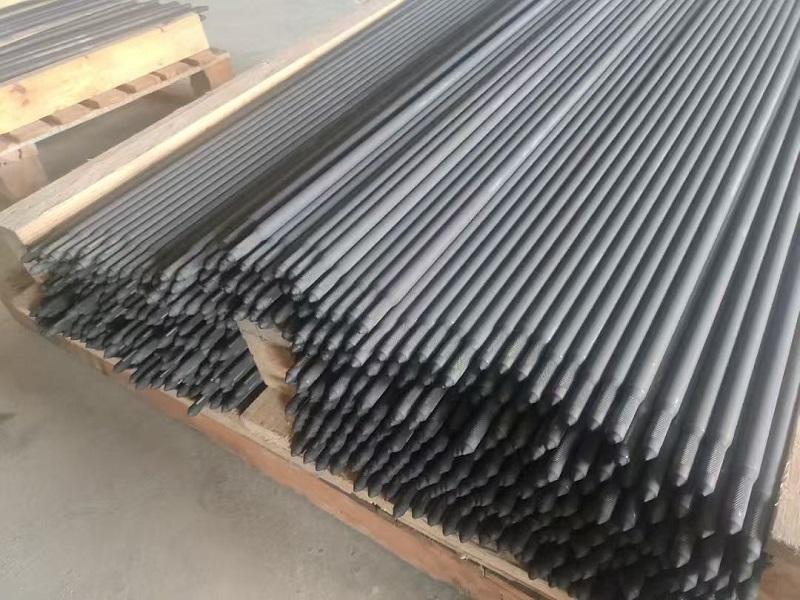
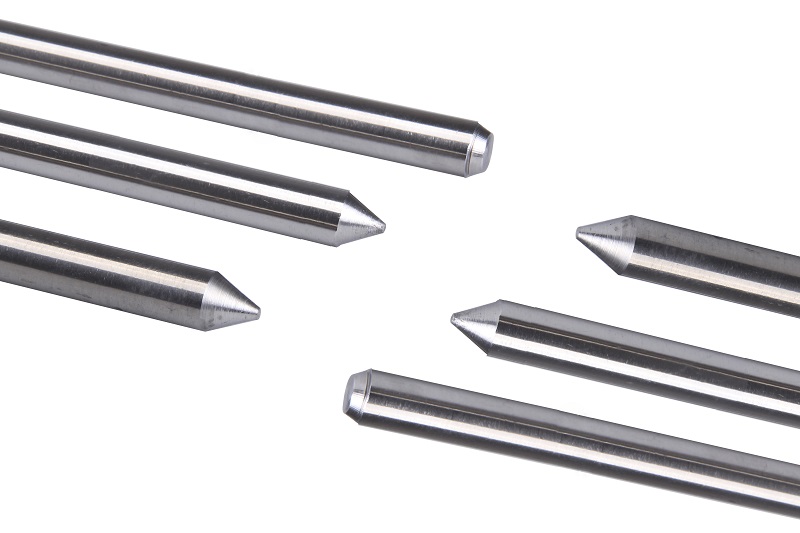
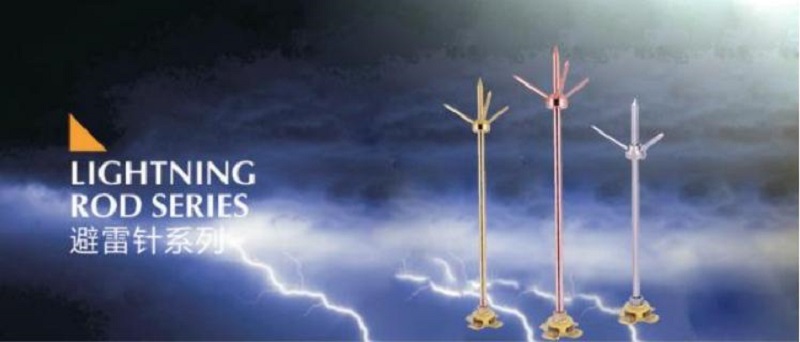
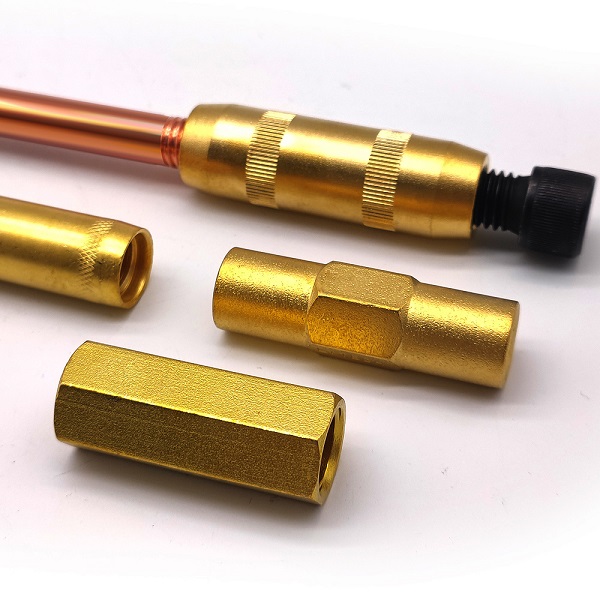
When people mention grounding rods, they often imagine a simple metal rod driven into the ground. However, this seemingly ordinary component plays a critical role in protecting infrastructure across industries such as power, telecommunications, petrochemicals, and rail transportation.
In lightning protection and grounding systems, grounding rods provide a safe path for lightning and fault currents to flow into the earth, protecting equipment and personnel from electrical hazards. Their performance depends on advanced material technology, manufacturing processes, and proper engineering design.
The Technical Principles Behind Grounding Rod Performance
The effectiveness of a grounding system is not determined only by the presence of a metal electrode. Grounding impedance plays a key role in current dissipation, especially during lightning events where currents contain a wide frequency range from low frequencies to several megahertz.
Because lightning currents behave differently from normal power-frequency currents, grounding performance cannot be fully evaluated through simple resistance measurements alone. Engineers must consider transient impedance characteristics, soil conditions, and current dissipation paths.
Optimizing Soil Contact and Current Dissipation
Modern grounding technology focuses on reducing contact resistance between the grounding electrode and soil while improving the efficiency of lightning current dispersion. Material selection, electrode structure, and installation methods all influence the overall grounding performance.
Hard Power: From Manufacturing Quality to Product Performance
The reliability of a grounding rod depends heavily on manufacturing precision and material quality. For copper-bonded steel grounding rods, the bonding strength and thickness consistency of the copper layer are key performance indicators.
Copper Layer Bonding and Manufacturing Process
If the copper coating becomes uneven or separates from the steel core, corrosion resistance and electrical conductivity may be affected. Advanced manufacturers use automated production equipment, such as gantry electroplating systems, to create uniform and durable copper coatings with strong adhesion.
Material Quality and Long-Term Stability
The purity of raw materials and corrosion resistance of the grounding electrode directly affect service life. High-quality grounding rods provide stable conductivity and reliable performance under long-term environmental exposure.
Application-Specific Grounding Solutions
There is no universal grounding rod suitable for every application. Selection should be based on soil conditions, environmental corrosion levels, and specific engineering requirements.
Standard Soil Applications
In common soil environments, copper-bonded steel grounding rods are widely used in power systems and construction projects due to their excellent conductivity, durability, and cost efficiency.
Highly Corrosive Environments
For areas with aggressive soil conditions, zinc-bonded steel grounding rods or advanced composite grounding materials can provide improved corrosion resistance and longer service life.
High-Resistivity Soil Conditions
In mountainous areas, deserts, or regions with high soil resistivity, simply increasing electrode length may not effectively reduce grounding resistance. Alternative solutions, such as electrolytic grounding electrodes and soil improvement materials, may be required to improve current dissipation performance.
Made in China Goes Global
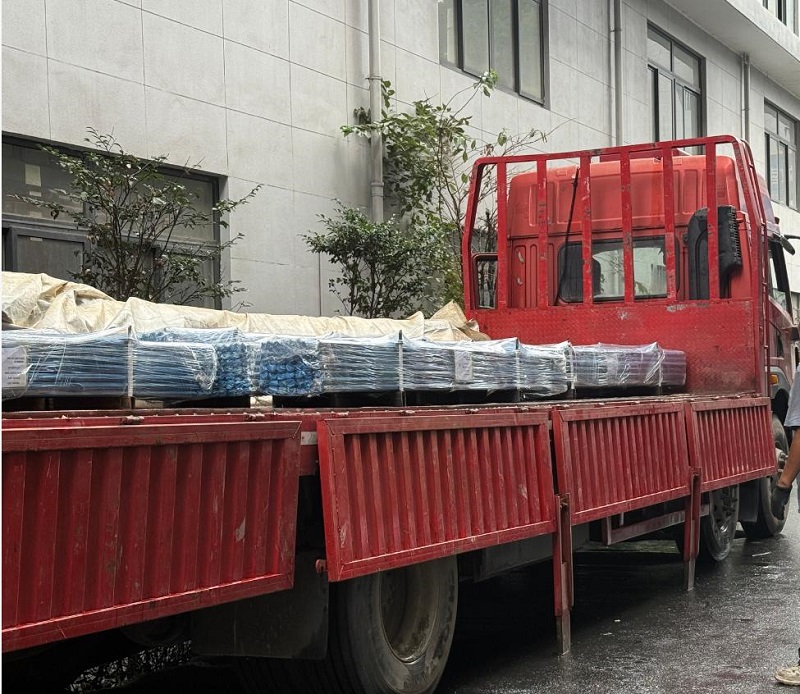
With growing global demand for electrical safety and infrastructure development, China's lightning protection and grounding industry continues to expand internationally. Advanced manufacturers with independent R&D capabilities and complete production systems are supplying grounding products for major domestic projects and overseas markets.
Chinese grounding products are now recognized worldwide for their stable performance, diverse specifications, and continuous technological innovation. For contractors and purchasers, choosing suppliers with ISO9001 quality management certification, international product certifications such as CE and RoHS, and comprehensive technical support can provide reliable assurance for long-term project safety.
We use cookies to offer you a better browsing experience, analyze site traffic and personalize content. By using this site, you agree to our use of cookies. Privacy Policy