

News
We are glad to share with you about the results of our work, company news, and give you timely developments and personnel appointment and removal conditions.
 20 2026-09
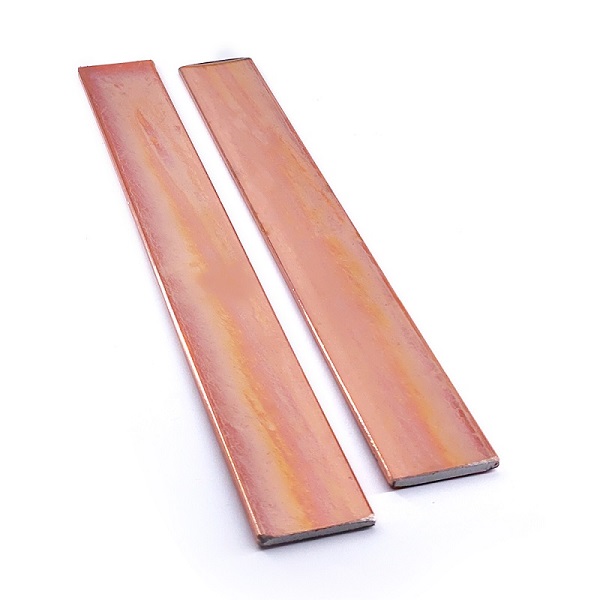
What Are Grounding Conductors? Saintni Lightning Protection Explains Their Role in Lightning Protection Systems
Saintni Lightning Protection explains the importance of grounding conductors in lightning protection grounding systems. A grounding conductor is a metal conductive component responsible for carrying lightning currents and fault currents safely into the earth.
 18 2026-09
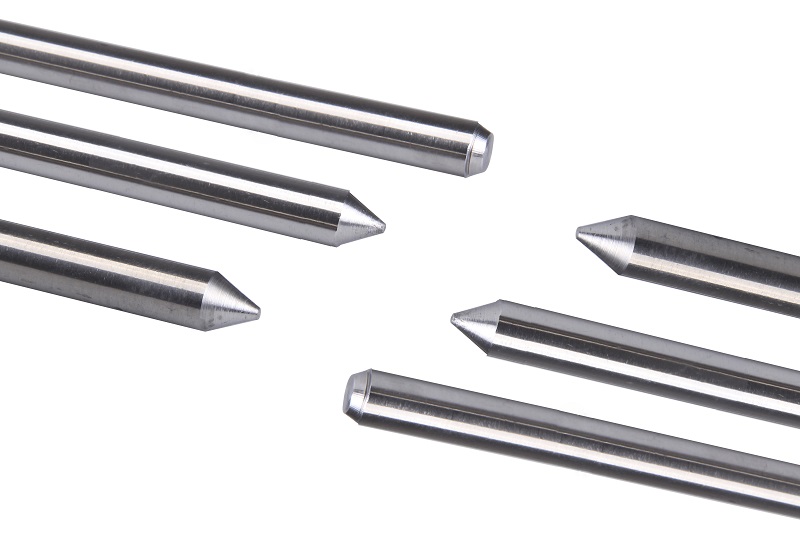
What Is a Grounding Rod? Saintni Lightning Protection Explains Grounding Rod Types and Applications
Saintni Lightning Protection introduces the basic knowledge of grounding rods, one of the most important components in lightning protection and electrical grounding systems. A grounding rod, also known as a grounding electrode, is a vertical conductive component installed underground to safely transfer lightning surge currents and equipment fault currents into the earth.
 14 2026-09
What Makes a Copper Bonded Grounding Rod Reliable for Long-Term Earthing?
A dependable grounding system is not simply about putting a metal rod into the soil. The electrode must withstand installation forces, maintain electrical continuity, resist corrosion, and remain mechanically stable over years of exposure to moisture, salts, chemicals, temperature changes, and soil movement. A Copper Bonded Grounding Rod combines a strong steel core with a copper outer layer to address these practical requirements in one grounding component.
 10 2026-09
How Is Pulsed Active Lightning Rod System Changing the Future of Lightning Protection?
With the increasing complexity of modern infrastructure, lightning protection has become a critical part of building safety, industrial security, and power system reliability. Traditional lightning rods have provided basic protection for decades, but new technologies are emerging to improve lightning interception efficiency and protection coverage.
 03 2026-08
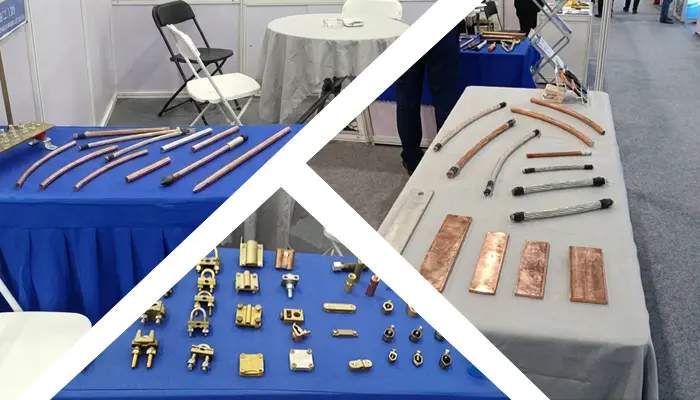
Shen Ning Lightning Protection Technology Demonstrates China's Innovation in Grounding Materials
SHAOXING, China – As global infrastructure development places increasing emphasis on safety, reliability, and long-term performance, the demand for advanced lightning protection and grounding solutions continues to grow. Zhejiang Saint Ni Lightning Protection Technology Co., Ltd. is driving innovation in grounding materials and providing high-quality solutions for customers worldwide.
 03 2026-08
What are the methods for surface coating treatment of the grounding copper bars?
Grounding copper busbars require suitable surface coating treatment to improve corrosion resistance, durability, and electrical performance. Different coating methods can be selected according to installation environments, conductivity requirements, and application conditions.