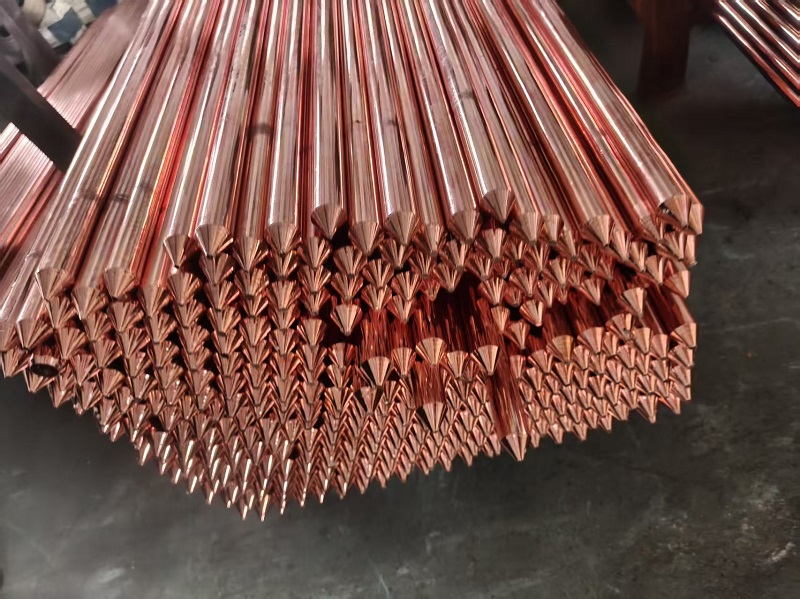
What Are Grounding Conductors? Saintni Lightning Protection Explains Their Role in Lightning Protection Systems
Saintni Lightning Protection explains the importance of grounding conductors in lightning protection grounding systems. A grounding conductor is a metal conductive component responsible for carrying lightning currents and fault currents safely into the earth.
In simple terms, a grounding conductor works as a reliable "current transmission path" between electrical equipment, buildings, grounding electrodes, and the earth. It helps divert lightning surge currents, reduce dangerous voltage differences, achieve potential equalization, and protect both equipment and personnel safety.
What Types of Grounding Conductors Are Available?
According to different installation environments and engineering requirements, grounding conductors are available in various structures and materials. The most commonly used types include flat tape conductors, solid round conductors, and stranded copper conductors.
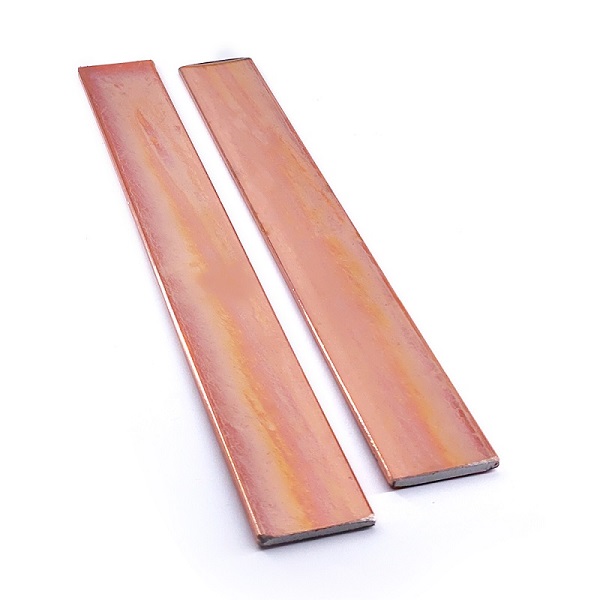
1. Flat Tape Conductor for Earthing System
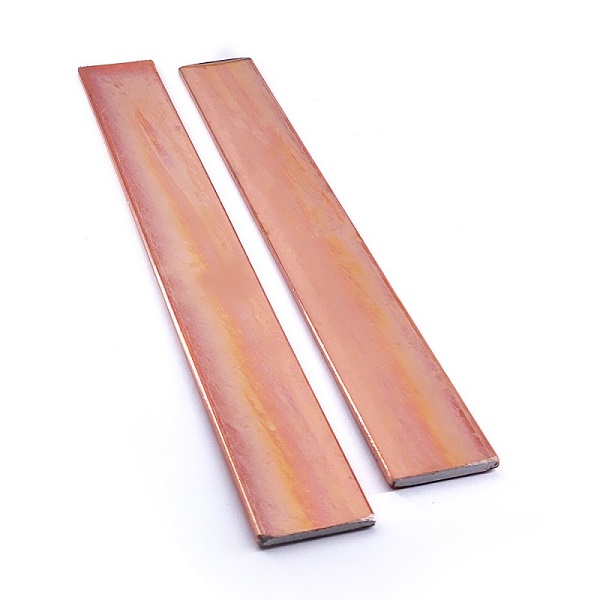
Flat tape conductors are widely used in lightning protection grounding systems due to their large contact area, stable conductivity, and convenient installation. They are commonly installed underground to connect grounding electrodes and create a reliable grounding network.
Flat tape conductors are suitable for power distribution systems, industrial facilities, buildings, substations, and large-scale grounding projects where stable current transmission is required.
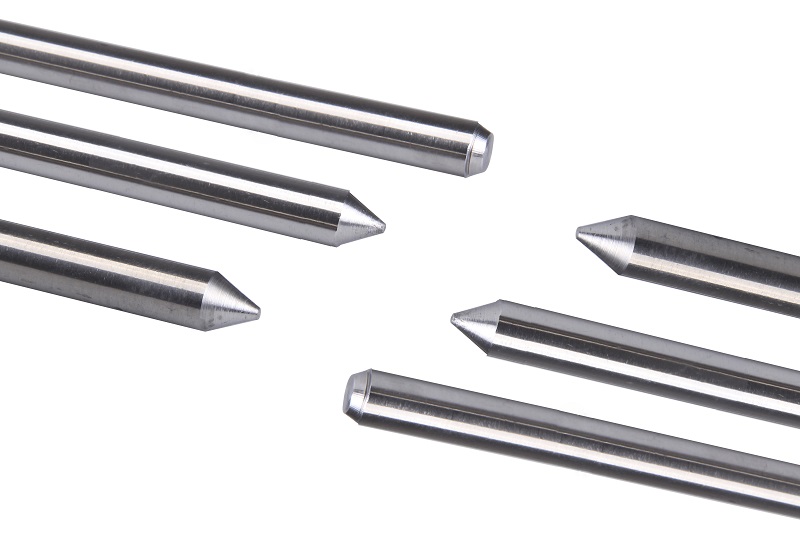
2. Solid Round Conductor
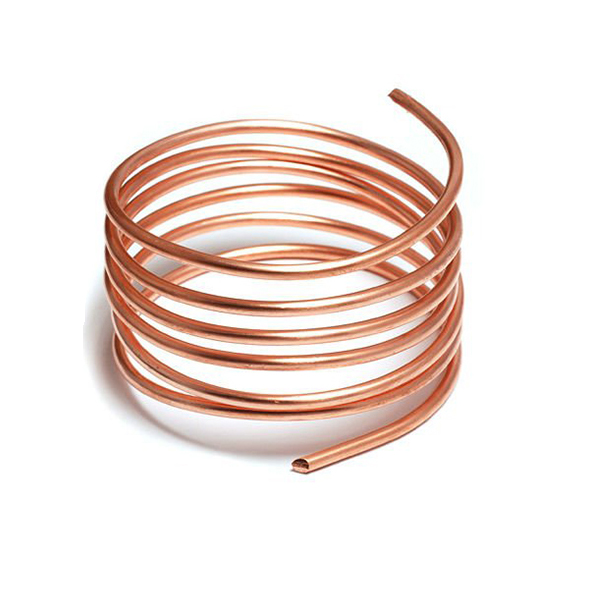
Solid round conductors feature a compact structure and consistent electrical performance. They are commonly used as down conductors and grounding connection conductors in lightning protection systems.
With excellent mechanical strength and reliable conductivity, solid round conductors provide an efficient pathway for lightning current discharge and are suitable for residential, commercial, and industrial applications.
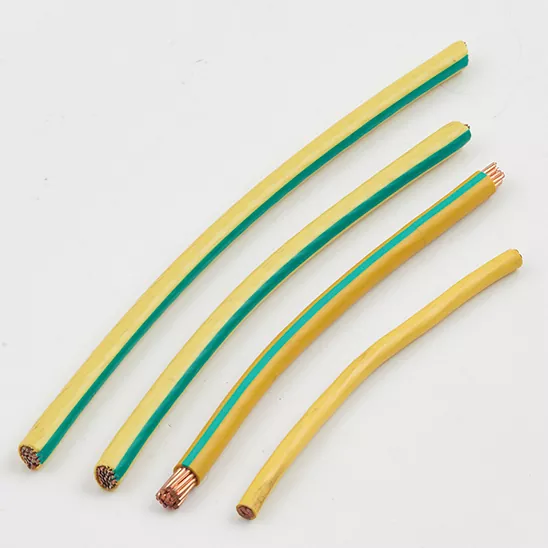
3. Stranded Copper Conductor
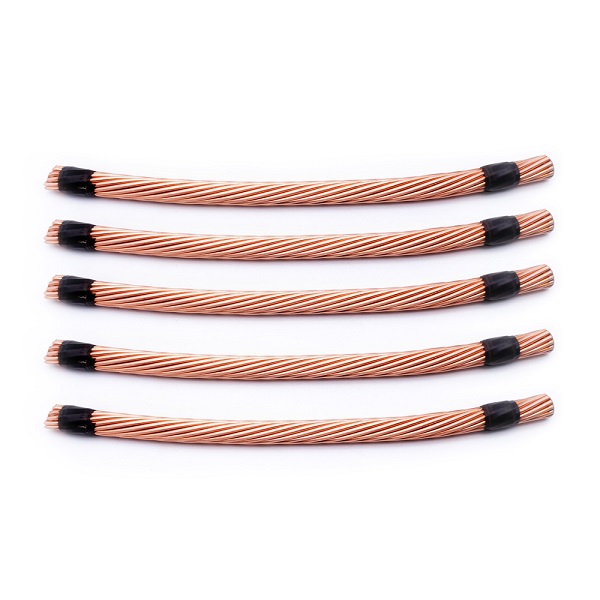
Stranded copper conductors are made from multiple copper wires twisted together, providing excellent flexibility and conductivity. They are ideal for applications requiring frequent bending, complex installation routes, or flexible grounding connections.
Due to copper's superior electrical conductivity and corrosion resistance, stranded copper conductors are widely used in electrical grounding systems, lightning protection projects, and equipment bonding applications.
What Requirements Must a Qualified Grounding Conductor Meet?
A reliable grounding conductor must meet strict requirements to ensure safe and stable performance throughout its service life.
1. Excellent Electrical Conductivity
Low electrical resistance is essential for grounding conductors. When a large lightning current passes through the conductor, good conductivity helps reduce voltage rise and ensures rapid current dissipation into the earth.
2. Strong Corrosion Resistance
Since many grounding conductors are installed underground, they are continuously exposed to soil moisture, chemicals, and changing environmental conditions. Materials such as copper, copper-clad steel, zinc-coated steel, and stainless steel help improve corrosion resistance and extend underground service life.
3. Sufficient Cross-Sectional Area
The conductor size must be selected according to the lightning protection level, fault current requirements, and engineering standards. An insufficient cross-sectional area may cause excessive heating, damage, or even conductor failure during high current events.
4. Reliable Connection Performance
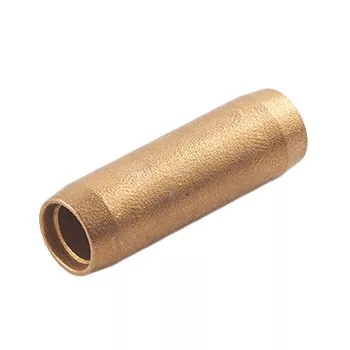
All connections between grounding conductors, grounding rods, and grounding equipment must remain secure. Professional connection methods such as exothermic welding or dedicated grounding clamps help reduce contact resistance and improve long-term system reliability.
How Are Grounding Conductors Used in Engineering Projects?
In a complete lightning protection grounding system, grounding conductors work together with grounding electrodes, grounding rods, and grounding equipment to create an effective current discharge network.
Vertical grounding electrodes are driven into the soil, while grounding conductors such as flat tape conductors, flat steel strips, and stranded copper wires connect multiple grounding electrodes together to form a grounding grid.
The grounding conductor then connects the grounding grid to the grounding busbar, electrical equipment, and lightning protection devices. When lightning strikes or electrical faults occur, the conductor provides a low-resistance pathway that safely transfers dangerous currents into the earth.
The Importance of Grounding Conductors in Lightning Protection
Without reliable grounding conductors, even high-quality grounding electrodes cannot achieve their full protection performance. The conductor acts as the essential connection between the lightning protection system and the earth, ensuring fast current transmission and effective voltage control.
Proper selection of grounding conductor type, material, size, and installation method is critical for achieving a safe and compliant grounding system.
Saintni Lightning Protection – Professional Grounding System Solutions
Saintni Lightning Protection provides professional grounding and lightning protection products for global customers. Our product range includes grounding rods, flat tape conductors, solid round conductors, stranded copper conductors, and customized grounding solutions.
With advanced manufacturing technology and strict quality control, Saintni supports power, construction, industrial, and infrastructure projects with reliable grounding components designed for long-term electrical safety.
Contact Saintni Lightning Protection for grounding conductor specifications, samples, and complete lightning protection grounding solutions.
Related News
- Why Is Flat Tape Conductor for Earthing System Widely Used in Grounding Projects?
- Why Are More Engineering Projects Choosing Graphene Coated Grounding Rods?
- Rare Earth Alloy Grounding Rod – Superior Corrosion Resistance & Stable Conductivity
- Electrolytic Grounding Rod for High-Resistivity Soil
- How Many Types of Stainless Steel Grounding Rods Are There?
- How do you choose between Zinc Coated Steel Grounding Rod, Copper Bonded Grounding Rod, and Solid Copper Grounding Rod?
Leave me a message