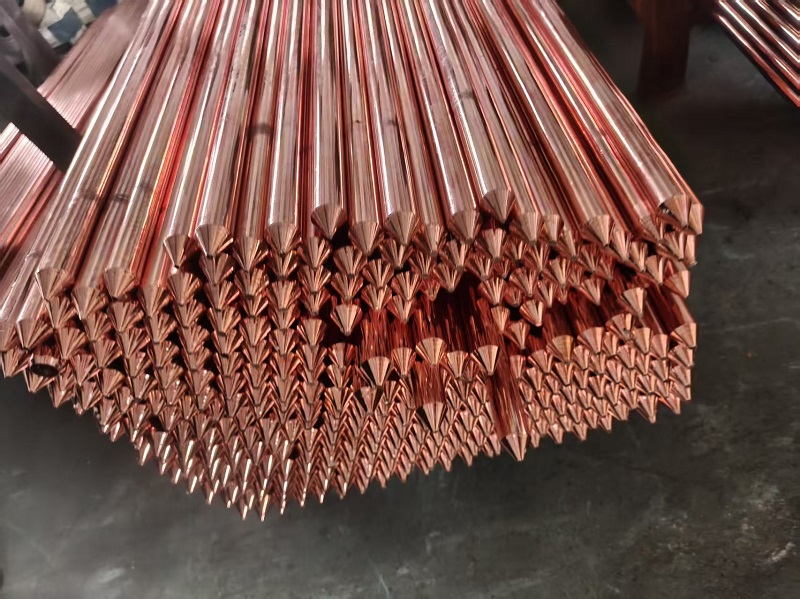
What Is a Grounding Rod? Saintni Lightning Protection Explains Grounding Rod Types and Applications
Saintni Lightning Protection introduces the basic knowledge of grounding rods, one of the most important components in lightning protection and electrical grounding systems. A grounding rod, also known as a grounding electrode, is a vertical conductive component installed underground to safely transfer lightning surge currents and equipment fault currents into the earth.
A grounding rod plays a key role in reducing grounding resistance and protecting electrical equipment and personnel safety. It is widely used in power systems, telecommunications, railways, petrochemical facilities, meteorological projects, defense applications, and construction projects.
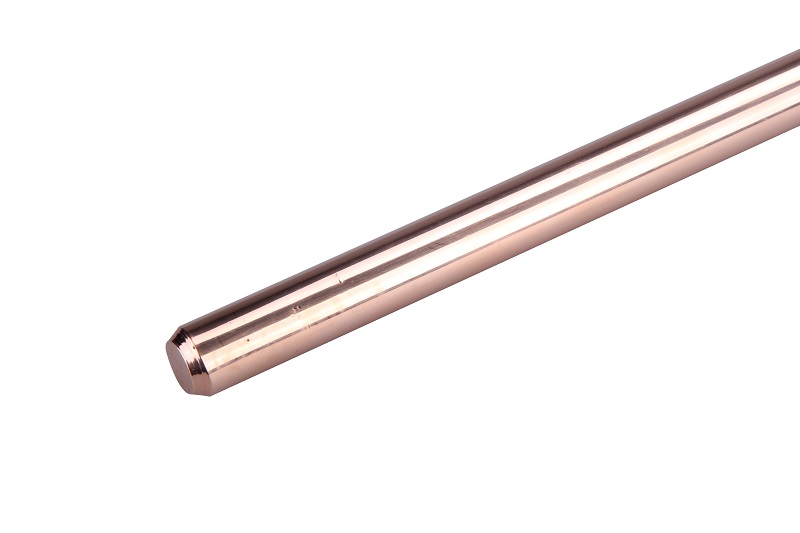
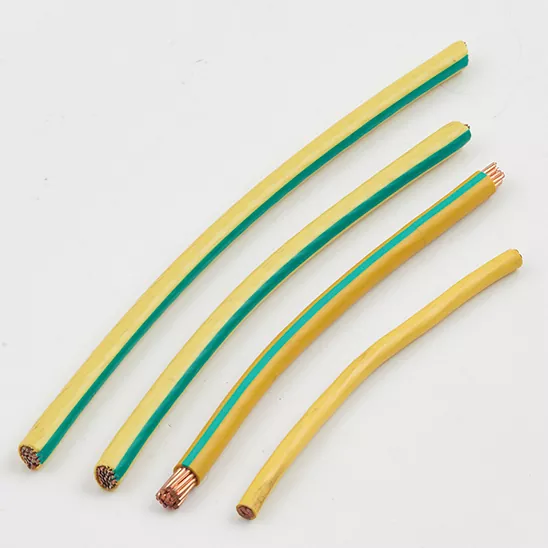
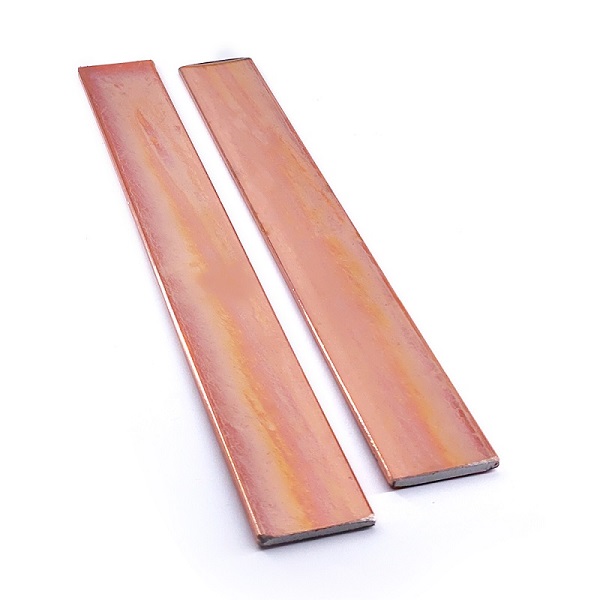
Simply speaking, a grounding rod is a "conductive stake" installed underground. During installation, the rod is driven vertically into the soil and connected to grounding wires, flat steel strips, or stranded conductors to form a complete grounding network. When lightning strikes or electrical leakage occurs, dangerous currents can quickly flow through the grounding rod into the earth, helping prevent equipment damage and electric shock risks.
What Are the Common Materials Used for Grounding Rods?
Different environments require different grounding solutions. Based on soil conditions, corrosion resistance requirements, service life expectations, and project budgets, grounding rods are available in various materials and designs.
1. Copper Bonded Grounding Rod
Copper bonded grounding rods combine the excellent electrical conductivity of copper with the mechanical strength of steel. The copper coating provides strong corrosion resistance while maintaining reliable grounding performance, making them one of the most commonly used grounding electrodes for lightning protection systems.
2. Zinc Coated Steel Grounding Rod
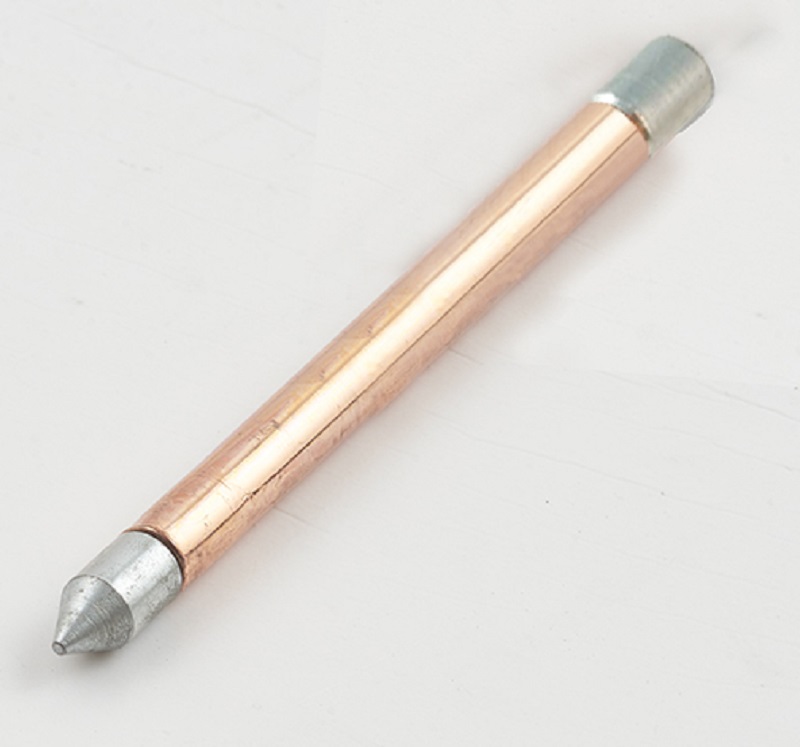
Zinc coated steel grounding rods feature a galvanized protective layer that improves corrosion resistance and extends service life. They are suitable for general grounding projects requiring a cost-effective and reliable grounding solution.
3. Solid Copper Grounding Rod
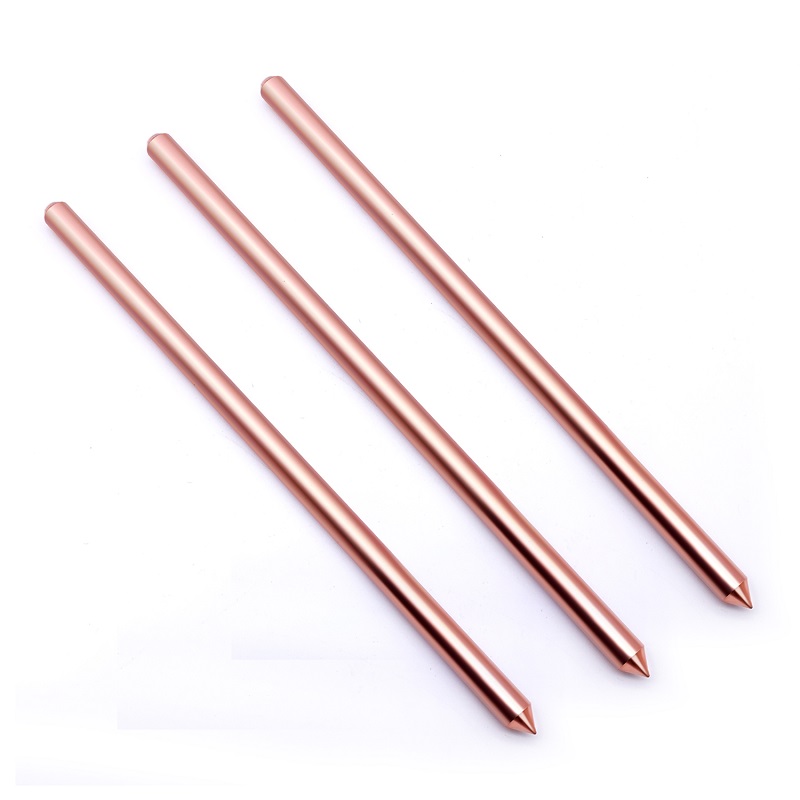
Solid copper grounding rods provide excellent electrical conductivity and long-term durability. They are commonly used in projects where high conductivity, stable grounding performance, and strong corrosion resistance are required.
4. Stainless Steel Grounding Rod
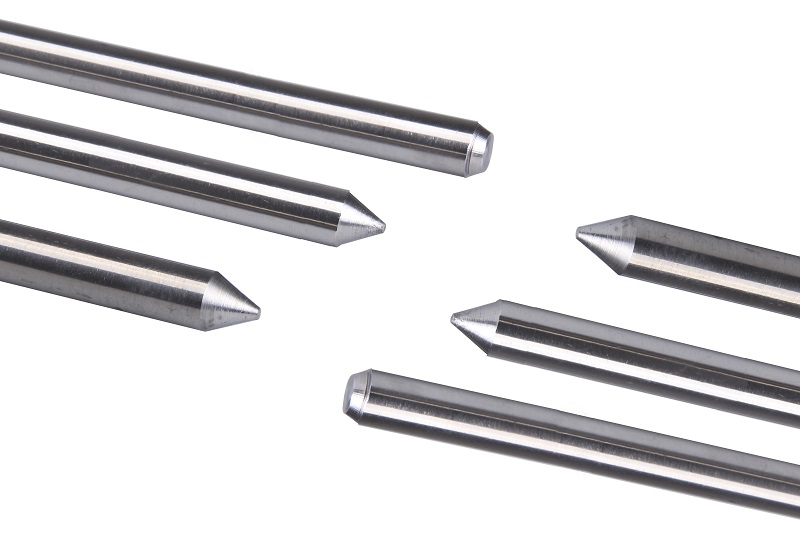
Stainless steel grounding rods offer outstanding corrosion resistance and are suitable for harsh environments, including high humidity areas, coastal regions, and locations with chemical exposure.
5. Electrolytic Grounding Rod
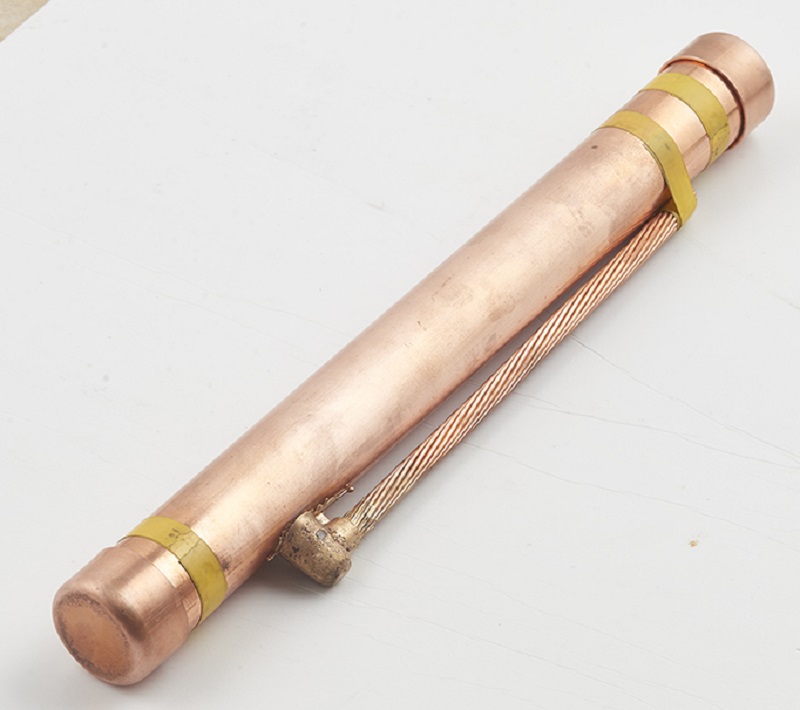
Electrolytic grounding rods are designed for improving grounding performance in challenging soil conditions. Their special structure helps maintain stable grounding resistance and provides an effective solution for areas where traditional grounding methods may be less efficient.
6. Graphene Coated Grounding Rod
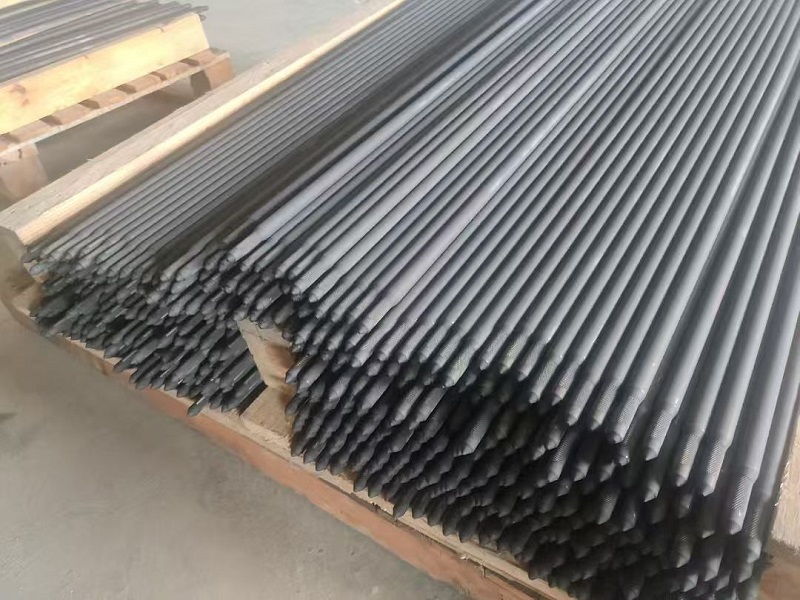
Graphene coated grounding rods utilize advanced coating technology to enhance corrosion resistance, durability, and long-term grounding reliability. They are suitable for modern lightning protection and grounding projects requiring extended service life.
7. Rare Earth Alloy Grounding Rod
Rare earth alloy grounding rods are developed for special grounding requirements and complex environments. They provide stable grounding performance and are suitable for projects with demanding electrical protection requirements.
What Are the Structures and Specifications of Grounding Rods?
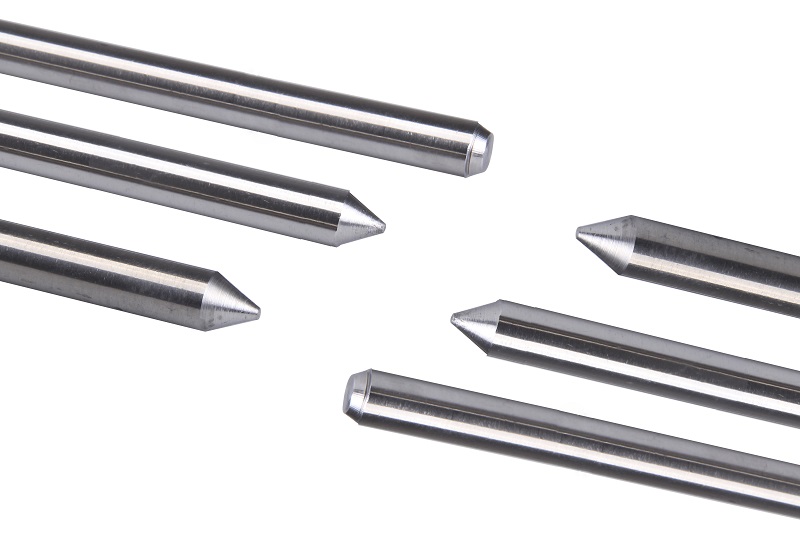
Common grounding rods usually have diameters ranging from 12.7 mm to 25 mm, with standard lengths typically between 1.2 m and 3 m. Different structures are available to meet various installation conditions.
Pointed-Flat Type Grounding Rod
The pointed-flat type grounding rod features a pointed end for easy installation into soil and a flat end for connection. It is widely used in standard grounding projects where direct installation is required.
Threaded Grounding Rod
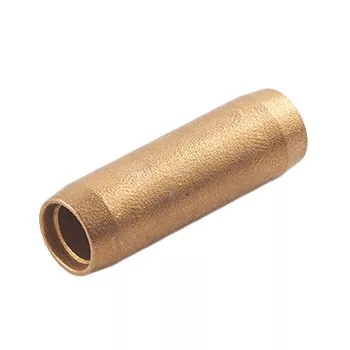
Threaded grounding rods are designed with threaded ends and can be connected using grounding rod couplers. Multiple rods can be extended together to achieve deeper grounding, making them suitable for areas with high soil resistivity.
How Do Grounding Rods Work?
When a grounding rod is vertically installed into the soil, it creates a low-resistance pathway between electrical systems and the earth. The surrounding soil absorbs and disperses electrical currents, helping maintain safe voltage levels.
Soil resistivity directly affects grounding performance. In areas with high soil resistance, multiple grounding rods, longer grounding electrodes, grounding modules, or resistance-reducing compounds may be combined to achieve the required grounding resistance.
By providing a reliable discharge path for lightning currents and fault currents, grounding rods are essential for protecting buildings, electrical equipment, communication systems, and industrial facilities.
Saintni Lightning Protection – Professional Grounding Solution Supplier
Saintni Lightning Protection specializes in providing reliable grounding products and lightning protection solutions for global customers. Our product range includes copper bonded grounding rods, zinc coated steel grounding rods, solid copper grounding rods, stainless steel grounding rods, electrolytic grounding rods, graphene coated grounding rods, and customized grounding solutions.
With professional manufacturing experience and strict quality control, Saintni Lightning Protection supports customers worldwide with high-performance grounding products designed for safety, durability, and long-term electrical protection.
Contact Saintni Lightning Protection for grounding rod specifications, product samples, and customized lightning protection solutions.
Related News
- Why Is Flat Tape Conductor for Earthing System Widely Used in Grounding Projects?
- Why Are More Engineering Projects Choosing Graphene Coated Grounding Rods?
- Rare Earth Alloy Grounding Rod – Superior Corrosion Resistance & Stable Conductivity
- Electrolytic Grounding Rod for High-Resistivity Soil
- How Many Types of Stainless Steel Grounding Rods Are There?
- How do you choose between Zinc Coated Steel Grounding Rod, Copper Bonded Grounding Rod, and Solid Copper Grounding Rod?
Leave me a message