

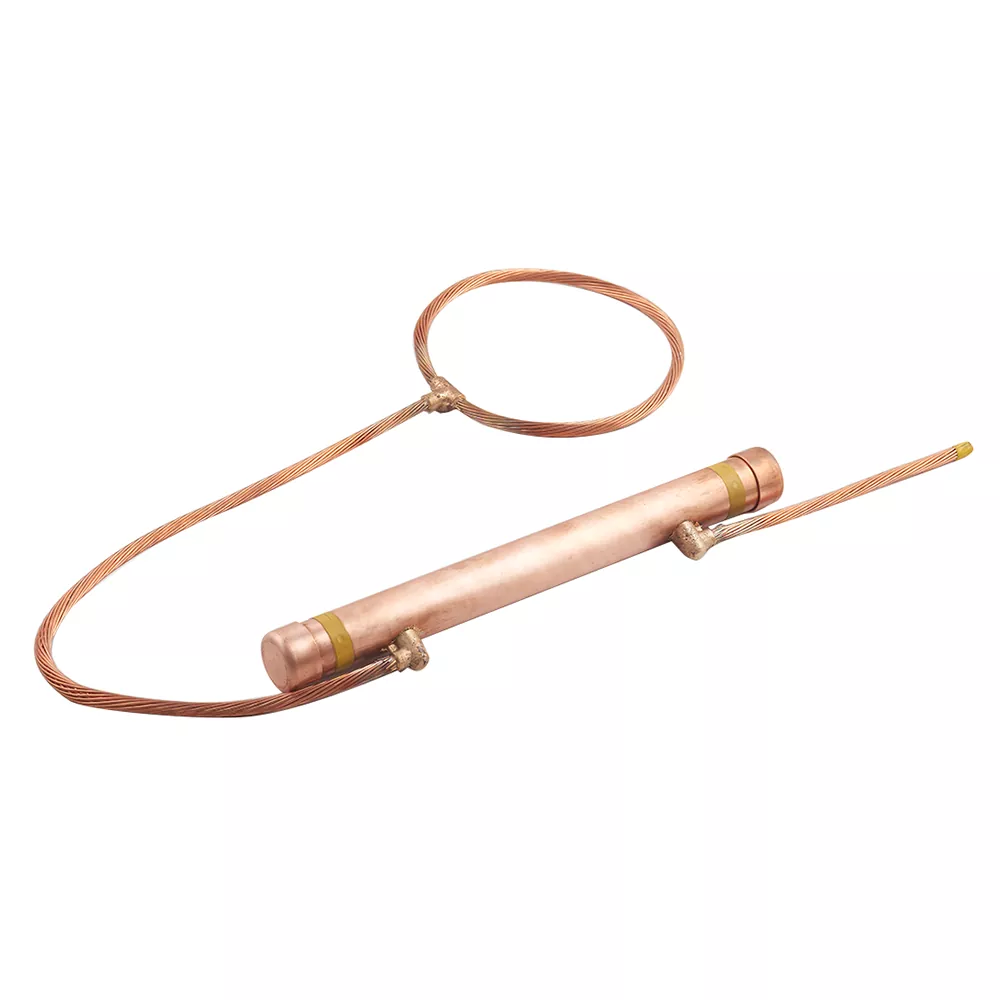
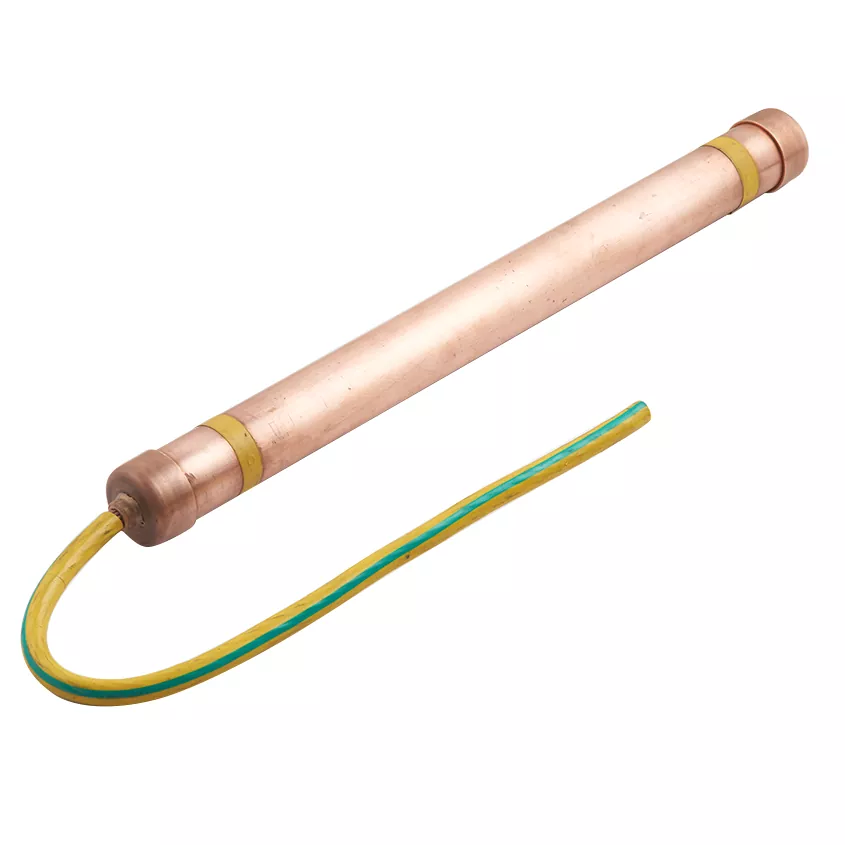
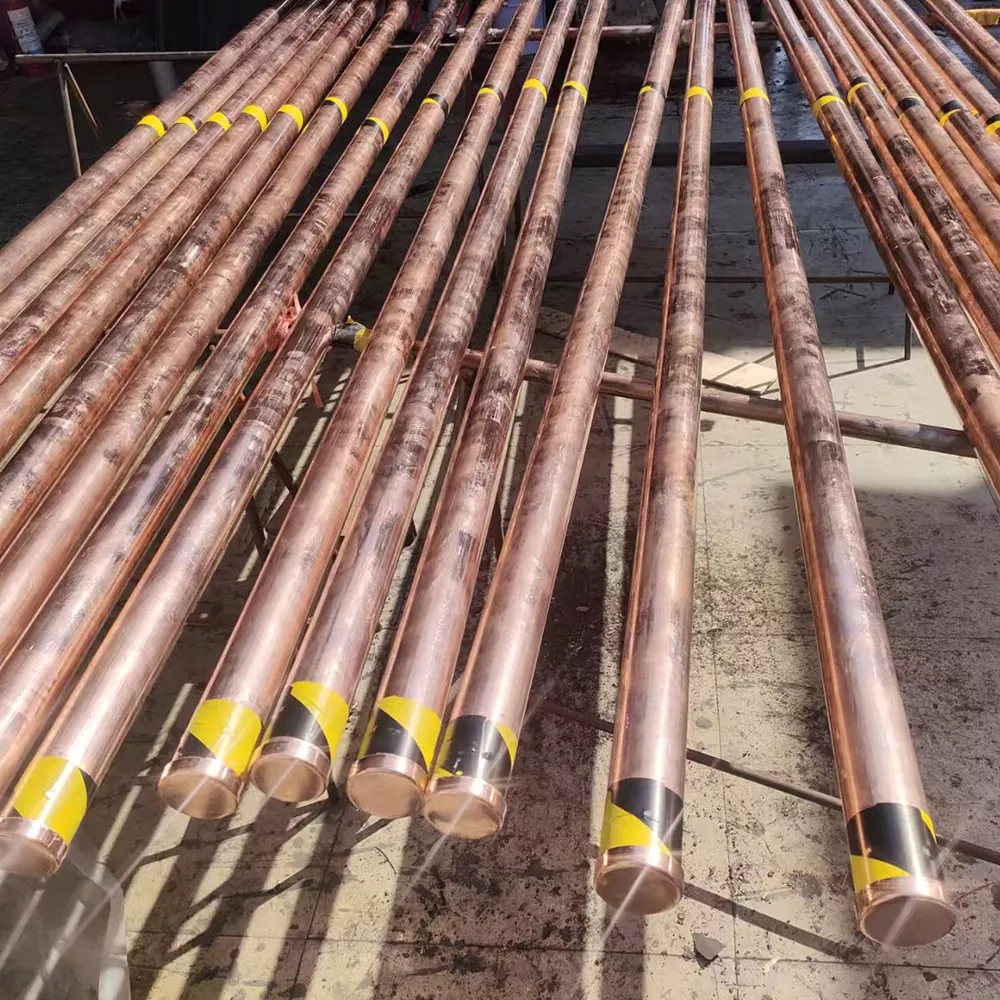
Pure Copper Electrolytic Grounding Rod
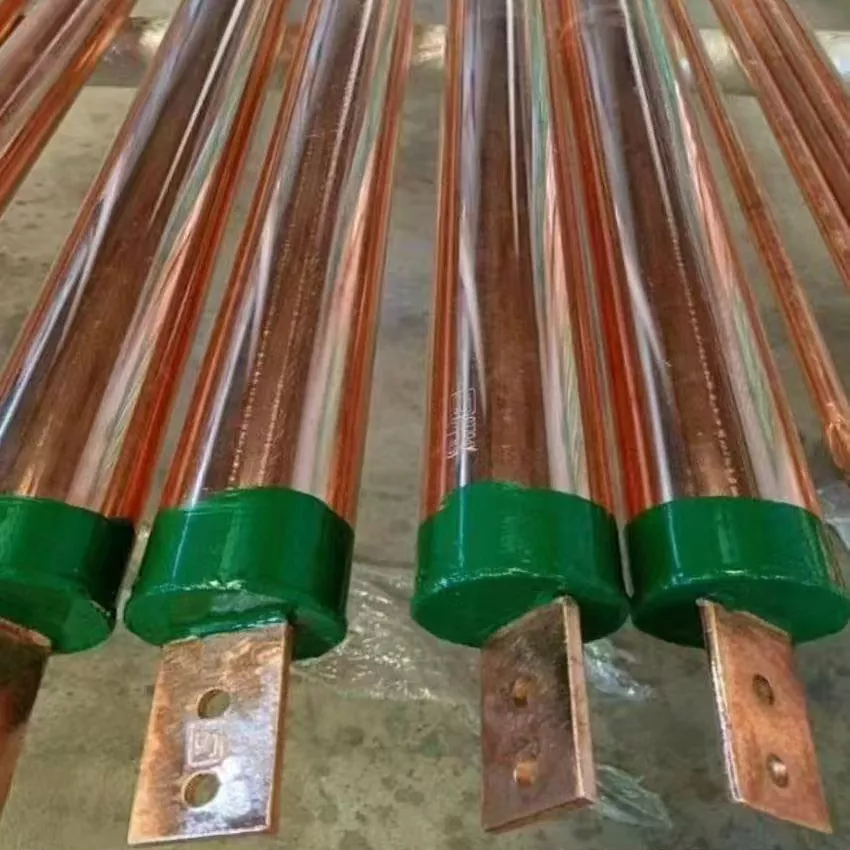
Saint Ni Lightning Protection Pure Copper Electrolytic Grounding Rod is an advanced active resistance-reduction grounding solution designed for projects facing high soil resistivity, dry climates, rocky terrain, and complex geological conditions. Unlike conventional grounding electrodes that mainly rely on direct contact between the metal surface and surrounding soil, this product improves grounding performance by actively modifying the conductivity of the surrounding soil through an electrolytic ion release system.
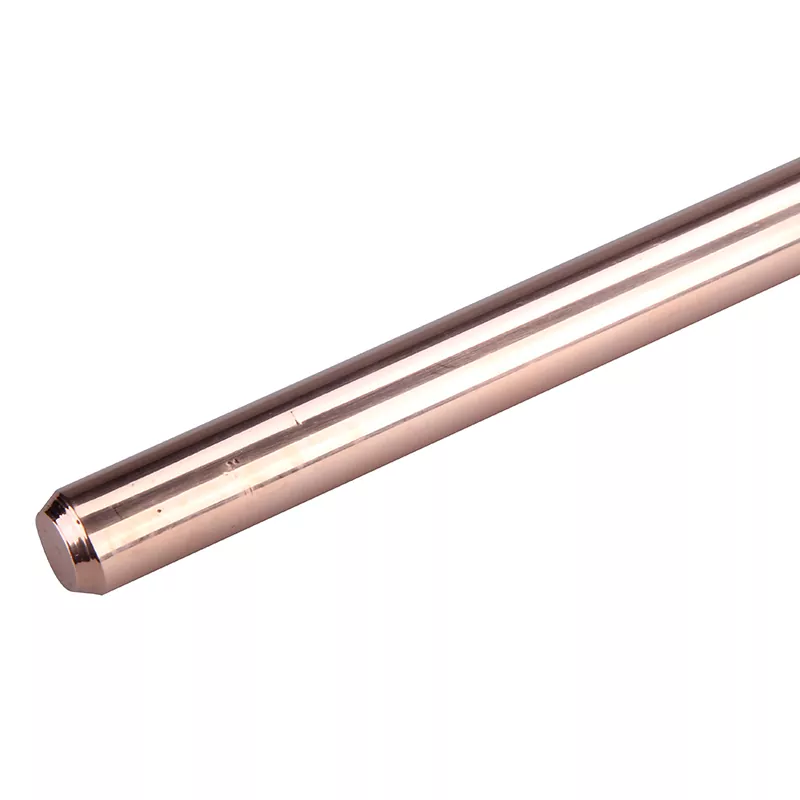
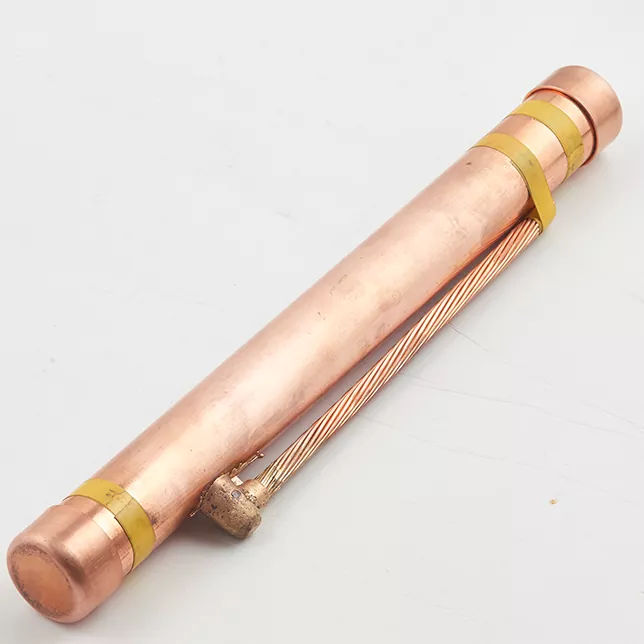
Manufactured with a pure copper conductive structure, the Pure Copper Electrolytic Grounding Rod body features evenly distributed release holes and internal ion-activating materials. When underground moisture enters the system, conductive ions are gradually released and spread into the surrounding soil, creating a continuous low-resistance conductive zone around the grounding electrode.
This technology is especially suitable for granite areas, gravel layers, desert regions, and high-resistance soil environments where traditional grounding rods require large quantities of electrodes and extensive civil construction.
How the Electrolytic Ion Resistance Reduction System Works
The core advantage of the Pure Copper Electrolytic Grounding Rod lies in its active soil improvement mechanism.
The internal electrolytic materials react with groundwater or moisture in the soil through a reversible ion exchange process. Conductive ions continuously migrate through the micro-release holes and diffuse into the surrounding soil, reducing soil resistivity and improving the electrical conductivity around the grounding electrode.
Unlike traditional grounding methods that only increase electrode quantity or installation depth, this system expands the effective grounding area by improving the surrounding geological environment.
During dry seasons, the internal materials retain underground moisture and continue releasing conductive ions. During rainy seasons, the ion system helps maintain stable conductivity and reduces excessive ion loss. As a result, grounding resistance remains more stable throughout seasonal climate changes.
Product Advantages
Efficient Resistance Reduction in High-Resistivity Geological Conditions
In areas such as granite formations, gravel soil, Gobi deserts, and dry inland regions, conventional grounding electrodes often struggle to achieve target resistance values due to poor soil conductivity.
The Pure Copper Electrolytic Grounding Rod improves the surrounding soil conductivity through ion diffusion, allowing a single electrode to achieve a wider resistance-reduction effect. This helps reduce the number of drilling points, grounding electrodes, and construction labor required for large-scale projects.
Lower Installation Cost for Large Infrastructure Projects
Traditional high-resistance grounding projects often require additional grounding grids, deeper drilling, or large amounts of soil replacement materials.
By actively improving the conductivity of the surrounding soil, this product helps optimize the overall grounding system design. It is especially beneficial for photovoltaic power plants, substations, and communication infrastructure where reducing construction complexity and long-term project costs is critical.
Stable Grounding Performance Under Seasonal Climate Changes
Soil moisture fluctuations can significantly affect conventional grounding systems.
The electrolytic ion release structure reduces dependence on natural soil moisture conditions, helping maintain stable grounding performance in areas with seasonal drought, temperature changes, or unstable rainfall patterns.
This makes the product suitable for regions with dry seasons, mountainous terrain, and remote outdoor installations.
Excellent Electrical Conductivity with Pure Copper Material
The product uses high-purity copper as the main conductive material, providing excellent electrical conductivity and reliable current transmission performance.
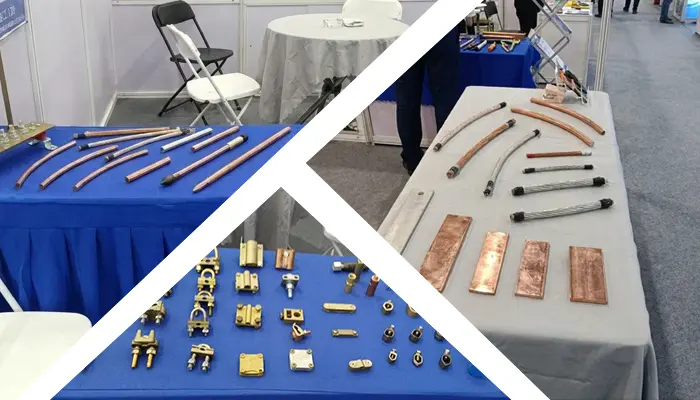
It is widely used for lightning current discharge, electrical safety grounding, and anti-static grounding systems. Complete grounding solutions can be supplied together with copper connectors, grounding clamps, and matching accessories.


Typical Applications
The Pure Copper Electrolytic Grounding Rod is mainly designed for projects requiring effective resistance reduction in high-resistivity soil environments. It is widely applied in:
Solar Power Plants
Mountain photovoltaic projects, desert solar farms, and large-scale renewable energy facilities located in areas with poor soil conductivity.
Power Infrastructure
10kV, 35kV, and 110kV substations, switching stations, and distribution facilities requiring stable grounding performance.
Communication Facilities
Outdoor communication towers, base stations, and remote monitoring systems where reliable grounding is required.
Commercial Buildings
Lightning protection grounding for schools, hospitals, office buildings, commercial complexes, and public facilities.
Industrial Facilities
Equipment grounding and static protection systems in conventional industrial plants without severe chemical corrosion.

How to Select the Right Grounding Solution for Different Projects
Choosing the correct grounding product requires consideration of multiple factors, including soil resistivity, geological structure, corrosion conditions, required grounding resistance, installation depth, and long-term maintenance cost.
For normal soil conditions with good conductivity, conventional grounding electrodes may satisfy basic requirements.
However, in granite, gravel, desert, and dry high-resistance environments, simply increasing the number of grounding rods can significantly increase construction costs.
In these situations, electrolytic ion grounding technology provides a more efficient solution by improving the conductivity of the surrounding soil and expanding the effective grounding range.
For highly corrosive environments such as seawater areas, chemical plants, or strong acid and alkaline conditions, Saint Ni Lightning Protection recommends selecting stainless steel grounding solutions according to the actual application environment.
Saint Ni Lightning Protection provides professional grounding system recommendations based on project conditions, soil testing data, and engineering requirements.
Standard Installation Process
Drilling and Positioning
A vertical hole is drilled according to the grounding rod length. Normally, the hole depth is designed at 2.0–3.5 meters, approximately 50cm deeper than the grounding electrode length, with the diameter adjusted according to engineering requirements.
Preparation of Ion-Activating Filler
The supplied resistance-reduction filler is mixed with water until it reaches a uniform paste condition, then injected into the bottom of the hole to establish the initial conductive environment.
Grounding Rod Installation
The grounding electrode is vertically installed into the drilled hole, ensuring sufficient contact between the rod surface and surrounding filler materials. The grounding conductor is then connected according to the project design.
Backfilling and Compaction
Additional filler materials are added around the grounding electrode. The remaining space is backfilled with fine soil and compacted layer by layer to complete the installation.
Real Project Case
320MW Mountainous Solar Power Plant in Thailand
Project Background
Located in Thailand's mountainous region, this 320MW solar power plant faced challenges caused by granite and gravel soil with high resistivity of 1,600–2,300 Ω·m. The project required the grounding system resistance to remain below 4Ω according to IEC 62305 and Thai PEA standards.
After soil analysis and long-term performance evaluation, the EPC contractor selected Saint Ni Lightning Protection Pure Copper Electrolytic Grounding Rod with ion-activating filler materials to improve grounding performance in the high-resistance geological environment.
Project Solution
The project adopted deep vertical installation with electrolytic ion grounding technology. The ion-activating filler helped expand the conductive area around the grounding electrode and improve soil conductivity.
The complete grounding system was integrated with copper conductors and accessories, while regular four-pole resistance testing was carried out to ensure long-term stability.
Application Results
After three years of operation, inspections showed no significant corrosion damage, and the electrolytic system maintained stable ion release performance.
The grounding resistance fluctuation remained within 0.15Ω, equipment failures caused by lightning and static electricity were significantly reduced, and the overall grounding construction cost was approximately 35% lower than copper-clad steel solutions.
The project successfully passed Thai PEA acceptance inspection and became a reference application for high-resistance photovoltaic grounding systems in Southeast Asia.
Why Choose Saint Ni Lightning Protection?
Saint Ni Lightning Protection specializes in the research, development, and manufacturing of lightning protection and grounding system materials.
With standardized production facilities, advanced manufacturing equipment, and strict quality control procedures, Saint Ni Lightning Protection ensures consistent product performance for global engineering projects.
The company has obtained:
· GB/T19001-2016 / ISO9001:2015 Quality Management System Certification
· GB/T24001-2016 / ISO14001:2015 Environmental Management System Certification
Saint Ni Lightning Protection provides customized grounding solutions for photovoltaic power plants, electrical infrastructure, communication systems, and industrial projects.
Standard products are available for stable supply, while customized specifications, lengths, accessories, and complete grounding system solutions can be provided according to project requirements.
FAQ
Q1: What type of soil is suitable for this product?
The product is mainly designed for high-resistivity soil conditions, including granite, gravel, desert, dry soil, and areas where conventional grounding electrodes cannot easily achieve required resistance values.
Q2: How is this product different from conventional grounding rods?
Conventional grounding rods mainly rely on the contact area between the metal surface and soil. This product actively improves soil conductivity through electrolytic ion diffusion, creating a larger low-resistance zone around the grounding electrode.
Q3: Is it suitable for coastal or chemical environments?
Pure copper electrolytic grounding products are not recommended for severe corrosion environments involving seawater, strong acids, or strong alkalis.
For highly corrosive applications, Saint Ni Lightning Protection recommends stainless steel grounding solutions such as 304 or 316L stainless steel grounding rods.
Q4: Can Saint Ni Lightning Protection provide customized grounding solutions?
Yes. Saint Ni Lightning Protection can customize grounding rod dimensions, connection methods, accessories, and complete grounding system solutions based on soil conditions, project requirements, and installation environments.
Hot Tags: Pure Copper Electrolytic Grounding Rod, Pure Copper Grounding Rod Manufacturer, Electrolytic Copper Earth Rod Supplier
Send Inquiry
Contact Info
-
Address
Woxi Avenue, Chengtan Street, Xinchang County, Shaoxing City, Zhejiang Province, China
-
Tel
-
E-mail
Get a Tailored Quote for Your Lightning Protection Project
Whether you need standard grounding rods, custom-engineered materials, or a complete system solution for a large-scale infrastructure project, Saint Ni is here to help. As a direct manufacturer with our own factory in China, we provide competitive pricing, fast response, and expert technical support.
Complete the form below and our engineering team will respond within 24 hours with a customized recommendation — including product specifications, certifications, and shipping options tailored to your region.