Why Is Flat Tape Conductor for Earthing System Widely Used in Grounding Projects?
Reliable grounding is essential for protecting electrical installations, buildings, industrial facilities, and power infrastructure against lightning strikes and electrical faults. Among the various grounding materials available, Flat Tape Conductor for Earthing System is widely selected for its large contact surface, flexible installation options, dependable electrical connections, and versatile material choices.
As an important conductive component in grounding and lightning protection systems, grounding flat tape is available in several materials, including galvanized flat steel, copper flat tape, copper-bonded steel flat tape, and stainless steel flat tape. It is commonly used as a horizontal grounding electrode, a down-conductor connection, and a bonding conductor for connecting grounding rods and equipment grounding terminals. These components work together to form an integrated grounding network that safely dissipates lightning currents and electrical fault currents into the earth.
So, why do electrical contractors and engineering professionals frequently choose flat tape conductors for grounding installations? The following advantages explain their popularity across different grounding applications.
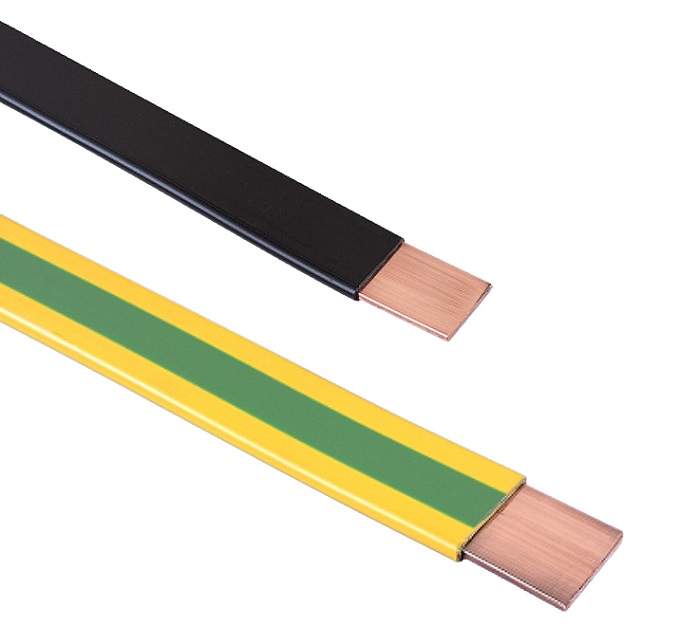
1. Larger Contact Surface for Effective Current Dissipation
Compared with round steel conductors of an equivalent cross-sectional area, the flat profile of a grounding tape generally provides a larger external surface area. This design allows more contact between the conductor and the surrounding soil when installed horizontally underground.
A properly designed and installed grounding system helps distribute lightning and fault currents into the surrounding earth. The relatively wide contact surface of Flat Tape Conductor for Earthing System makes it a practical choice for horizontal grounding electrodes and interconnected grounding grids, where soil conditions, conductor dimensions, and installation depth all influence overall grounding performance.
2. Flexible Installation for Different Construction Conditions
Grounding projects often involve different site layouts, underground structures, equipment configurations, and installation restrictions. Flat tape conductors offer practical installation flexibility to accommodate these conditions.
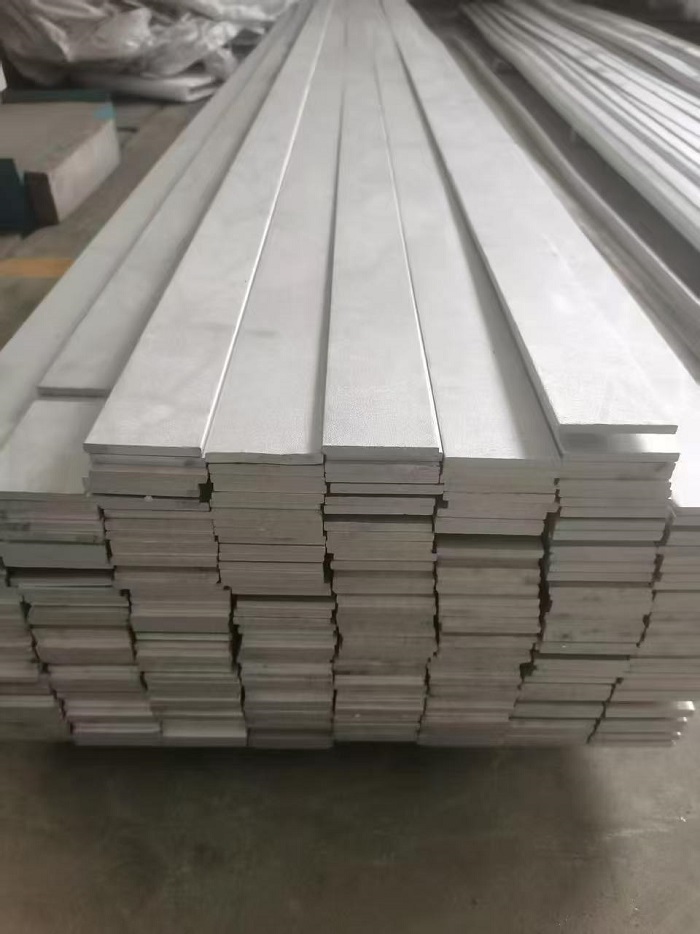
Rigid galvanized flat steel can be cut, positioned, and welded according to project requirements, making it suitable for outdoor buried grounding networks. Flexible copper flat tape, on the other hand, can be bent and routed around equipment cabinets, machinery, wall corners, and other irregular structures.
This adaptability makes Flat Tape Conductor for Earthing System suitable for a wide range of installation environments, from large outdoor grounding grids to confined electrical rooms and industrial equipment areas.
3. Reliable Electrical Connections and Mechanical Bonding
Electrical continuity is a critical requirement in any grounding network. Poor connections can increase contact resistance and create potential failure points within the grounding path.
The flat shape provides a convenient contact surface for overlapping connections, welding, and compatible grounding clamps or connectors. When properly installed using suitable connection methods and corrosion protection measures, flat tape connections can provide stable electrical continuity and reliable mechanical bonding.
For contractors, the availability of established connection methods also helps simplify on-site assembly, inspection, and maintenance. This is one of the practical reasons why Flat Tape Conductor for Earthing System remains a common choice in commercial, industrial, and infrastructure grounding projects.
4. Multiple Material Options and Sizes for Engineering Requirements
Different grounding projects have different requirements for electrical conductivity, corrosion resistance, mechanical strength, service life, and installation conditions. Grounding flat tape is available in several material options to meet these application needs.
- Galvanized Flat Steel: A practical option for outdoor grounding grids and general electrical grounding installations, offering mechanical strength and a protective zinc coating.
- Copper Flat Tape: Provides high electrical conductivity and is commonly used in electrical rooms, industrial facilities, and equipment bonding applications.
- Copper-Bonded Steel Flat Tape: Combines a steel core with a copper layer to provide mechanical strength and conductive performance.
- Stainless Steel Flat Tape: Suitable for selected environments where corrosion resistance is an important consideration.
Various widths and thicknesses are available to accommodate different engineering designs. From building lightning protection systems to photovoltaic power plants, substations, and telecommunications base stations, engineers can select suitable conductor dimensions and materials according to the required fault-current capacity, grounding design, and applicable standards.
Where Are Grounding Flat Tape Conductors Used?
Due to their versatile structure and material options, flat tape conductors are commonly incorporated into various electrical grounding and lightning protection applications, including:
- Building lightning protection and grounding networks
- Industrial plant grounding systems
- Power distribution stations and electrical substations
- Solar power plants and photovoltaic installations
- Telecommunication towers and base stations
- Equipment grounding and electrical bonding connections
- Horizontal grounding electrodes and interconnected grounding grids
For each project, the appropriate conductor material, cross-sectional dimensions, connection method, and installation arrangement should be determined based on engineering calculations, soil conditions, corrosion exposure, and relevant electrical safety requirements.
Choosing the Right Flat Tape for Your Grounding Project
Selecting a suitable grounding conductor involves more than simply choosing a material or size. Project engineers and procurement teams should consider several important factors:
- Electrical Requirements: Confirm the required cross-sectional area and current-carrying capacity based on the grounding design.
- Soil and Environmental Conditions: Evaluate soil resistivity, moisture, chemical exposure, and corrosion risks.
- Installation Method: Determine whether the project requires underground horizontal installation, equipment bonding, welding, or mechanical connections.
- Material Compatibility: Consider galvanic corrosion risks when connecting different metals.
- Applicable Standards: Ensure that the selected products and installation methods comply with local electrical and lightning protection regulations.
Conclusion: A Practical Conductor for Modern Grounding Systems
The widespread use of Flat Tape Conductor for Earthing System in grounding engineering is supported by several practical advantages: a broad contact surface, adaptable installation, convenient connection methods, and multiple material and size options.
Whether used in building lightning protection, industrial electrical installations, solar power facilities, or substation grounding networks, grounding flat tape provides a versatile solution for constructing horizontal grounding electrodes and connecting different parts of an earthing system.
Choosing the right flat tape conductor according to project specifications, environmental conditions, and applicable standards helps engineering contractors build grounding networks with reliable electrical continuity, long-term durability, and dependable protection performance.
Related News
- Why Are More Engineering Projects Choosing Graphene Coated Grounding Rods?
- Rare Earth Alloy Grounding Rod – Superior Corrosion Resistance & Stable Conductivity
- Electrolytic Grounding Rod for High-Resistivity Soil
- How Many Types of Stainless Steel Grounding Rods Are There?
- How do you choose between Zinc Coated Steel Grounding Rod, Copper Bonded Grounding Rod, and Solid Copper Grounding Rod?
- Copper Grounding Rod Solid Copper Type: Advantages and Disadvantages
Leave me a message