In What Kinds of Environments Are Zinc Coated Steel Grounding Rods Typically Used?
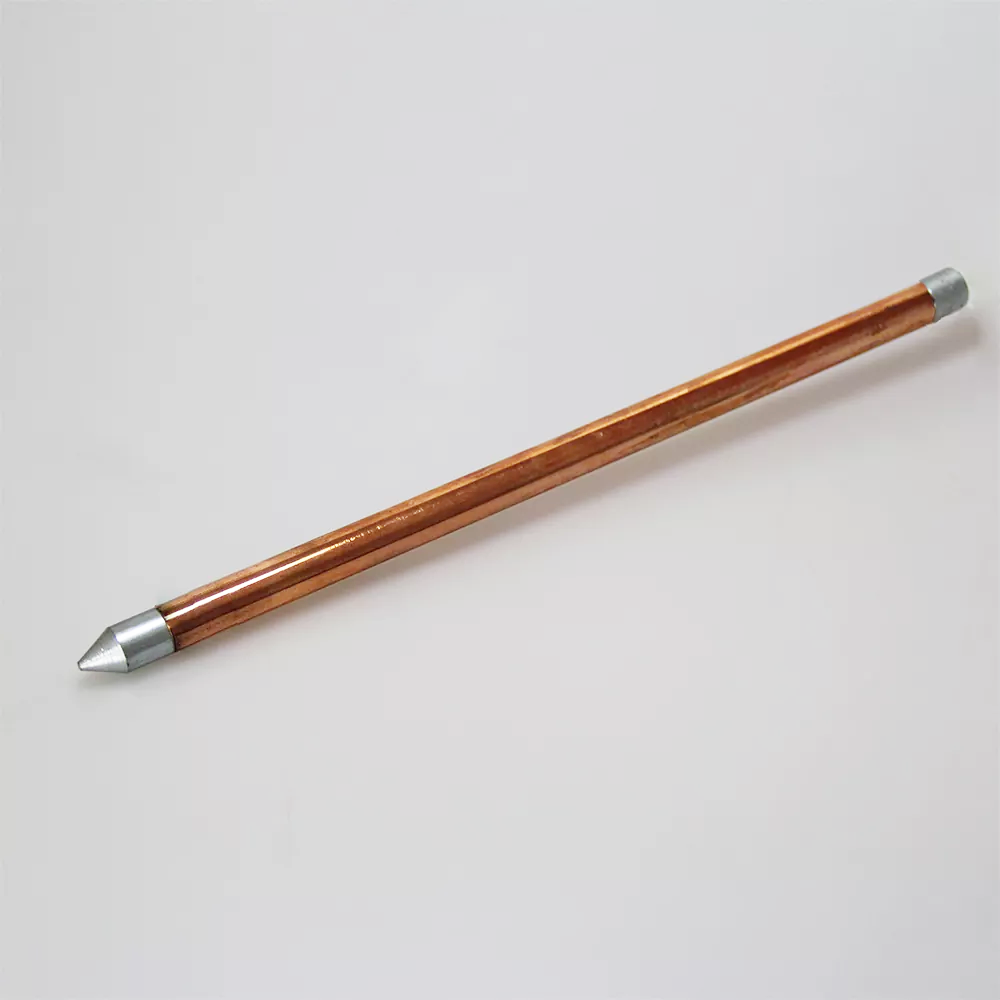
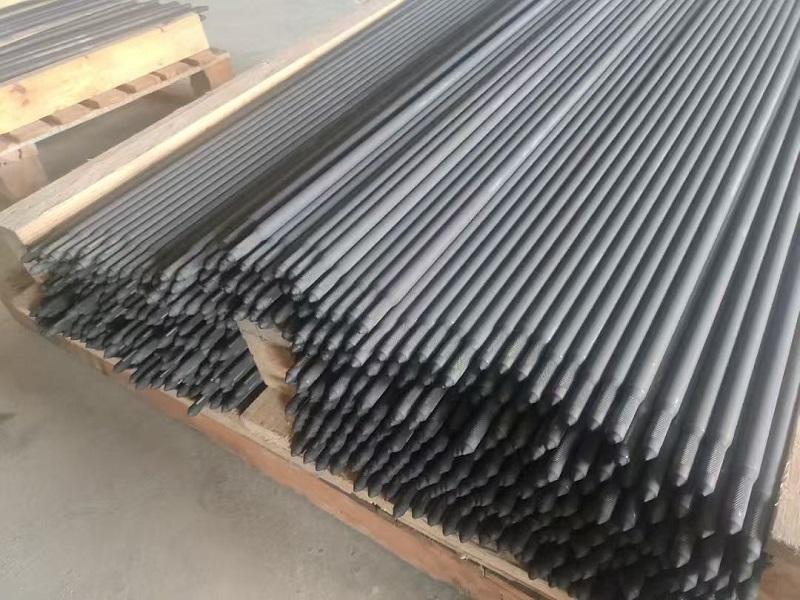
Zinc Coated Steel Grounding Rods are an economical grounding electrode solution commonly used in areas where soil corrosion is relatively low. Their galvanized zinc coating provides basic corrosion protection while the steel core offers good mechanical strength for driving and installation.
For projects located in highly corrosive environments, such as soils with high chloride or salt content, strong acidity or alkalinity, industrial contamination, or persistent moisture, zinc-coated steel grounding rods may experience faster coating degradation and a shorter service life. In these conditions, a more corrosion-resistant grounding electrode or additional corrosion protection should be considered based on the project requirements.
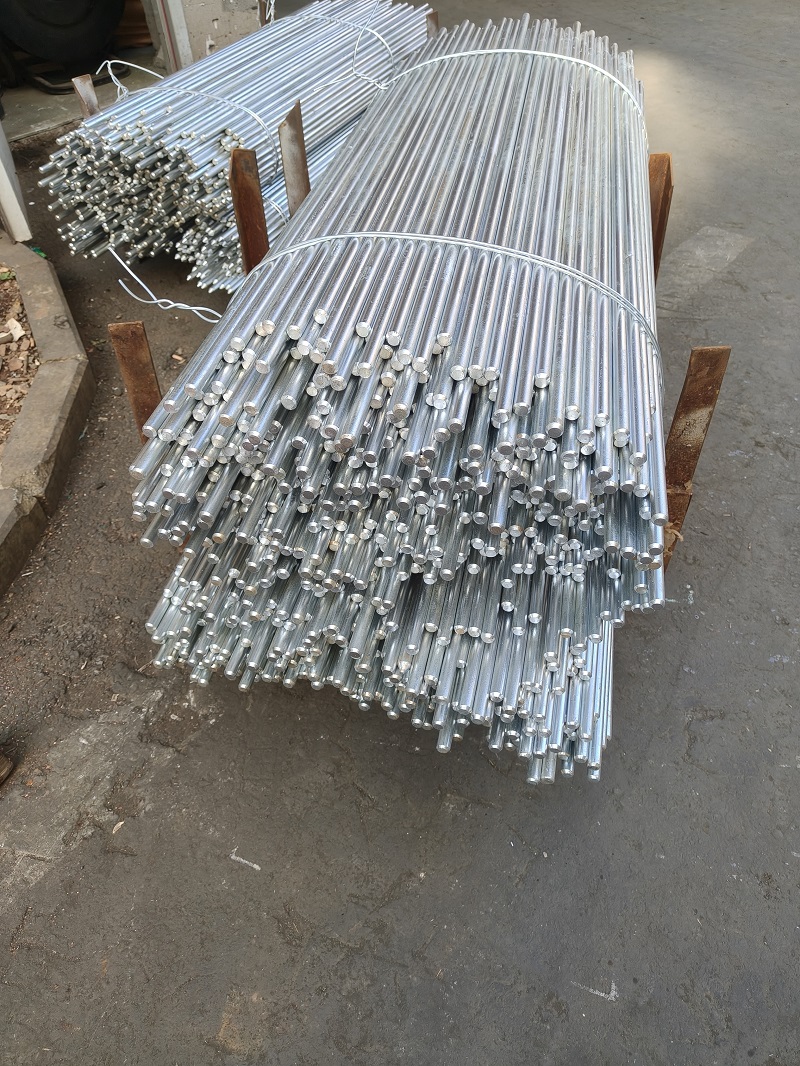
Recommended Environments for Zinc Coated Steel Grounding Rods
1. Dry, Neutral and Ordinary Soil
Dry, neutral soil is one of the most common application environments for zinc-coated steel grounding rods. Typical soil types include ordinary loess, dry clay, and sandy or gravelly soil with relatively low salt content, moderate moisture, and a pH close to neutral.
In these conditions, the zinc coating generally corrodes more slowly, helping maintain the grounding electrode's protective layer and extending its service life. Before installation, soil resistivity and local soil conditions should still be evaluated to ensure the grounding system meets the required electrical performance.
2. Basic Lightning Protection Grounding for General Buildings
Zinc Coated Steel Grounding Rods can be used for basic grounding applications in low-rise residential buildings, auxiliary factory buildings, standard streetlights, fence grounding systems, and small low-voltage electrical installations.
They are particularly suitable for projects where installation simplicity and initial cost are important considerations and where the expected service conditions do not involve severe soil corrosion.
3. Temporary Construction and Electrical Projects
For temporary construction sites, temporary power installations, and short-term infrastructure projects, zinc-coated steel grounding rods can provide a practical and cost-effective grounding option.
Their relatively simple installation process makes them convenient for projects where the grounding system may only be required for a limited operating period and can be removed or replaced after the project is completed.
4. Dry Inland Areas Outside Highly Corrosive Industrial Zones
Dry inland areas away from coastal environments, chemical plants, industrial wastewater discharge, and landfill sites are generally more suitable for zinc-coated steel grounding rods.
Where groundwater has relatively low salinity and the soil is not exposed to acidic or alkaline wastewater, the galvanized coating can provide effective basic corrosion protection for the steel grounding electrode.
Where Should Zinc Coated Steel Grounding Rods Be Used with Caution?
Although zinc-coated steel grounding rods offer an economical solution for many applications, they are not the first choice for every soil environment. Special attention should be paid to projects involving highly corrosive soil conditions.
Examples include coastal and marine environments, high-salinity soil, strongly acidic or alkaline soil, chemical industrial areas, landfill sites, and locations with continuous wastewater or chemical seepage.
In these environments, accelerated corrosion of the zinc coating and underlying steel may reduce the service life of the grounding electrode. Project engineers should therefore evaluate soil resistivity, pH, chloride and salt levels, moisture conditions, expected service life, and applicable electrical grounding requirements before selecting the electrode material.
Why Choose Zinc Coated Steel Grounding Rods?
Zinc Coated Steel Grounding Rods are widely selected for cost-sensitive grounding projects because they combine a steel core with a galvanized zinc protective coating.
Their main advantages include:
High Mechanical Strength: The steel core provides good mechanical strength, making the rod suitable for driving into ordinary soil during installation.
Basic Corrosion Protection: The zinc coating provides a protective barrier against atmospheric and soil corrosion under suitable environmental conditions.
Easy Installation: The rod-shaped design allows straightforward installation and connection with grounding conductors and accessories.
Cost Efficiency: Compared with some premium corrosion-resistant grounding electrode materials, galvanized steel provides a more economical option for suitable low-corrosion applications.
Wide Range of Applications: They can be used for general building grounding, streetlight grounding, temporary electrical systems, and other applications where soil conditions are relatively mild.
Zinc Coated Steel Grounding Rod Application Summary
| Environment | Suitability | Typical Applications |
|---|---|---|
| Dry, neutral ordinary soil | Highly suitable | General grounding systems and buildings |
| Dry inland areas | Suitable | Buildings, streetlights and low-voltage systems |
| Temporary construction sites | Suitable | Temporary power and construction grounding |
| High-moisture soil | Evaluate carefully | Depends on soil chemistry and corrosion conditions |
| High-salinity coastal soil | Use with caution | Additional corrosion protection may be required |
| Strongly acidic or alkaline soil | Use with caution | More corrosion-resistant materials may be preferred |
| Chemical or contaminated soil | Generally not recommended without evaluation | Requires corrosion and service-life assessment |
Conclusion
Zinc Coated Steel Grounding Rods are an economical grounding electrode solution characterized by good mechanical strength, relatively simple installation, and competitive cost. They are particularly suitable for inland areas with low-corrosion soil, including general buildings, streetlight grounding systems, small low-voltage electrical projects, and temporary construction applications.
However, grounding electrode selection should always take the actual soil environment and required service life into consideration. For coastal, high-salinity, strongly acidic or alkaline, or chemically contaminated soil, a corrosion assessment should be carried out before selecting galvanized steel grounding rods.
Choosing the appropriate grounding electrode according to soil resistivity, soil chemistry, environmental conditions, grounding requirements, and expected service life can help achieve a safer, more reliable, and more cost-effective grounding system.
Related News
- Why Is Flat Tape Conductor for Earthing System Widely Used in Grounding Projects?
- Why Are More Engineering Projects Choosing Graphene Coated Grounding Rods?
- Rare Earth Alloy Grounding Rod – Superior Corrosion Resistance & Stable Conductivity
- Electrolytic Grounding Rod for High-Resistivity Soil
- How Many Types of Stainless Steel Grounding Rods Are There?
- How do you choose between Zinc Coated Steel Grounding Rod, Copper Bonded Grounding Rod, and Solid Copper Grounding Rod?
Leave me a message