Why Have Copper Bonded Grounding Rods Become the Mainstream Product in Grounding Projects?
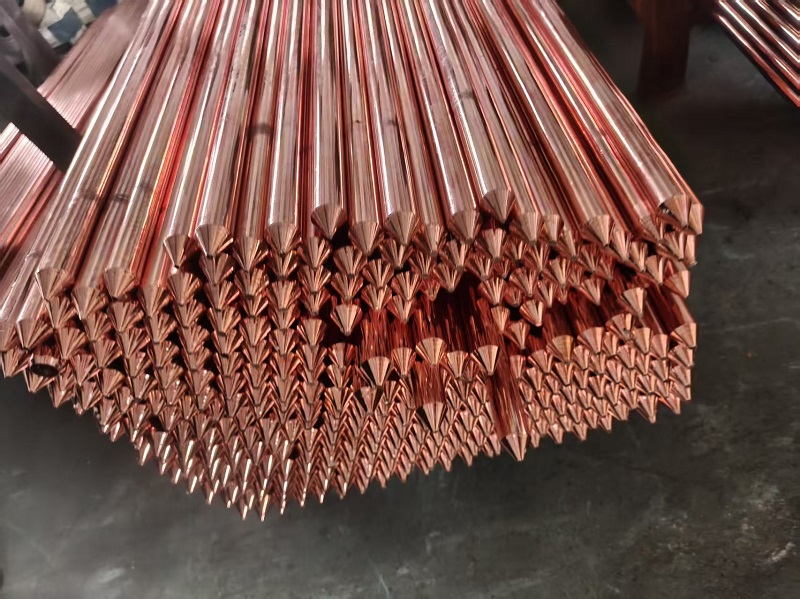
Copper Bonded Grounding Rod (Copper Clad Grounding Rod) has become one of the most widely used grounding electrodes in modern lightning protection and electrical grounding projects. It is commonly applied in building lightning protection systems, photovoltaic power plants, telecommunication base stations, power facilities, petrochemical projects and other industrial grounding applications.
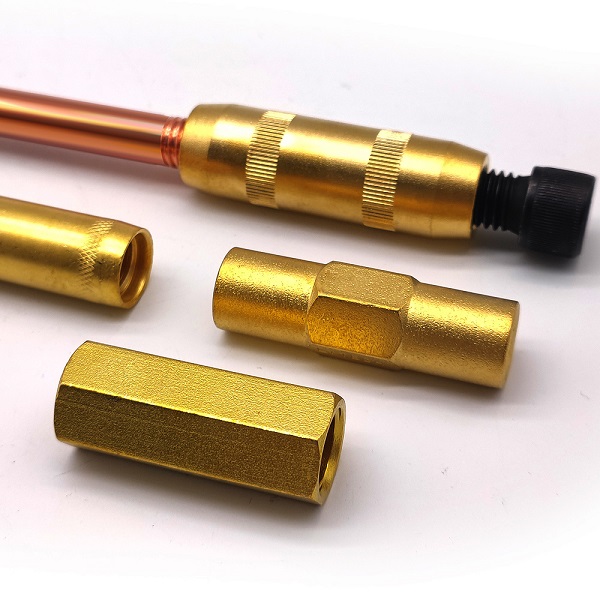
Combining excellent electrical conductivity, corrosion resistance and mechanical strength, copper bonded grounding rods provide a reliable and cost-effective grounding solution. With mature accessories including connection sleeves, driving heads, grounding clamps and connectors, multiple rods can be connected and extended according to different grounding resistance requirements, making installation flexible for various engineering projects.
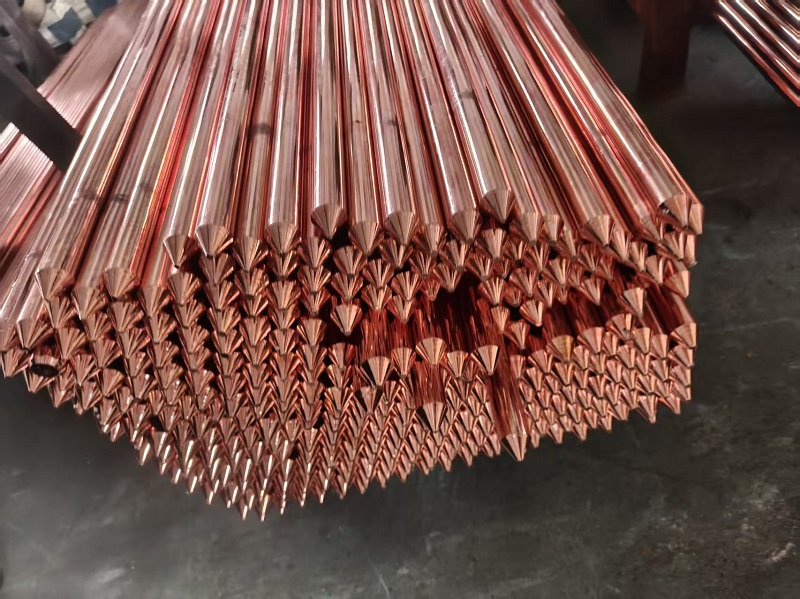
What Is a Copper Bonded Grounding Rod?
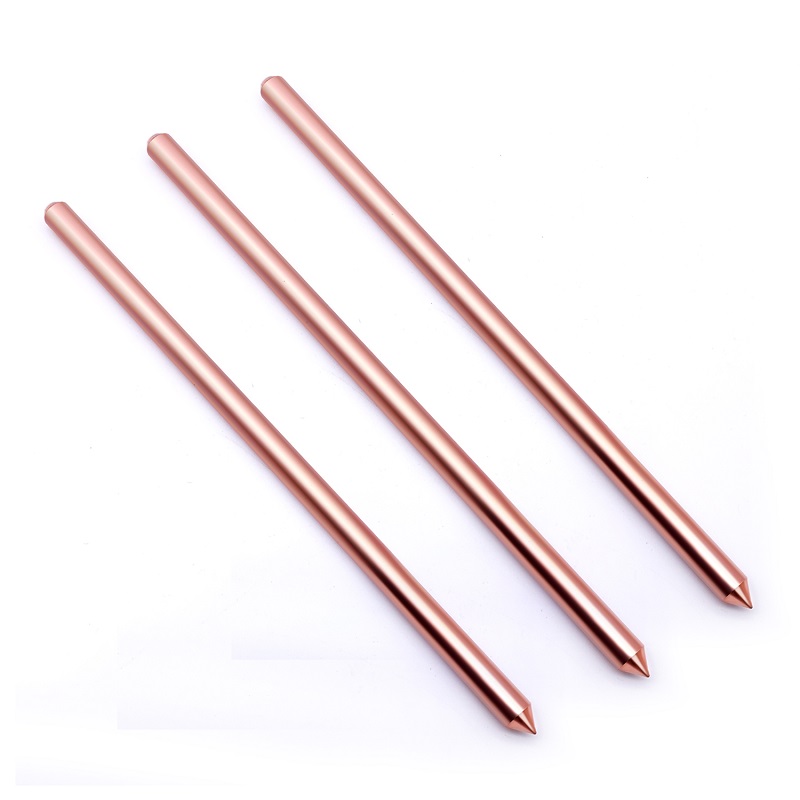
A Copper Bonded Grounding Rod is a commonly used grounding electrode in lightning protection and electrical grounding systems. Its main function is to safely conduct lightning current and fault current into the earth, reduce grounding resistance and protect buildings, electrical equipment and communication systems.
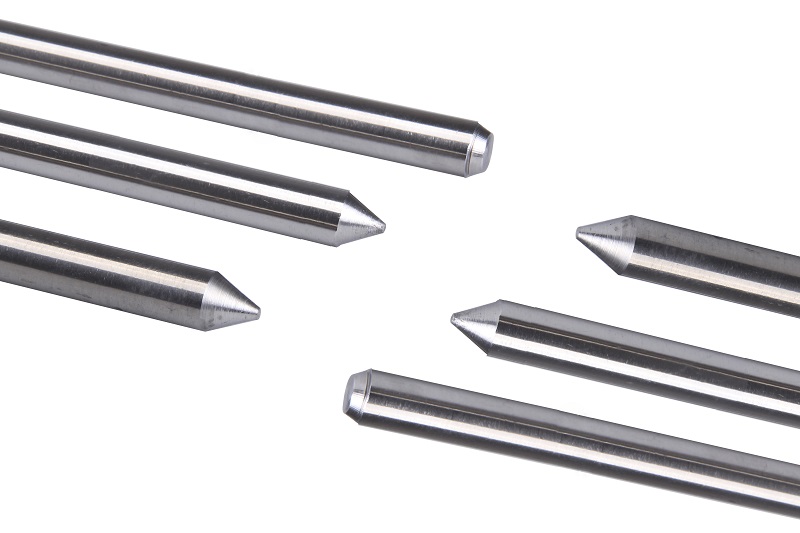
Unlike traditional grounding materials, copper bonded grounding rods adopt a composite structure that combines a high-strength steel core with an outer copper layer. Through advanced bonding technology, the copper layer is firmly attached to the steel core, creating a durable grounding electrode with excellent conductivity and mechanical performance.
Why Are Copper Bonded Grounding Rods Widely Used in Engineering Projects?
1. Excellent Electrical Conductivity
Copper has superior electrical conductivity compared with many traditional grounding materials. The copper outer layer of the grounding rod provides an efficient current transmission path, helping lightning and fault currents flow safely into the ground.
2. Strong Corrosion Resistance and Long Service Life
Grounding electrodes are usually installed underground for many years and must withstand moisture, soil corrosion and chemical environments. The copper coating provides strong corrosion resistance, significantly extending the service life of the grounding system.
3. High Mechanical Strength for Easy Installation
The internal steel core gives the grounding rod excellent mechanical strength, allowing it to withstand driving forces during installation. Compared with pure copper grounding rods, copper bonded grounding rods provide better structural stability and are more suitable for complex soil conditions.
4. Flexible Installation with Complete Accessories
Copper bonded grounding rods are supported by a complete accessory system, including:
- Grounding rod coupling sleeves
- Driving heads
- Grounding clamps
- Grounding connectors
Multiple grounding rods can be connected together to increase installation depth and achieve different grounding resistance requirements, providing greater flexibility for engineering design.
How to Select High-Quality Copper Bonded Grounding Rods?
The quality of copper bonded grounding rods varies significantly among manufacturers. When selecting products, project contractors should not focus only on purchase price. Copper coating thickness and copper-steel bonding strength are two critical quality indicators.
Key Quality Factors Include:
- Uniform copper coating thickness: Ensures stable conductivity and corrosion protection.
- Strong copper-steel adhesion: Prevents copper layer peeling or separation during underground installation.
- Reliable steel core strength: Ensures safe installation and long-term mechanical performance.
- Stable electrical performance: Maintains effective grounding capability throughout service life.
Low-quality grounding rods often have insufficient copper thickness or poor bonding between copper and steel. After long-term underground installation, the copper layer may peel off, exposing the steel core to corrosion. This can reduce grounding performance and create potential safety risks for lightning protection systems.
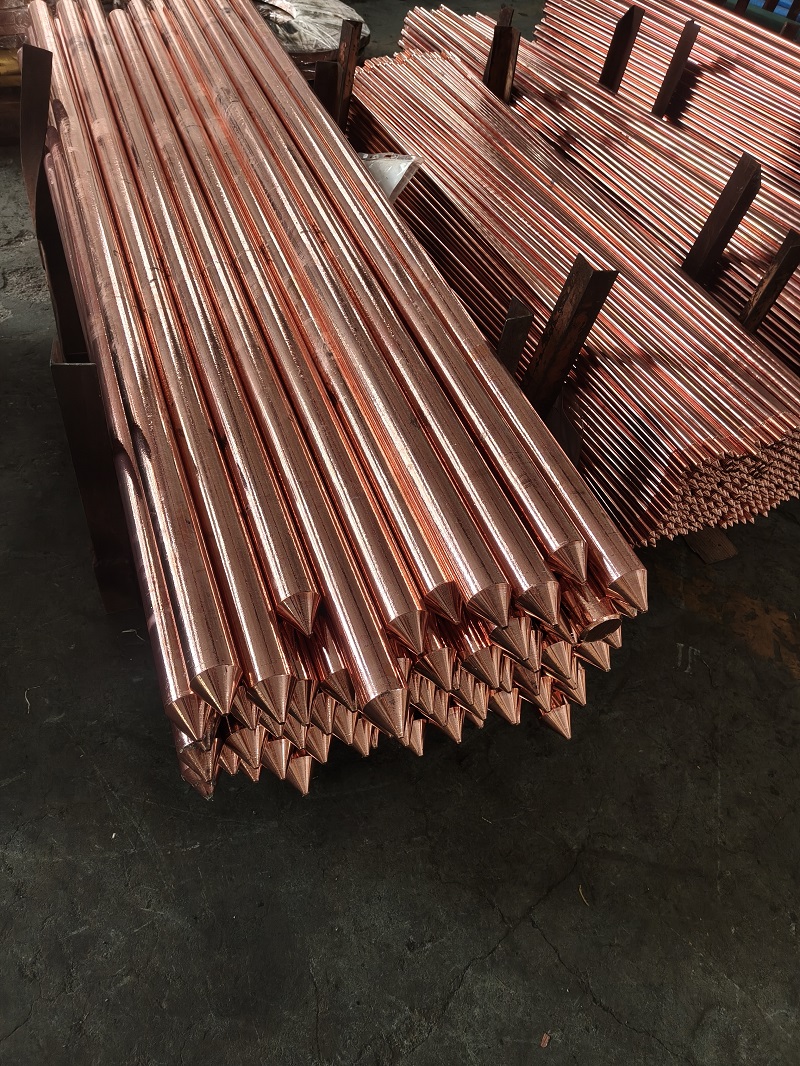
Copper Bonded Grounding Rod Applications
Due to its balanced performance and reliability, copper bonded grounding rods are widely used in:
- Building lightning protection systems
- Solar photovoltaic power plants
- Telecommunication towers and base stations
- Power substations and transmission systems
- Petrochemical and industrial facilities
- Railway and transportation grounding projects
Saintni Copper Bonded Grounding Rod Solution
Considering electrical conductivity, mechanical strength, corrosion resistance, installation convenience and overall project cost, Saintni Lightning Protection Factory provides copper bonded grounding rods designed to meet the requirements of modern grounding engineering projects.
Through reliable product performance and strict manufacturing standards, Saintni Copper Bonded Grounding Rods have gained recognition from engineering contractors, system integrators and project designers worldwide. The products provide a practical balance between grounding safety, service life and installation efficiency, making them a preferred grounding electrode solution for various applications.
Reliable Grounding Solutions for Global Lightning Protection Projects
As demand for safe electrical grounding systems continues to grow, high-performance copper bonded grounding rods play an increasingly important role in protecting infrastructure, equipment and personnel.
Saintni Lightning Protection continues to focus on developing reliable grounding products and providing professional solutions for lightning protection and grounding projects worldwide.
Related News
- Why Is Flat Tape Conductor for Earthing System Widely Used in Grounding Projects?
- Why Are More Engineering Projects Choosing Graphene Coated Grounding Rods?
- Rare Earth Alloy Grounding Rod – Superior Corrosion Resistance & Stable Conductivity
- Electrolytic Grounding Rod for High-Resistivity Soil
- How Many Types of Stainless Steel Grounding Rods Are There?
- How do you choose between Zinc Coated Steel Grounding Rod, Copper Bonded Grounding Rod, and Solid Copper Grounding Rod?
Leave me a message