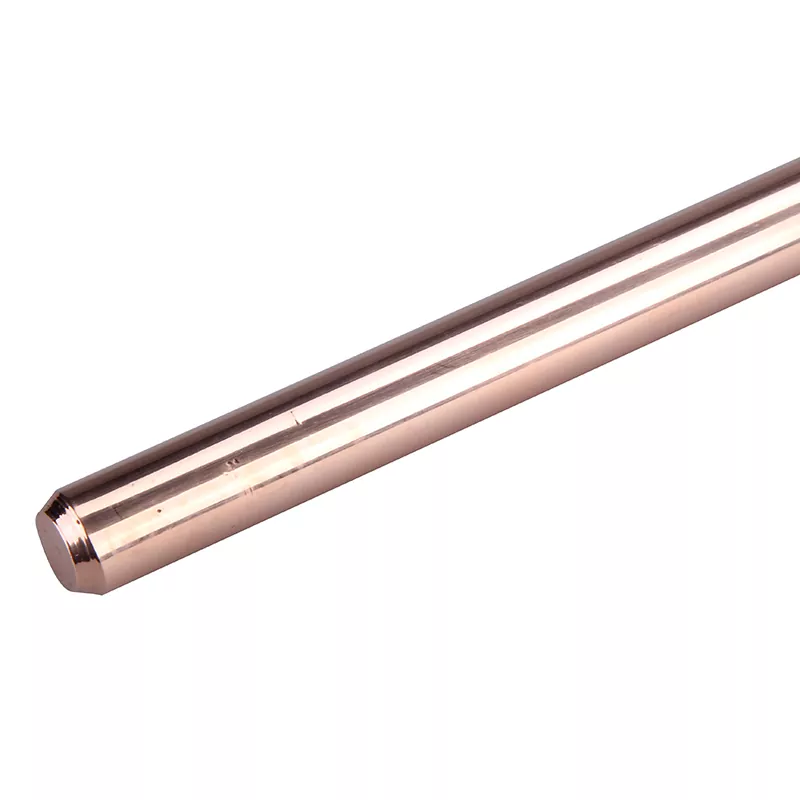


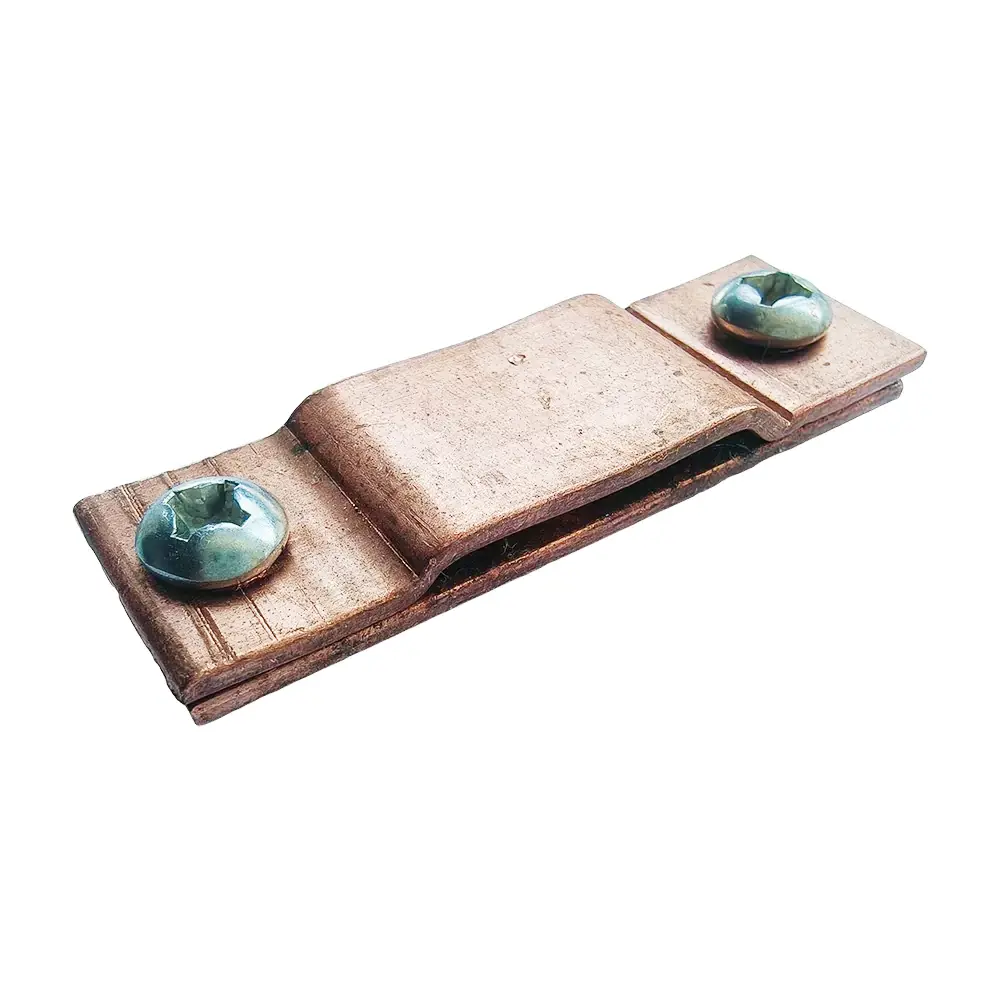
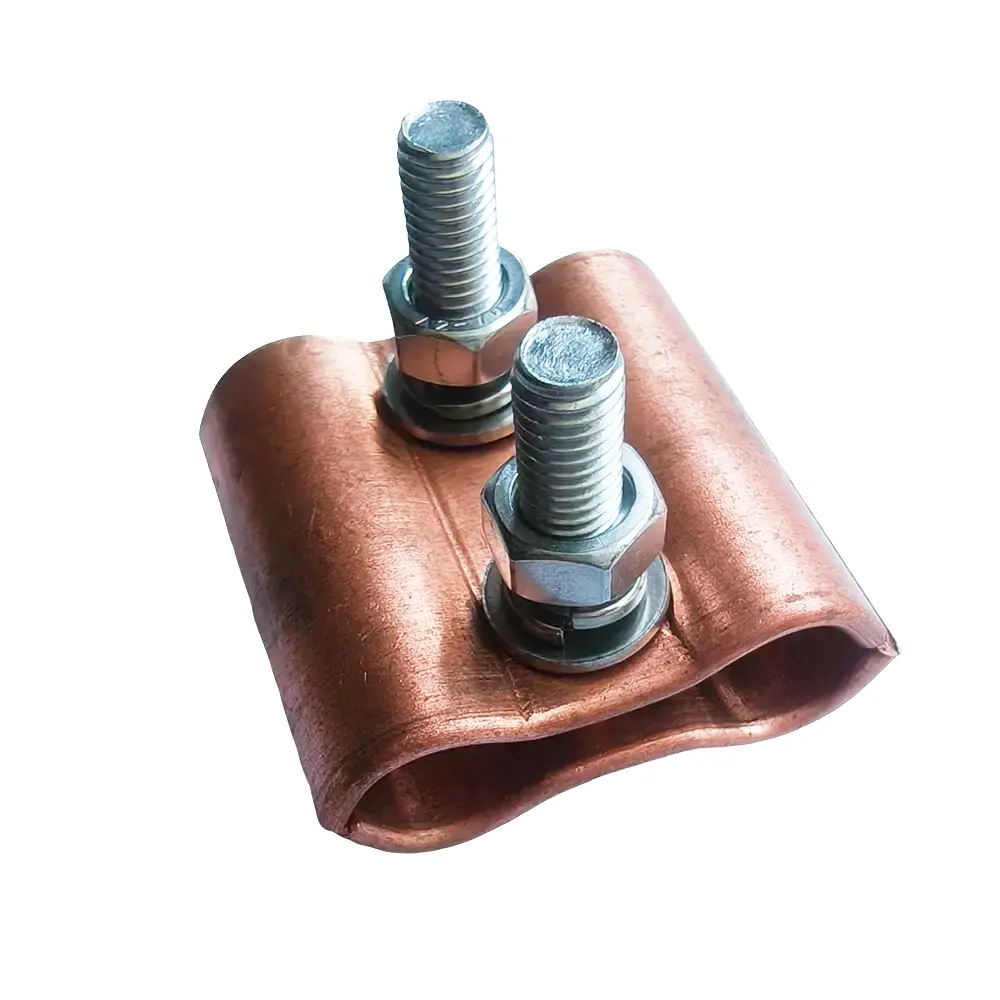
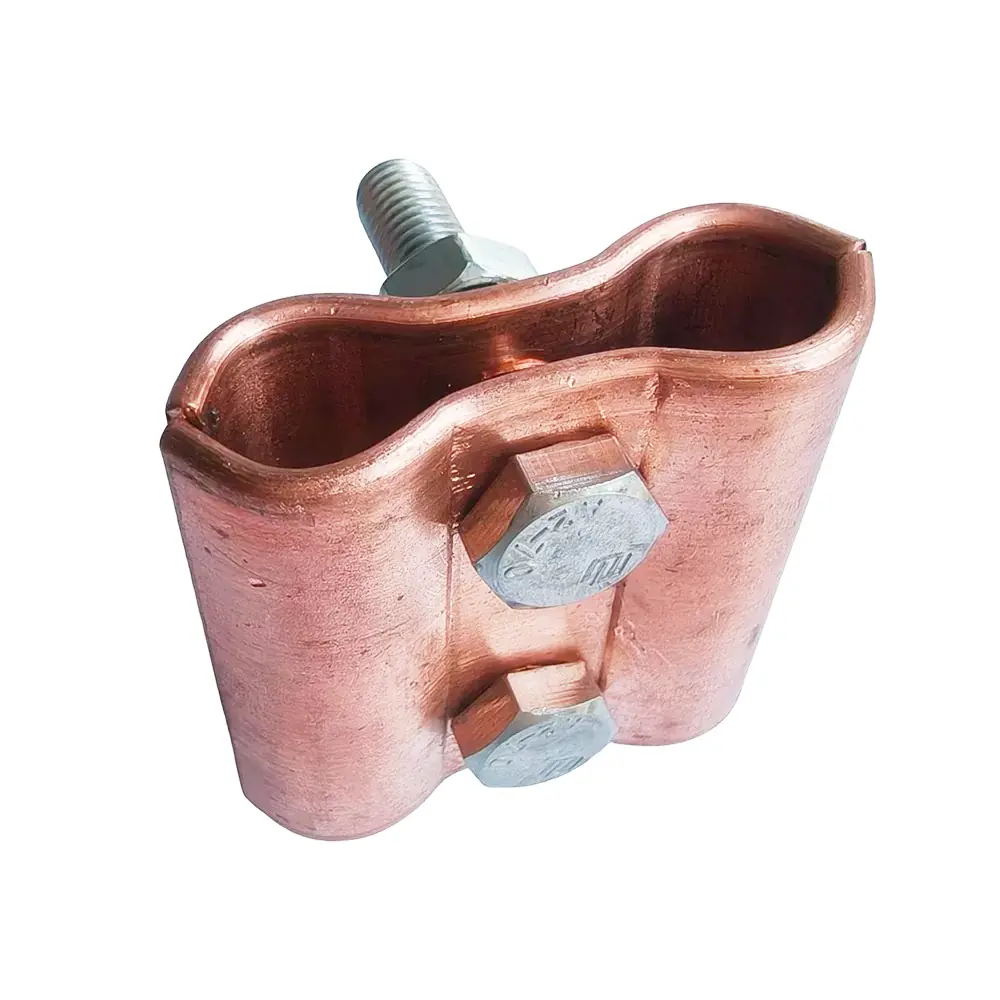
Copper Grounding Cable Clamp
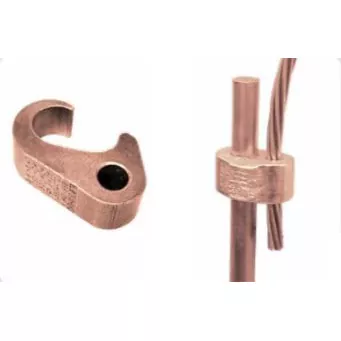
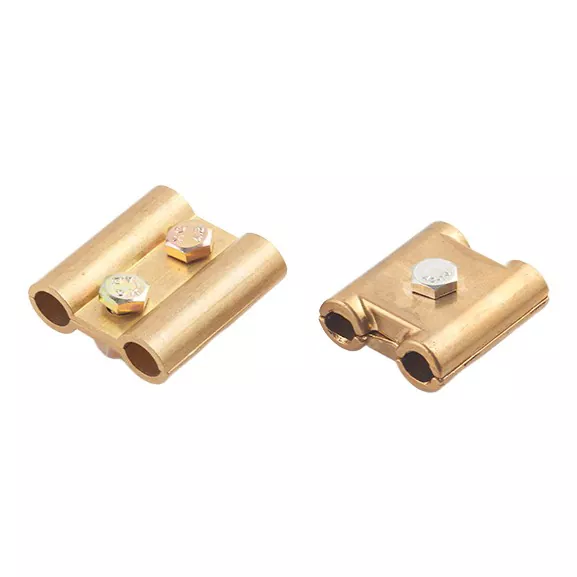
Copper Grounding Cable Clamp manufactured by Saint Ni Lightning Protection is made from high-purity electrolytic copper with an integrated forging process, providing excellent conductivity, low contact resistance and strong corrosion resistance for high-standard grounding projects. Designed for substations, energy storage systems, coastal facilities, photovoltaic plants and industrial grounding applications, it supports straight, cross, U-type and cable transition connections for various grounding conductors.
For grounding projects with strict requirements on electrical performance and service life, the choice of connection material is just as important as the grounding conductor itself. Substations, energy storage stations, coastal facilities and chemical plants may experience high fault currents, salt spray, humidity or corrosive soil, making ordinary connection hardware unsuitable for long-term operation.
Copper Grounding Cable Clamp from Saint Ni Lightning Protection uses high-purity electrolytic copper and an integrated forging process to create a strong, conductive mechanical connection. Compared with galvanized steel connection hardware, copper offers much higher electrical conductivity and does not rely on a zinc coating for basic corrosion protection.
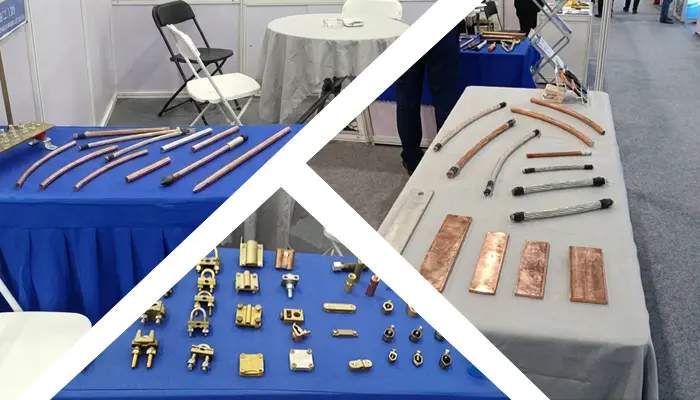
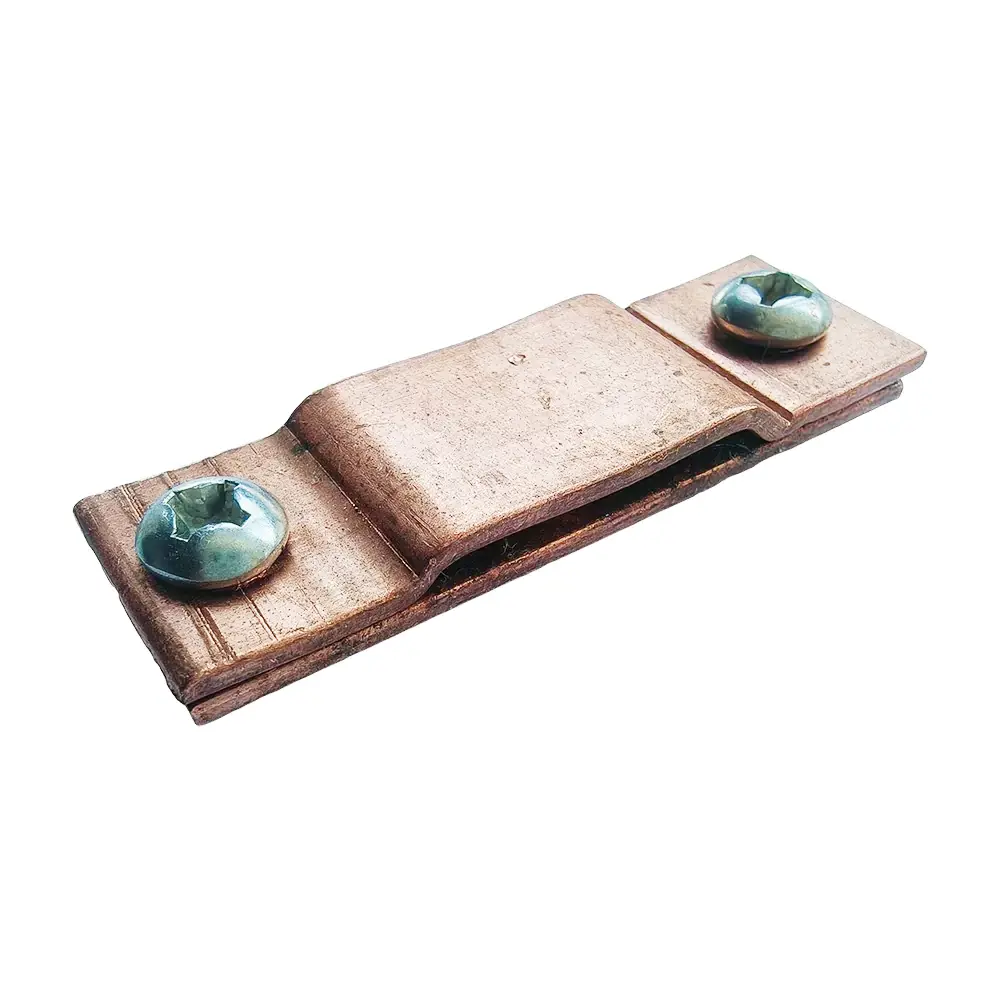
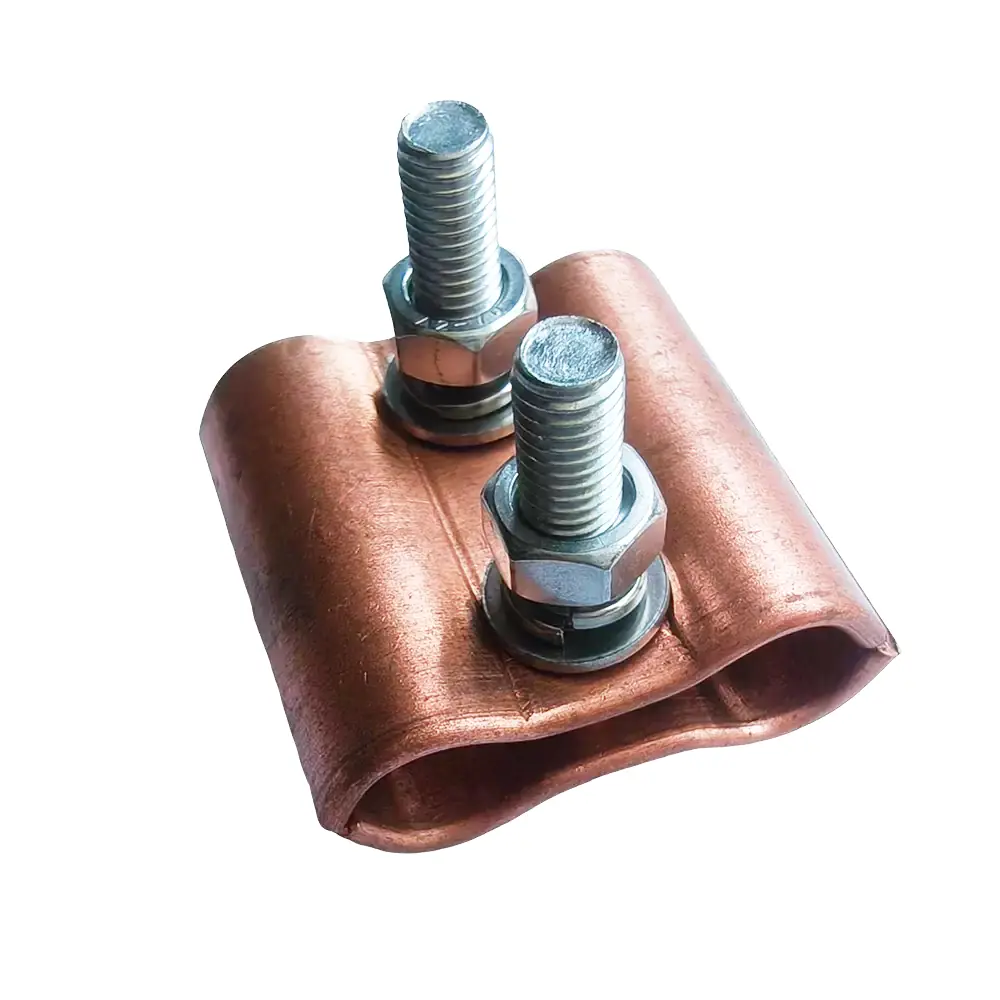
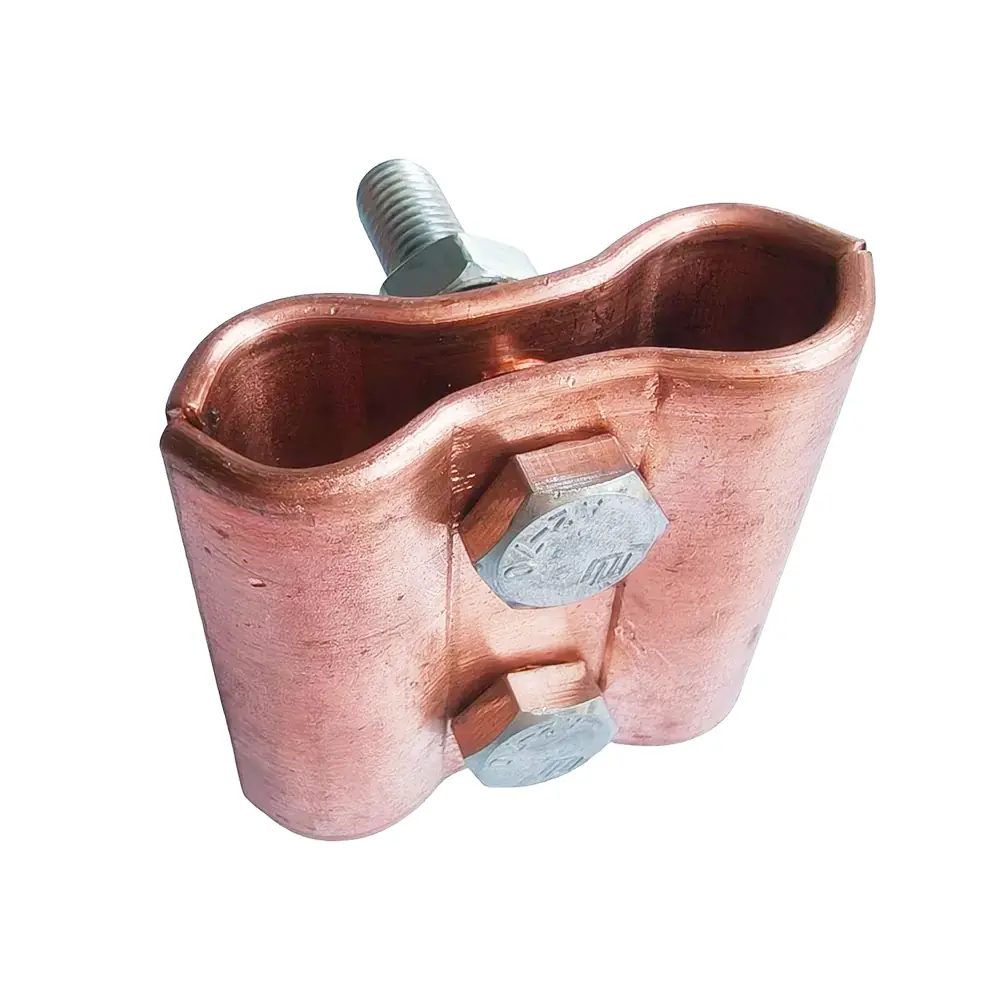
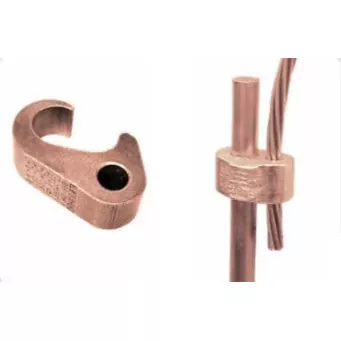
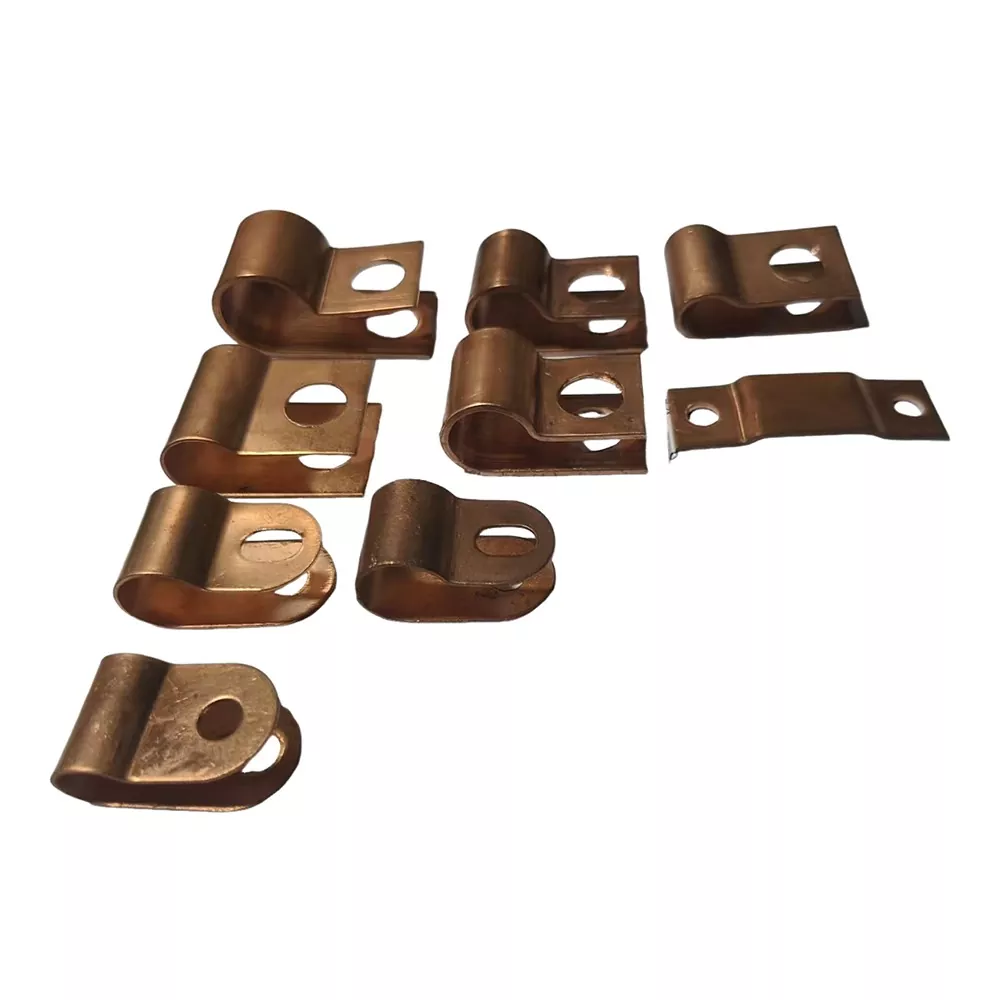
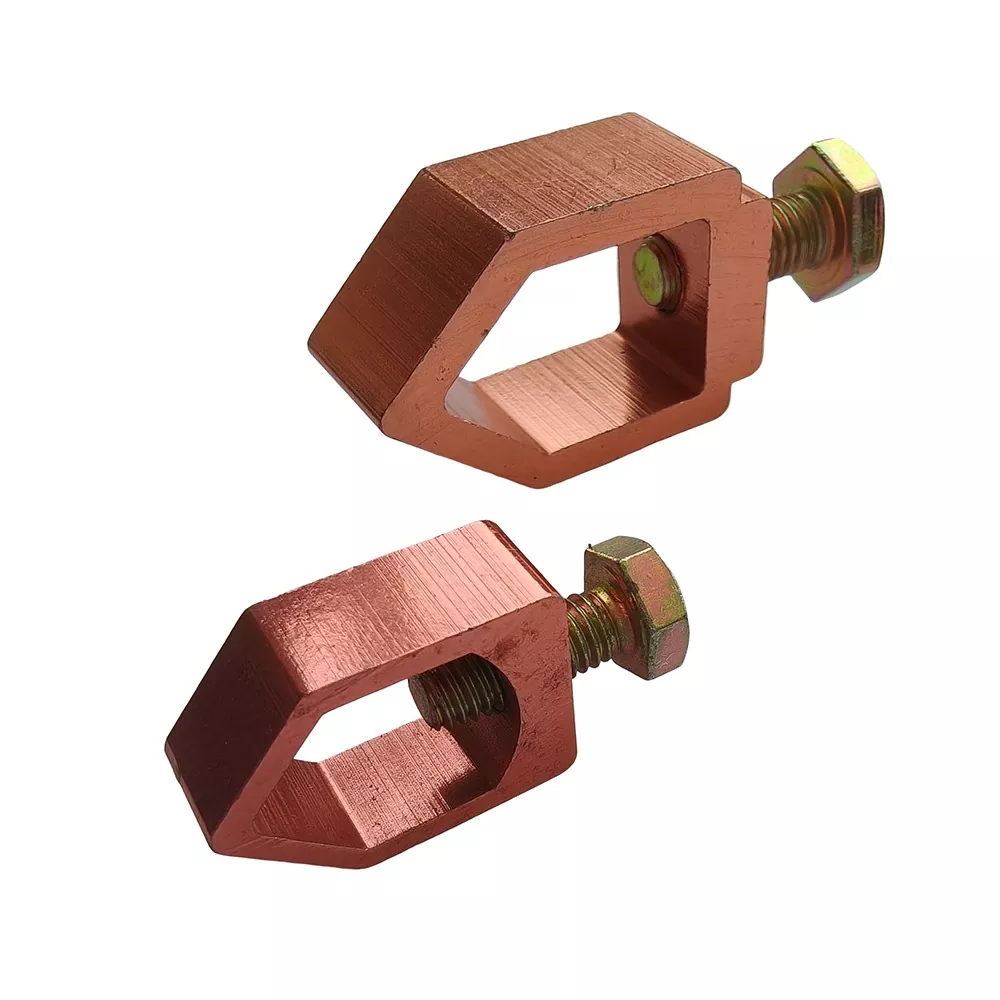
The range includes straight parallel, cross, U-shaped rod and cable transition configurations for bare copper conductors, copper-clad steel, aluminum-clad steel, multi-strand grounding cables and copper flat strips.
Copper Material and Forged Structure
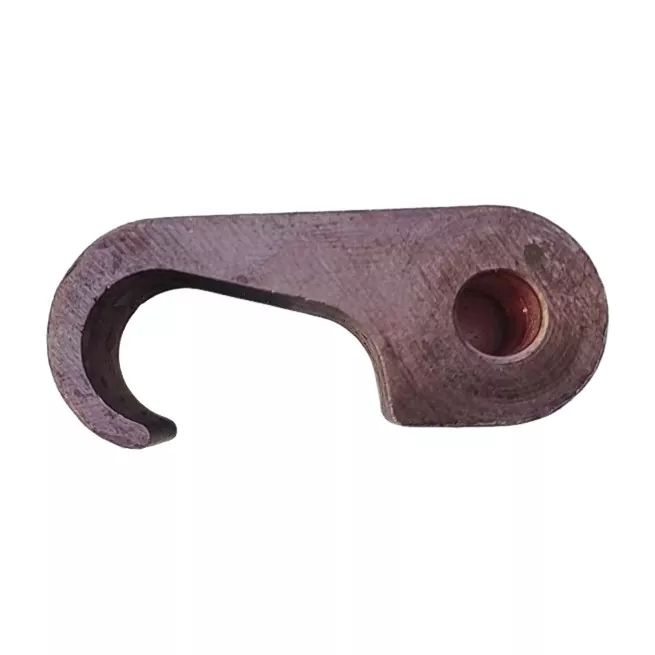
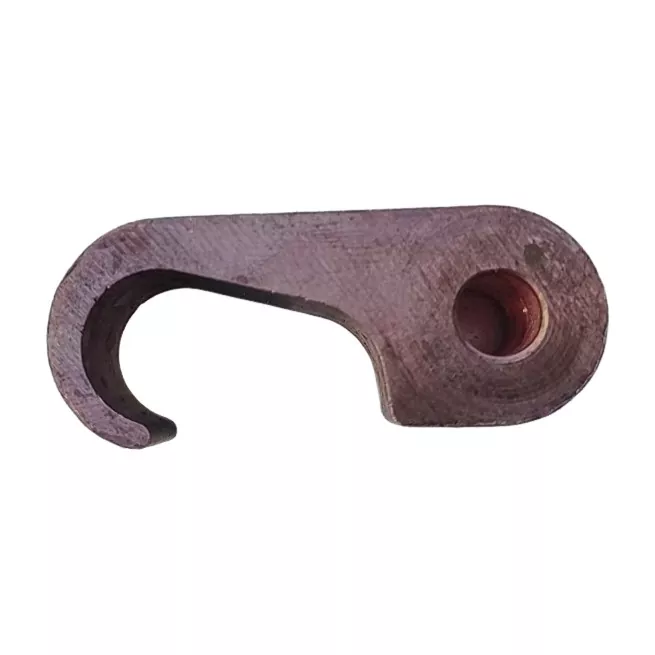
The Copper Grounding Cable Clamp body is produced from high-purity electrolytic copper through thickened one-piece forging. This process improves structural strength while retaining the excellent conductivity and ductility of copper.
The fastening components are designed to work with the copper clamp system, helping reduce the potential corrosion problems that can occur when incompatible metals are directly coupled in humid or saline environments.
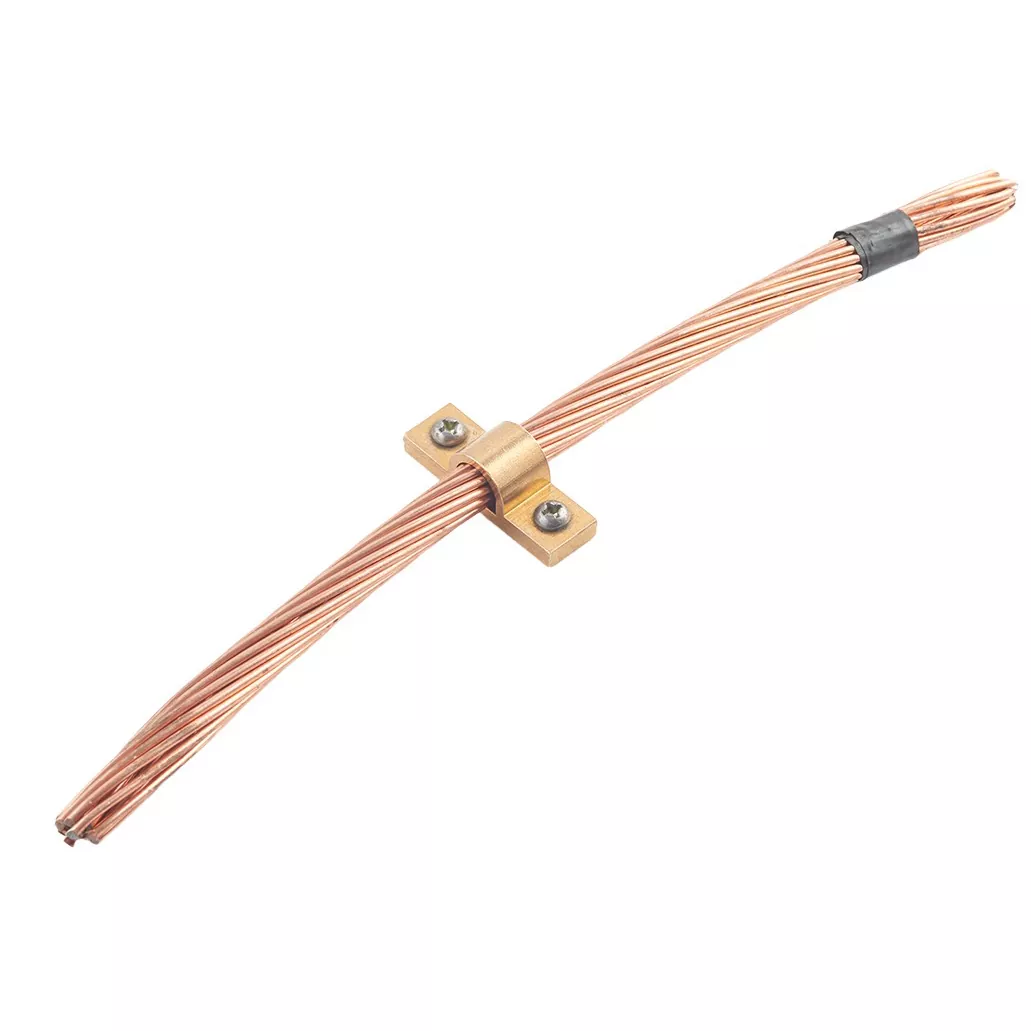
A precision-machined curved groove follows the conductor surface and provides a broad contact area. After the bolts are tightened evenly, the conductor is firmly secured inside the groove, helping maintain consistent electrical contact over long-term service.
Designed for Demanding Grounding Conditions
High Electrical Conductivity
Copper has excellent electrical conductivity and low resistivity, making it suitable for grounding connections that need to dissipate lightning and fault currents efficiently. The large-area contact structure further helps reduce localized resistance and excessive temperature rise.
Corrosion Resistance in Harsh Environments
The copper surface naturally develops an oxide protective layer. This makes the clamp suitable for projects exposed to humidity, salt spray and saline soil. For strongly corrosive or buried environments, additional sealing and conductive anti-corrosion treatment should be applied according to the engineering specification.
Mechanical Strength for Long-Term Use
The thickened forged construction provides resistance to deformation and mechanical damage. The clamp remains firmly secured when correctly installed and maintained.
Simple Installation
No welding powder, graphite mold or open flame is required. Workers can complete installation using a suitable torque wrench or standard hand tools, which is particularly useful where hot work is restricted.
Where Is It Used?
Copper Grounding Cable Clamp is designed for demanding grounding applications in 220 kV substations, energy storage facilities, photovoltaic projects, wind power systems, coastal electrical installations, transformer grounding, data centers and chemical plants.
It is especially suitable where low electrical resistance, long-term corrosion resistance and stable mechanical fixation are required. The available configurations allow contractors to handle straight connections, cross connections, grounding-rod connections and cable-to-copper-busbar transitions with corresponding clamp models.
Installation Requirements
Before installation, the conductor contact area should be cleaned to remove oxidation, oil, dust and other contaminants. The conductor should then be positioned centrally inside the clamp groove.
For dual-bolt structures, tighten the bolts alternately and evenly in several stages until the specified torque is reached. This prevents one-sided pressure and helps maintain uniform contact.
For outdoor buried connections, conductive anti-corrosion paste and suitable waterproof sealing can be applied according to soil and environmental conditions. After inspection, the connection can be backfilled with fine soil and compacted in layers.
Product Comparison
|
Item |
Copper Grounding Clamp |
Brass Grounding Clamp |
Galvanized Steel Clamp |
Exothermic Welding |
|
Main Material |
High-purity copper |
Brass |
Galvanized steel |
Welded conductor |
|
Electrical Conductivity |
Excellent |
Good |
Lower than copper |
Excellent |
|
Corrosion Protection |
Natural copper oxide layer |
Brass corrosion resistance |
Depends on coating |
Good when properly completed |
|
Installation |
Mechanical |
Mechanical |
Mechanical |
Hot-work process |
|
Welding Equipment |
Not required |
Not required |
Not required |
Required |
|
Reusable |
Yes |
Yes |
Generally yes |
No |
|
Suitable for Harsh Environments |
Excellent with proper protection |
Good |
Depends on coating |
Excellent |
For high-voltage, coastal or heavily corrosive projects, buyers should evaluate conductor compatibility, current requirements, soil conditions, connection geometry and applicable standards before selecting the connection method.
Common Mistakes
Choosing by Conductor Diameter Only
The correct model should consider not only conductor diameter but also conductor material, number of conductors and connection configuration.
Leaving Oxidation and Contamination on the Contact Surface
Oil, dirt and heavy oxidation can reduce the effective contact area. The conductor should be properly prepared before clamping.
Overlooking Torque Requirements
Insufficient tightening may cause movement or unstable contact, while excessive tightening can damage the conductor or clamp. Use the recommended installation torque.
Assuming Copper Needs No Environmental Protection
Copper has good corrosion resistance, but highly saline soil, chemical exposure and permanent burial can still require additional sealing and anti-corrosion treatment.
Using an Ordinary Clamp for a High-Standard Project
Not every grounding clamp is suitable for high-voltage or heavily corrosive environments. Material quality, mechanical construction and project-specific requirements should be confirmed before bulk procurement.
Actual Engineering Application Case
New Grounding Grid for Coastal 220 kV Energy Storage Step-up Substation
The site was located close to the coastline, with high soil salinity and year-round exposure to salt fog from typhoons. The project had a 30-year design service life. The design institute prohibited galvanized and ordinary brass fittings and required high conductivity and strong corrosion resistance. Hot-work welding was also prohibited in underground electrical distribution rooms.
Saint Ni Lightning Protection supplied copper grounding clamps according to the different connection points, including straight, cross, rod and copper-busbar transition configurations. Outdoor buried joints were sealed with two layers of anti-corrosion conductive paste. Installation teams used torque wrenches, eliminating the transportation of welding powder, molds and drying equipment.
More than 4,200 grounding joints were installed across the site. Third-party grounding tests confirmed stable grounding resistance. During seven years of operation, annual spring and autumn inspections found no corrosion holes or obvious oxidation on the copper clamps, and the bolts showed no stripped threads. Contact resistance remained stable.
During thunderstorms, typhoons and salt-fog conditions, fault-current dissipation remained stable, with no reported lightning damage to transformers or inverters. The project therefore demonstrated the suitability of the copper connection system for long-term coastal grounding applications.
FAQ
Why is copper preferred for high-standard grounding projects?
Copper combines excellent electrical conductivity with good corrosion resistance and ductility. It is particularly suitable where grounding connections need to maintain low electrical resistance over a long service period.
Can it be installed without welding?
Yes. The mechanical connection is installed with suitable hand tools and does not require welding powder, graphite molds or open flames.
Is it suitable for coastal and saline environments?
Yes. High-purity copper is suitable for coastal grounding applications, although additional sealing and anti-corrosion protection should be considered for permanent buried connections.
What should buyers provide when requesting a quotation?
The conductor material, conductor diameter or cross-sectional area, connection type, grounding rod or busbar dimensions, quantity and installation environment are useful for accurate model selection and quotation.
Can Saint Ni Lightning Protection provide customized sizes?
Yes. Saint Ni Lightning Protection supports customized dimensions and configurations according to engineering requirements, in addition to regular specifications.
High-Purity Copper Grounding Clamp Production Capability
Saint Ni Lightning Protection specializes in manufacturing high-purity copper grounding clamps for substations, energy storage systems, photovoltaic projects and industrial grounding applications. Using electrolytic copper materials and integrated forging technology, Saint Ni Lightning Protection controls key production factors including material quality, dimensional accuracy, contact surface performance and clamping strength.
The factory supports customized structures such as straight, cross, U-type and transition clamps to meet different grounding connection requirements. Each product undergoes performance inspection to ensure stable conductivity and reliable mechanical connection in high-current and corrosive environments.
With GB/T19001-2016 / ISO9001:2015 Quality Management System Certification and GB/T24001-2016 / ISO14001:2015 Environmental Management System Certification, Saint Ni Lightning Protection provides consistent product quality and reliable supply support for global grounding projects.
Related Category
Send Inquiry
Contact Info
-
Address
Woxi Avenue, Chengtan Street, Xinchang County, Shaoxing City, Zhejiang Province, China
-
Tel
-
Email
Get a Tailored Quote for Your Lightning Protection Project
Whether you need standard grounding rods, custom-engineered materials, or a complete system solution for a large-scale infrastructure project, Saint Ni is here to help. As a direct manufacturer with our own factory in China, we provide competitive pricing, fast response, and expert technical support.
Complete the form below and our engineering team will respond within 24 hours with a customized recommendation — including product specifications, certifications, and shipping options tailored to your region.

News Recommendations