Why Are More Engineering Projects Choosing Graphene Coated Grounding Rods?
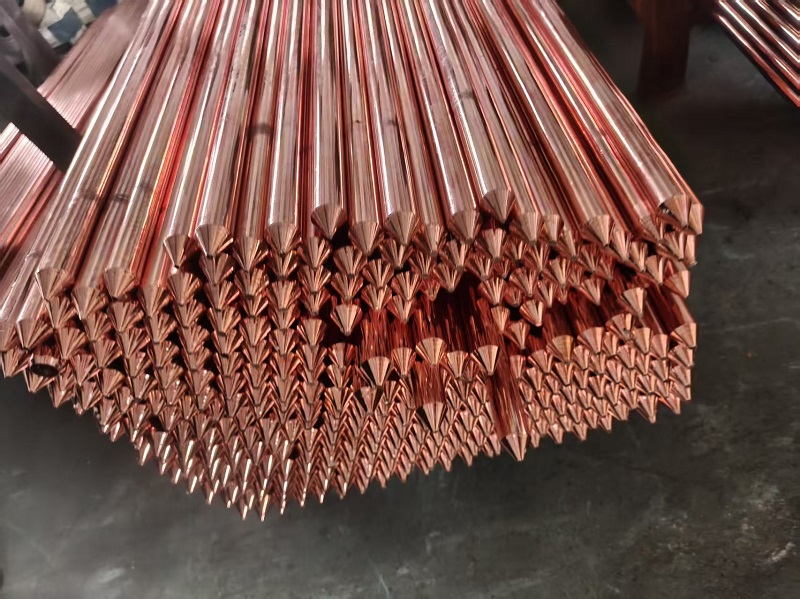
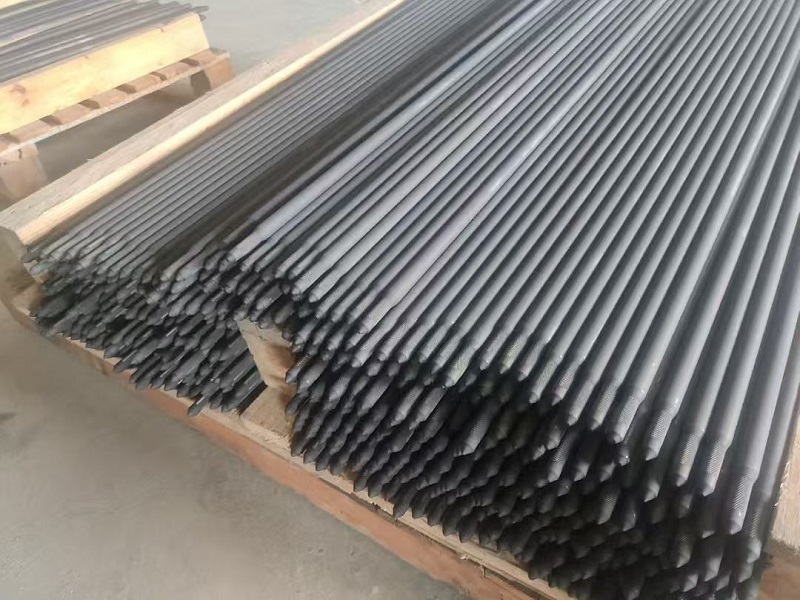
A reliable grounding system is essential for lightning protection, electrical safety, and long-term operational stability. As engineering projects place greater emphasis on conductivity, corrosion resistance, installation efficiency, and lifecycle costs, Graphene Coated Grounding Rod solutions are attracting attention as an alternative to conventional grounding materials.
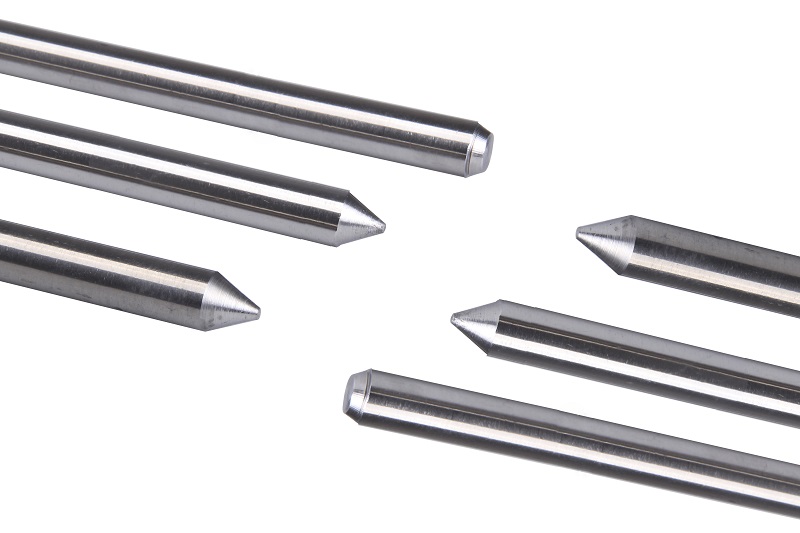
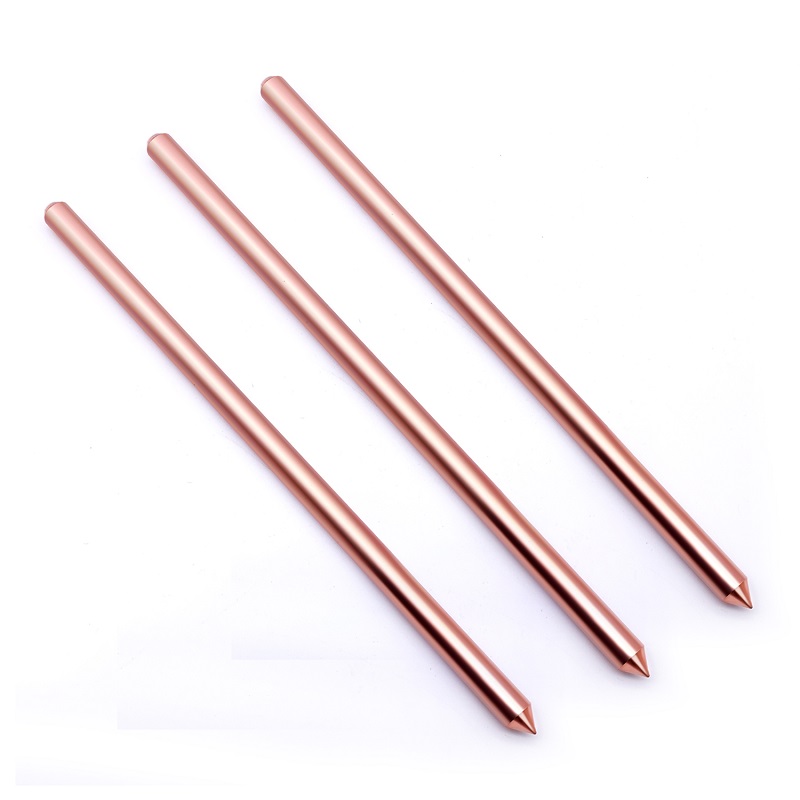
Made with a rare-earth alloy substrate and a dense graphene-based conductive protective coating, this composite grounding rod is designed to combine electrical conductivity, corrosion protection, and mechanical strength. Its suitability depends on soil conditions, grounding design requirements, and verified product performance.
Excellent Conductivity for Reliable Grounding Performance
The conductive coating of a Graphene Coated Grounding Rod is designed to support electrical current transfer between the grounding electrode and the surrounding soil. When properly manufactured and installed, the rod can contribute to the dissipation of lightning current and power-frequency fault current into the earth.
For engineering buyers, actual grounding performance depends on several factors, including soil resistivity, electrode dimensions, installation depth, connection quality, and the overall grounding system design. Conductivity and contact resistance should therefore be evaluated using relevant technical data and project-specific testing.
Corrosion Protection for Extended Service Life
Underground grounding electrodes are exposed to moisture, dissolved salts, and other potentially corrosive substances. A dense graphene-based protective coating is intended to reduce direct exposure of the substrate to these environmental factors.
The performance of a Graphene Coated Grounding Rod depends on coating continuity, adhesion, thickness, substrate preparation, and resistance to damage during installation. Proper material selection and corrosion testing are particularly important for projects where long-term grounding reliability is required.
Mechanical Strength and Convenient Installation
Mechanical durability is another important consideration when selecting grounding electrodes. The alloy substrate can be designed to withstand the forces encountered during installation, helping reduce the risk of bending or deformation when suitable installation procedures are followed.
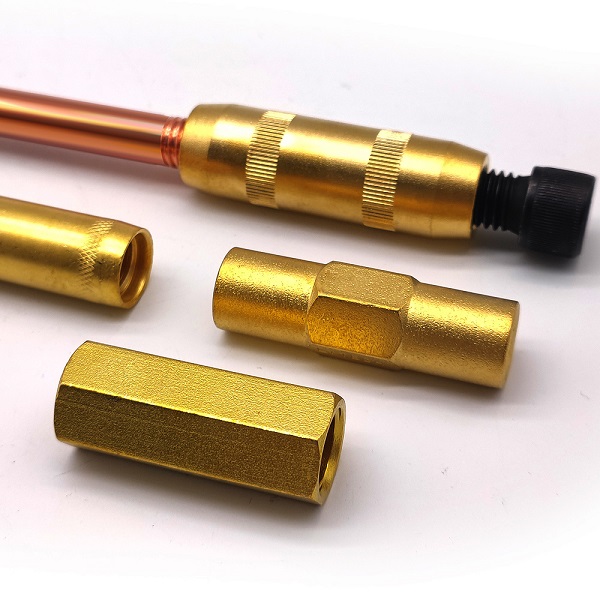
Threaded connections can also be incorporated to allow multiple rods to be joined and extended to the required depth. This design supports installation methods similar to those used for conventional grounding rods and can help simplify construction planning.
Before installation, contractors should confirm the rod's dimensions, connection compatibility, driving requirements, and applicable mechanical performance specifications.
Cost Efficiency Compared with Solid Copper Grounding Rods
Material cost is an important factor in large-scale grounding projects. A Graphene Coated Grounding Rod may offer a lower initial material cost than a solid copper grounding rod, depending on product specifications and market prices.
However, procurement decisions should consider more than the purchase price. Installation labor, connection components, soil corrosivity, maintenance requirements, expected service life, and replacement costs all affect the total cost of ownership.
For projects with moderate soil corrosivity, this composite grounding solution may be worth evaluating when its electrical and corrosion performance meets the relevant engineering requirements. A technical comparison with alternative grounding materials can help determine its actual economic value.
Environmental Considerations
Environmental performance is increasingly important in infrastructure and renewable energy projects. The environmental impact of a Graphene Coated Grounding Rod depends on the composition of its substrate, coating materials, manufacturing processes, and end-of-life handling.
Project buyers should request material safety documentation and relevant environmental test reports to verify whether the product meets applicable requirements. Where soil protection is a priority, material composition and potential leaching under local soil conditions should also be assessed.
Typical Applications
Graphene Coated Grounding Rod products can be considered for various grounding applications, subject to project specifications and local environmental conditions, including:
- Building Lightning Protection: Grounding systems for commercial, industrial, and residential buildings.
- Solar Power Plants: Grounding installations for photovoltaic facilities in suitable soil conditions.
- Telecommunication Base Stations: Grounding systems for communication equipment and supporting infrastructure.
- Power Distribution Facilities: Grounding electrodes for distribution rooms, substations, and related electrical installations.
For coastal areas, highly saline soils, and strongly acidic or alkaline environments, a soil assessment and corrosion-resistance evaluation are recommended before material selection.
How to Select the Right Grounding Rod
When evaluating a Graphene Coated Grounding Rod for an engineering project, buyers should consider the following factors:
- Electrical Performance: Review conductivity data and verify compliance with the project's grounding resistance requirements.
- Coating Quality: Check coating thickness, adhesion, continuity, and corrosion-resistance test results.
- Mechanical Properties: Confirm tensile strength, dimensional tolerances, and suitability for the planned installation method.
- Connection Design: Verify thread specifications, couplers, and compatibility with the existing grounding system.
- Environmental Conditions: Assess soil resistivity, moisture content, pH, and chloride concentration where relevant.
- Standards and Testing: Request applicable inspection reports, technical specifications, and evidence of compliance with project standards.
Related News
- Why Is Flat Tape Conductor for Earthing System Widely Used in Grounding Projects?
- Rare Earth Alloy Grounding Rod – Superior Corrosion Resistance & Stable Conductivity
- Electrolytic Grounding Rod for High-Resistivity Soil
- How Many Types of Stainless Steel Grounding Rods Are There?
- How do you choose between Zinc Coated Steel Grounding Rod, Copper Bonded Grounding Rod, and Solid Copper Grounding Rod?
- Copper Grounding Rod Solid Copper Type: Advantages and Disadvantages
Leave me a message