Copper Grounding Rod Solid Copper Type: Advantages and Disadvantages
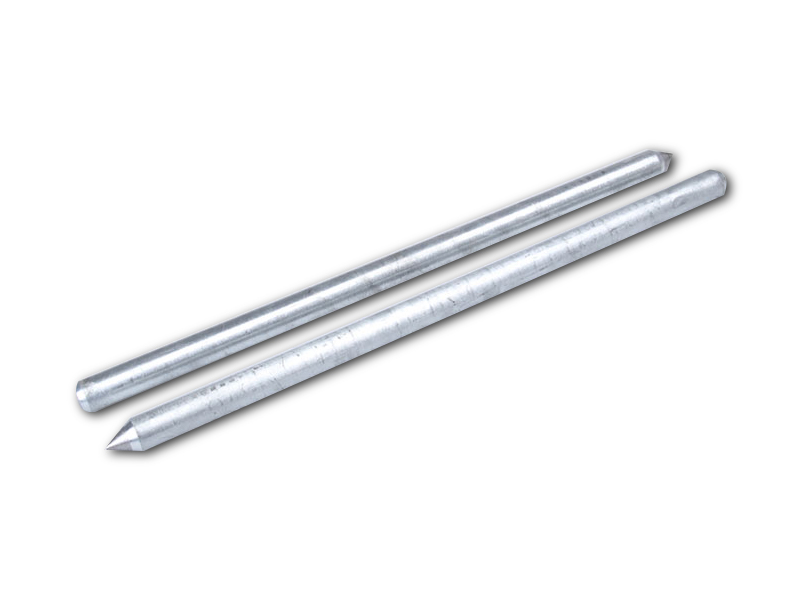
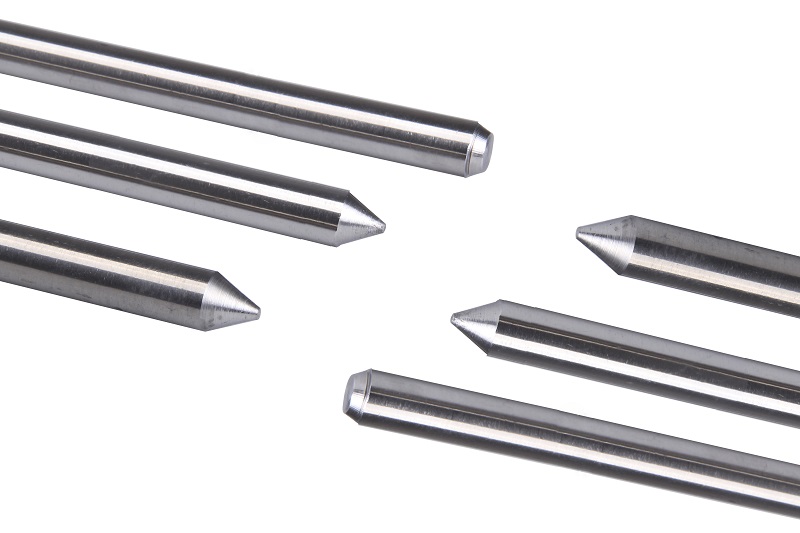
What are the advantages and disadvantages of solid copper grounding rods? Copper Grounding Rod (Solid Copper Type) is a premium grounding electrode made from high-purity electrolytic copper with a one-piece solid copper construction. Compared with copper-clad grounding rods, solid copper grounding rods provide superior electrical conductivity and corrosion resistance, making them widely used in high-standard lightning protection and grounding projects.
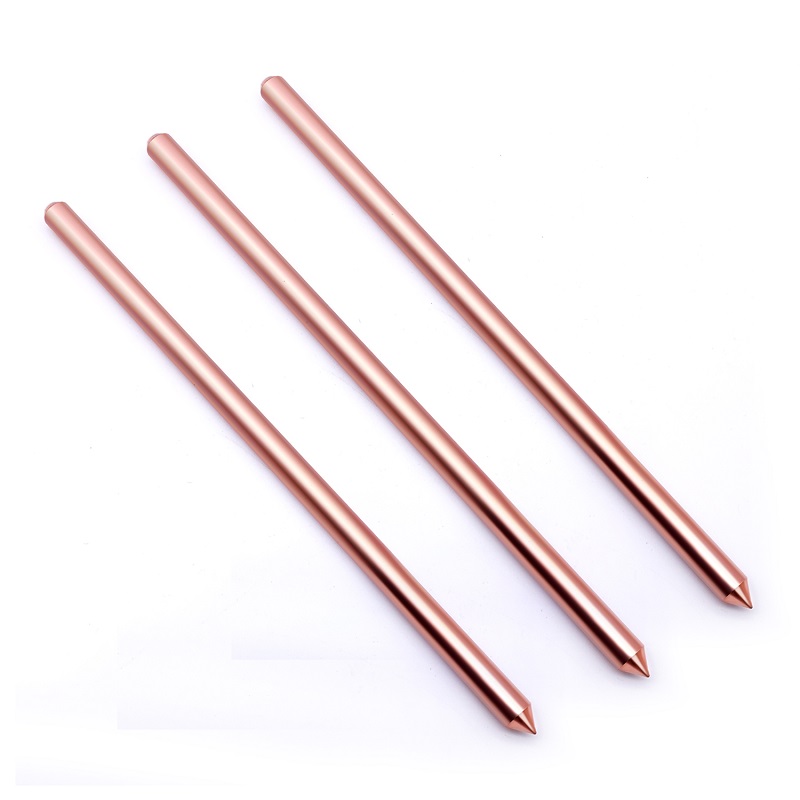
Advantages of Copper Grounding Rod Solid Copper Type
1. Excellent Electrical Conductivity
Copper has extremely low electrical resistivity, allowing the Copper Grounding Rod Solid Copper Type to quickly conduct and dissipate lightning currents and fault currents into the ground. It helps maintain stable grounding resistance over long-term operation and provides reliable lightning protection performance for critical electrical systems.
2. Superior Corrosion Resistance and Long Service Life
The solid copper structure provides excellent resistance against corrosion in underground environments. It performs well in humid soil, mildly saline-alkali areas and other challenging geological conditions. With slow corrosion rates and outstanding durability, it is suitable for grounding systems that require long-term stable operation.
3. Reduced Electrochemical Corrosion Risk
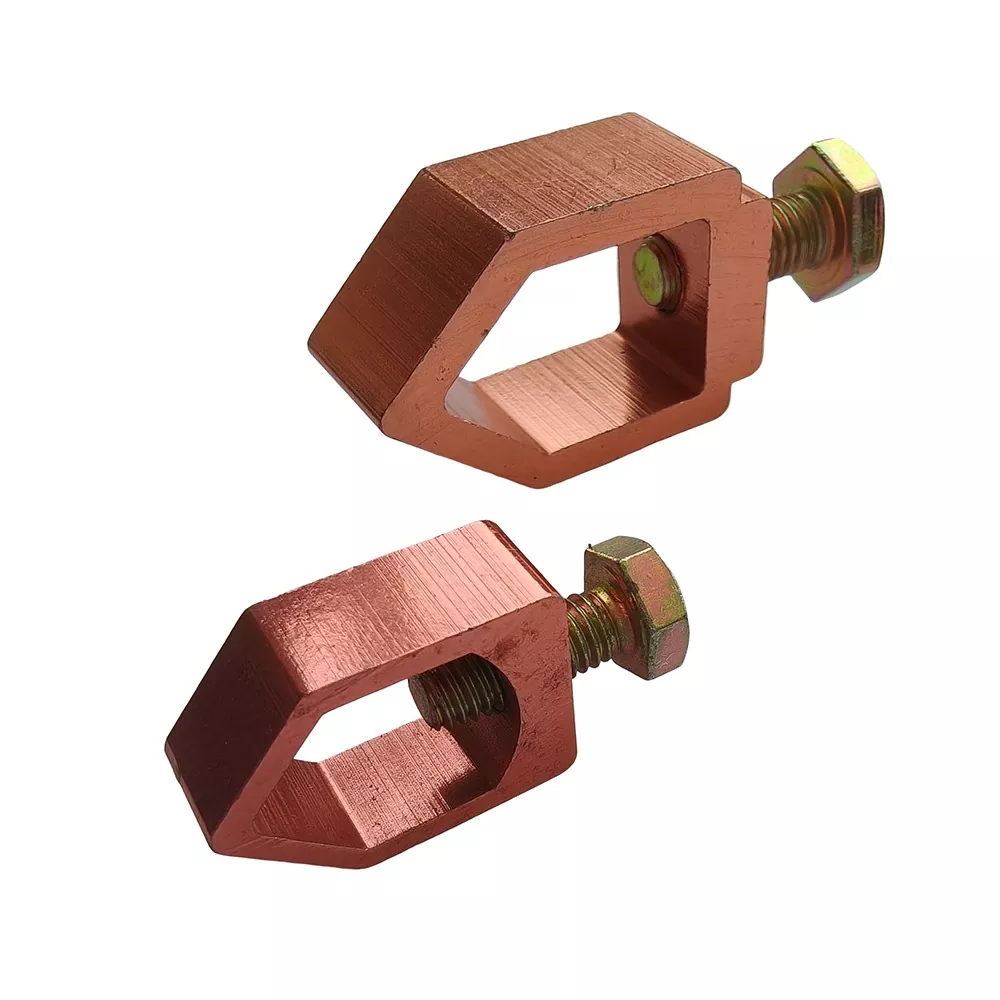
When used with copper grounding wires and copper connectors, the solid copper grounding system maintains consistent metal characteristics. This reduces the risk of electrochemical corrosion caused by contact between different metals, improving the overall reliability and service life of the grounding network.
Disadvantages of Copper Grounding Rod Solid Copper Type
1. Higher Material Cost
Due to the high price of copper raw materials, solid copper grounding rods have a higher initial investment compared with galvanized steel grounding rods and copper-clad grounding rods. For large-scale grounding projects requiring hundreds or thousands of pieces, material costs may significantly increase the overall project budget.
2. Lower Mechanical Strength During Installation
Pure copper is relatively soft compared with steel materials. When installing in hard soil layers containing gravel or rocks, directly driving solid copper grounding rods into the ground may cause bending or deformation. In such conditions, pre-drilling or professional installation methods are usually recommended, which may increase construction time.
3. Higher Theft Risk in Outdoor Applications
Copper has a high recycling value, which means solid copper grounding rods installed in remote outdoor locations may face a higher risk of theft. Proper protection measures and site management are recommended for exposed or unattended installation environments.
Solid Copper Grounding Rod for High-Standard Grounding Applications
Copper Grounding Rod Solid Copper Type combines excellent electrical conductivity, strong corrosion resistance and long-term stability. Although it requires higher initial investment and careful installation, its outstanding performance makes it an ideal choice for critical grounding projects that require high safety standards, reliable lightning protection and extended service life.
Recommended Applications
Solid copper grounding rods are commonly used in:
- Lightning protection grounding systems
- Power substations and electrical facilities
- Communication tower grounding projects
- Industrial equipment grounding
- Data centers and critical infrastructure grounding
- High-reliability earthing systems
Related News
- Why Is Flat Tape Conductor for Earthing System Widely Used in Grounding Projects?
- Why Are More Engineering Projects Choosing Graphene Coated Grounding Rods?
- Rare Earth Alloy Grounding Rod – Superior Corrosion Resistance & Stable Conductivity
- Electrolytic Grounding Rod for High-Resistivity Soil
- How Many Types of Stainless Steel Grounding Rods Are There?
- How do you choose between Zinc Coated Steel Grounding Rod, Copper Bonded Grounding Rod, and Solid Copper Grounding Rod?
Leave me a message