How do you choose between Zinc Coated Steel Grounding Rod, Copper Bonded Grounding Rod, and Solid Copper Grounding Rod?
Zinc Coated Steel Grounding Rod, Copper Bonded Grounding Rod, and Copper Grounding Rod Solid Copper Type are three commonly used grounding electrodes in modern grounding systems. Each type has different characteristics in terms of material structure, electrical conductivity, corrosion resistance, installation performance, service life, and cost.
Choosing the right grounding rod requires comprehensive consideration of soil conditions, project safety requirements, expected service life, and budget. A suitable grounding electrode can effectively improve grounding system stability and ensure long-term electrical safety.
I. Zinc Coated Steel Grounding Rod
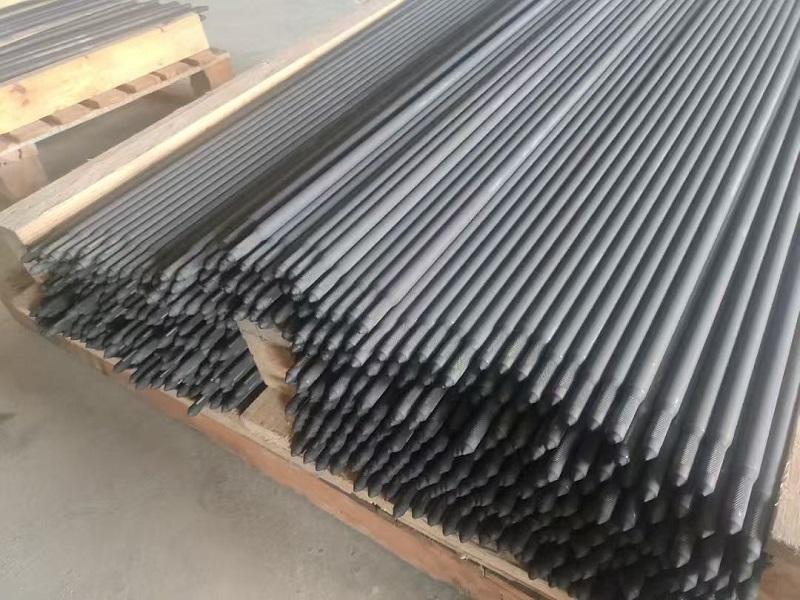
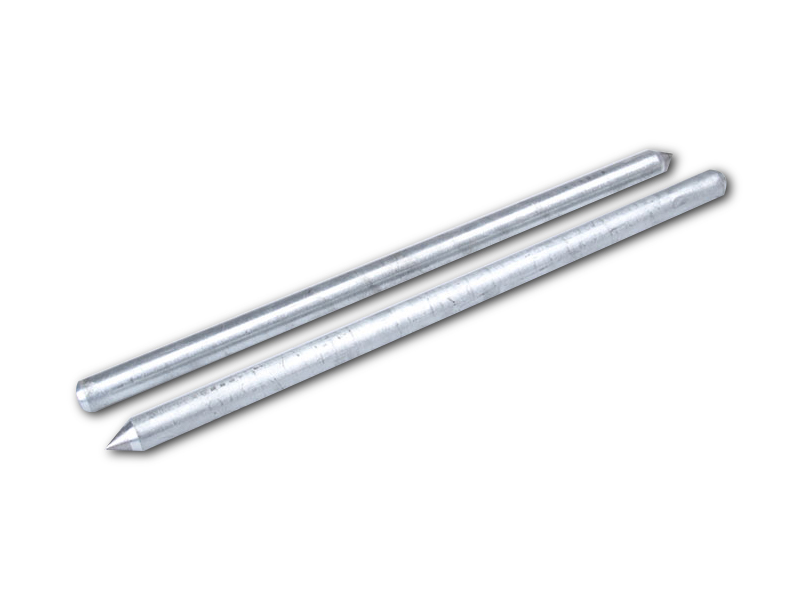
Zinc Coated Steel Grounding Rod is a traditional and economical grounding solution, featuring a steel core with a zinc coating layer that provides basic corrosion protection.
Advantages: Zinc coated steel grounding rods offer high mechanical strength, good impact resistance, and convenient installation. They can be directly driven into normal soil conditions, making them suitable for projects requiring cost control.
Limitations: Compared with copper-based grounding electrodes, their corrosion resistance and service life are relatively limited, especially in highly corrosive soil environments such as coastal areas or chemical zones.
Recommended Applications: Suitable for inland areas with neutral and low-corrosion soil, general building grounding, street lighting grounding, temporary construction site grounding, and other standard low-voltage grounding projects.
II. Copper Bonded Grounding Rod
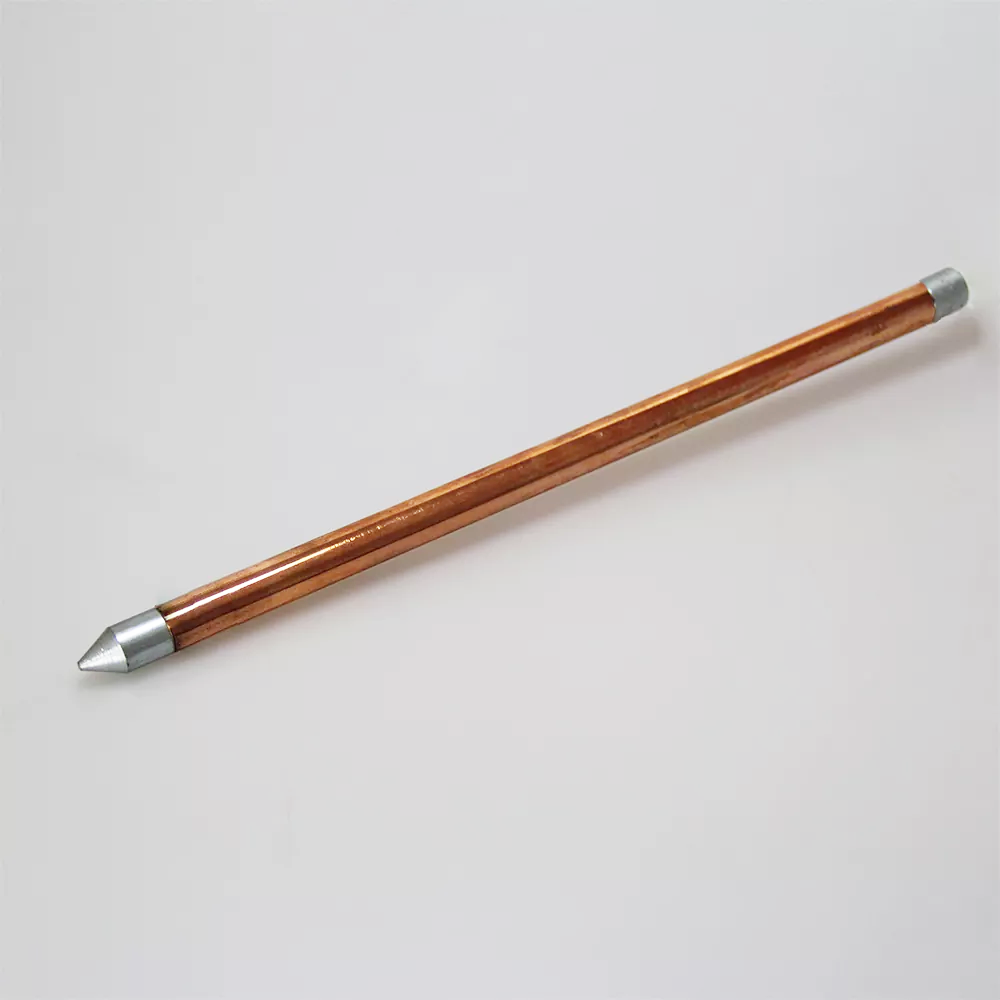
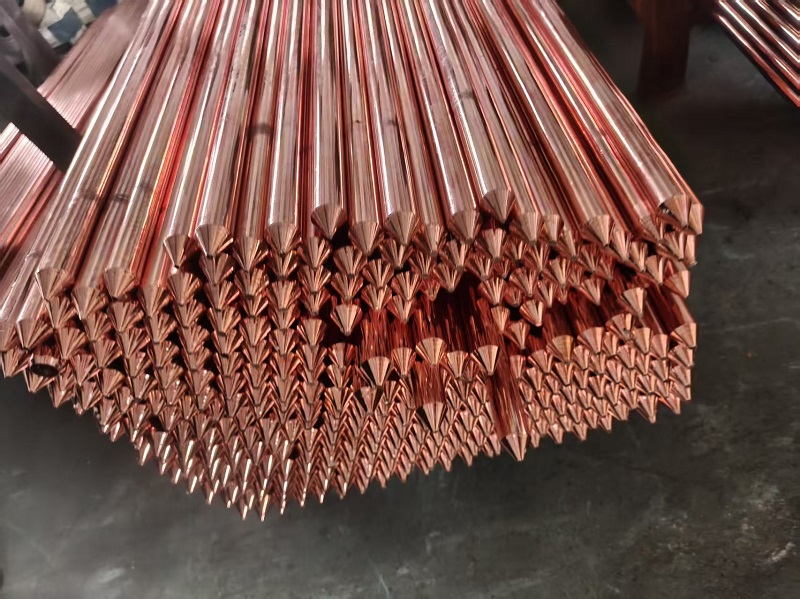
Copper Bonded Grounding Rod combines the mechanical strength of steel with the excellent electrical and corrosion-resistant properties of copper. It is manufactured by bonding a copper layer onto a high-strength steel core, creating a durable grounding electrode with balanced performance.
Advantages: The steel core provides excellent tensile strength and prevents bending during installation, while the copper outer layer ensures reliable conductivity and corrosion resistance. With a strong balance between performance and cost, copper bonded grounding rods have become one of the most widely used solutions in permanent grounding systems.
Important Consideration: When purchasing copper bonded grounding rods, buyers should pay attention to copper layer thickness and bonding quality. Poor-quality products may have insufficient copper adhesion, which can lead to copper layer cracking or peeling during installation and long-term use.
Recommended Applications: Widely used in photovoltaic power plants, telecommunication base stations, power distribution systems, building lightning protection, industrial facilities, and most conventional permanent grounding projects.
III. Solid Copper Grounding Rod
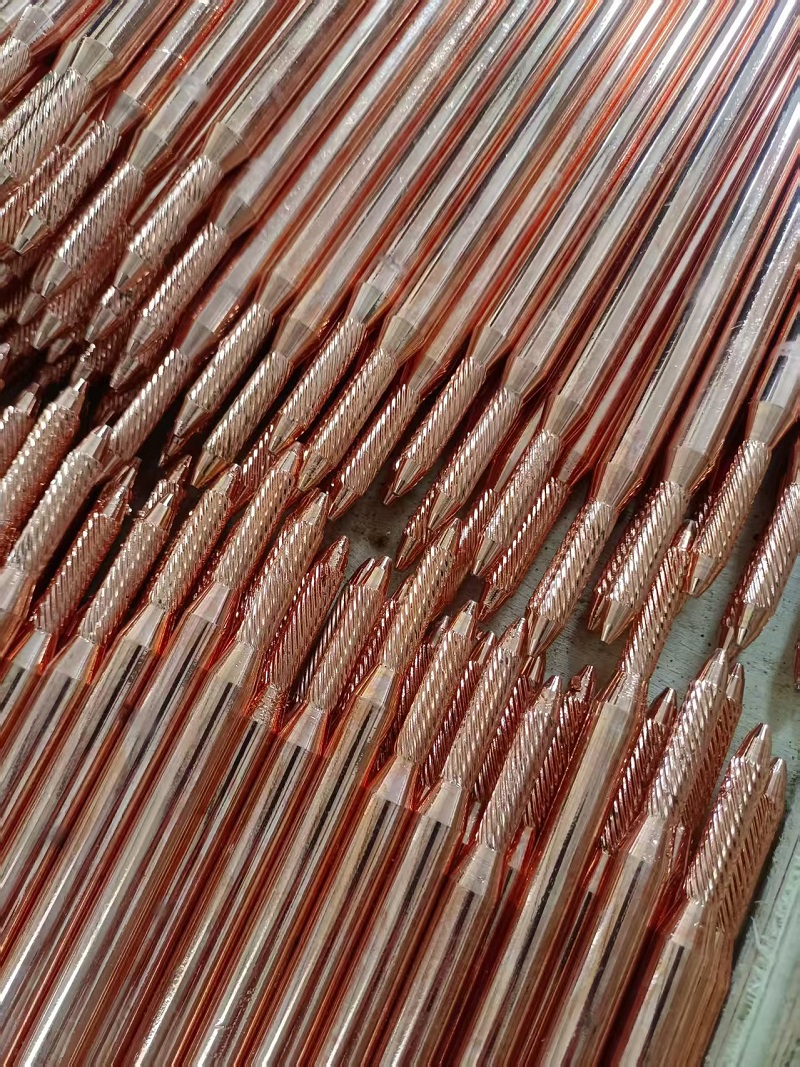
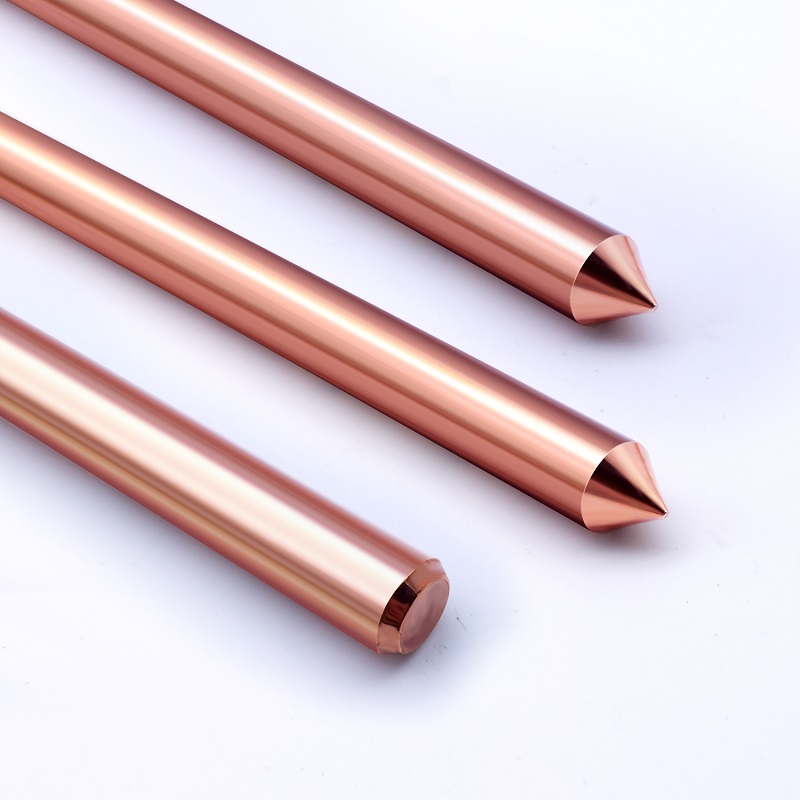
Copper Grounding Rod Solid Copper Type is a premium grounding electrode made from pure copper material, offering outstanding electrical conductivity and excellent resistance against corrosion.
Advantages: Solid copper grounding rods provide superior current conductivity, long-term corrosion resistance, and extended underground service life. The one-piece copper structure reduces the risk of electrochemical corrosion when used with copper grounding accessories, ensuring excellent grounding reliability for critical applications.
Limitations: Due to the higher price of copper raw materials, solid copper grounding rods have a higher initial investment cost. In hard rock or gravel soil conditions, pre-drilling may be recommended to avoid installation difficulties. Outdoor projects should also consider proper protection against theft.
Recommended Applications: Ideal for high-standard projects requiring maximum grounding reliability, including coastal areas with high corrosion levels, data centers, substations, petrochemical facilities, industrial power systems, and critical communication infrastructure.
How To Choose The Right Grounding Rod?
| Grounding Rod Type | Main Advantages | Best Application |
|---|---|---|
| Zinc Coated Steel Grounding Rod | Cost-effective, strong mechanical performance, easy installation | General buildings, street lighting, low-corrosion environments |
| Copper Bonded Grounding Rod | Balanced conductivity, corrosion resistance, and cost performance | Most permanent grounding projects, solar systems, communication facilities |
| Solid Copper Grounding Rod | Excellent conductivity, maximum corrosion resistance, longest service life | Critical projects, coastal areas, data centers, substations |
Final Selection Guide
Each grounding rod type has its own advantages and suitable application scenarios. Zinc Coated Steel Grounding Rod is the economical choice for standard grounding projects. Copper Bonded Grounding Rod provides the best balance between performance and cost, making it the preferred option for most engineering applications. Copper Grounding Rod Solid Copper Type delivers the highest performance and is designed for projects requiring maximum reliability and long service life.
By evaluating soil corrosiveness, project importance, installation conditions, and budget requirements, engineers and contractors can select the most suitable grounding rod solution to build a safer and more durable grounding system.
Related News
- Why Is Flat Tape Conductor for Earthing System Widely Used in Grounding Projects?
- Why Are More Engineering Projects Choosing Graphene Coated Grounding Rods?
- Rare Earth Alloy Grounding Rod – Superior Corrosion Resistance & Stable Conductivity
- Electrolytic Grounding Rod for High-Resistivity Soil
- How Many Types of Stainless Steel Grounding Rods Are There?
- Copper Grounding Rod Solid Copper Type: Advantages and Disadvantages
Leave me a message