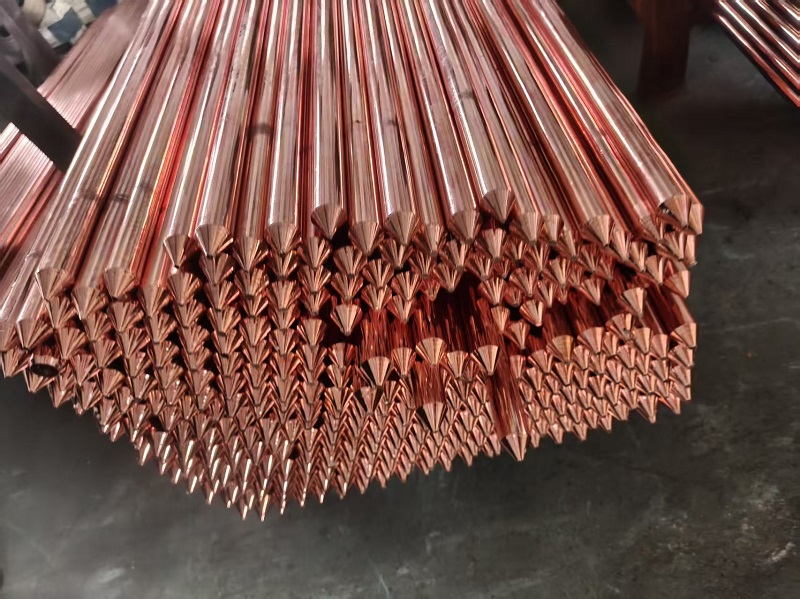
How Many Types of Stainless Steel Grounding Rods Are There?
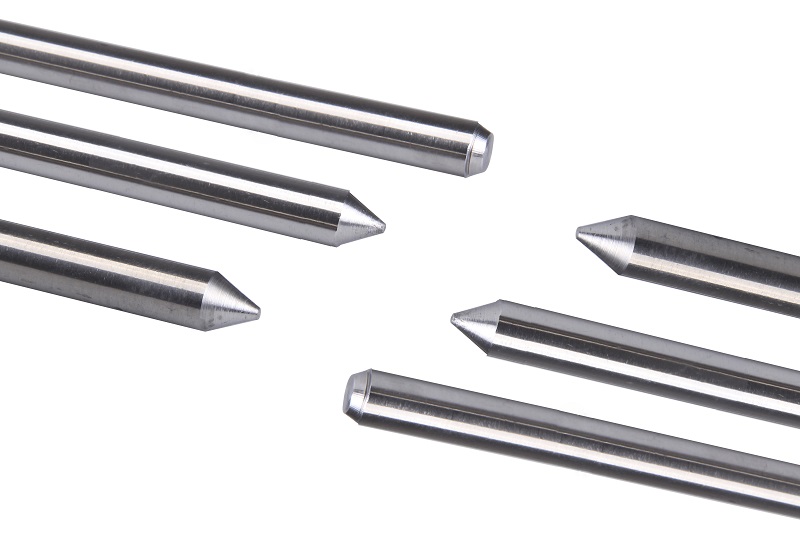
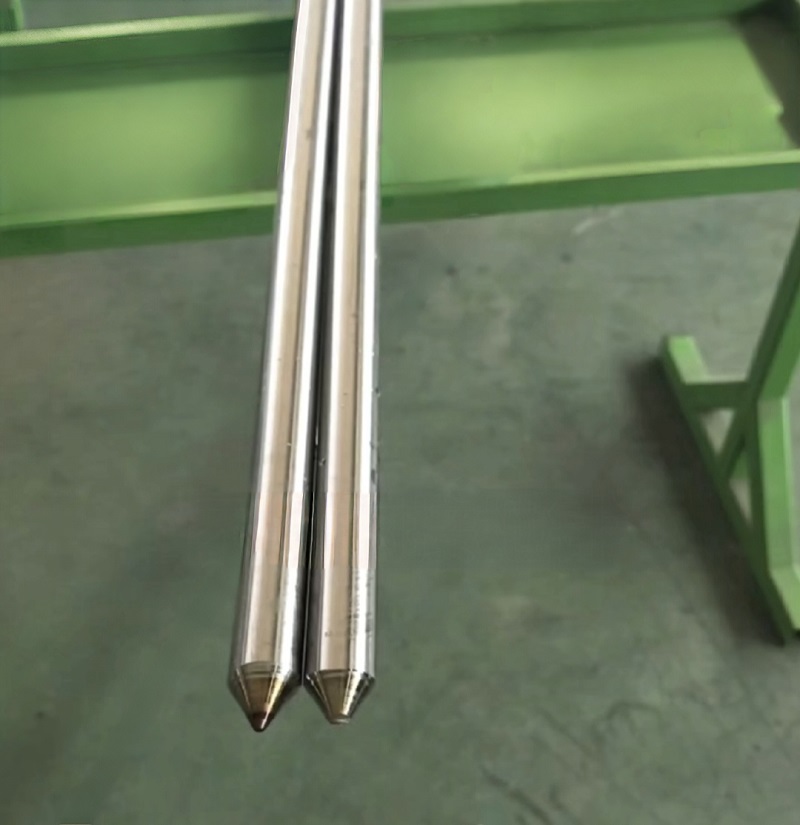
1. Stainless Steel Grounding Rod (Non-Threaded Type)
Advantages: The rod has greater overall strength and is less prone to breaking; installation is smoother, with less likelihood of getting stuck in the soil; it is less prone to accumulating dirt and grime, reducing the risk of corrosion; assembly is simple, minimizing potential connection failures; and it is less susceptible to damage from bumps and impacts during transportation and handling.
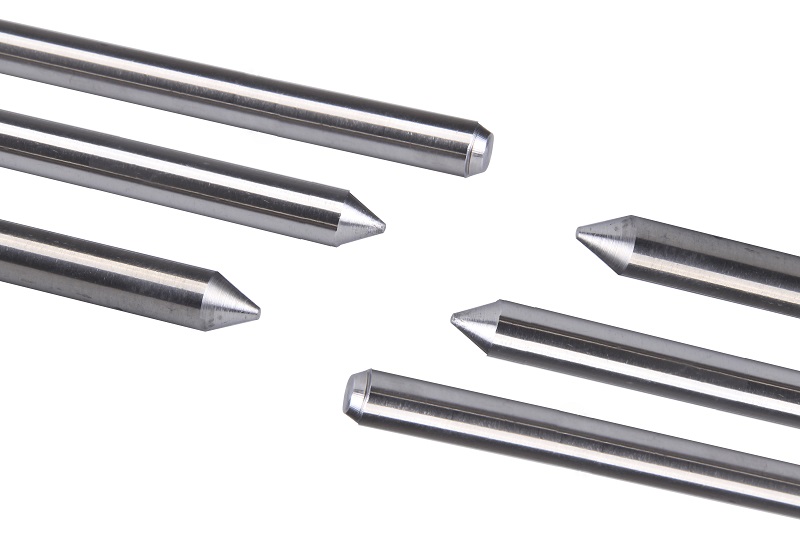
2. Threaded Stainless Steel Grounding Rod
Advantages: Can be freely extended by joining sections to accommodate different grounding depths; threaded connections provide a tight fit and ensure reliable electrical contact; simple on-site assembly and flexible installation; standardized components with high compatibility; stable connection structure and excellent pull-out resistance.
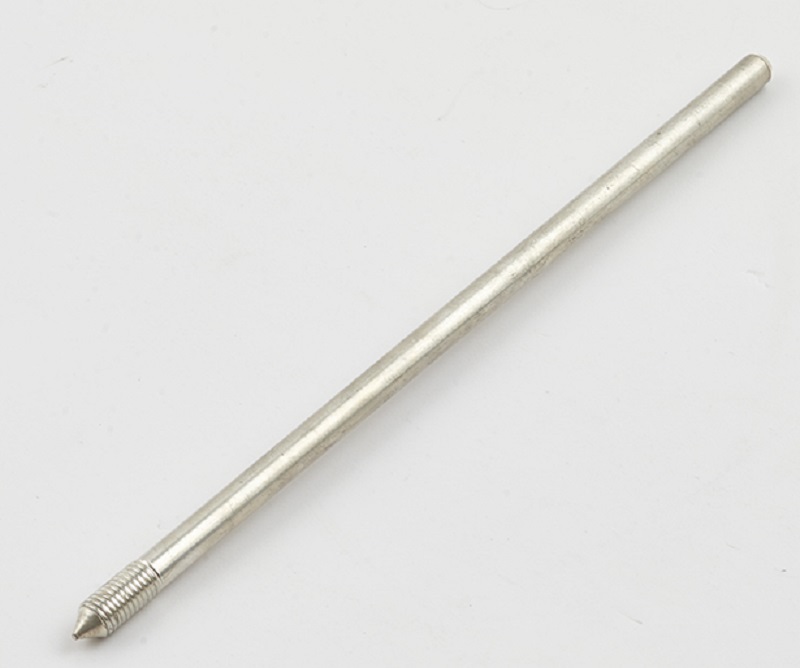
3. Non-Magnetic Stainless Steel Ground Rod
Advantages: Non-magnetic properties prevent electromagnetic interference; excellent corrosion resistance ensures a long service life when buried; high mechanical strength facilitates easy installation; stable conductivity ensures reliable dissipation of lightning currents; reduces the risk of eddy current heating.
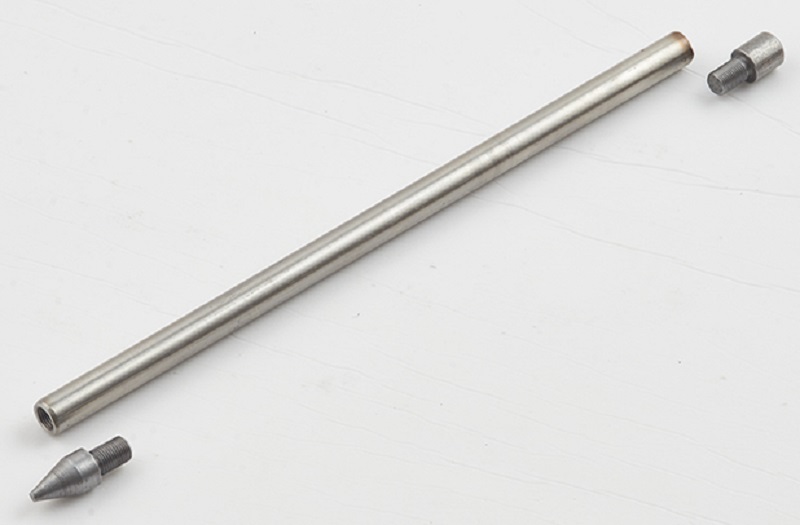
4. Stainless Steel-Clad Steel Grounding Rod
Advantages: High mechanical strength and excellent installability; outstanding corrosion resistance and long service life when buried; better overall cost-effectiveness than solid stainless steel grounding rods; strong metallurgical bonding that resists delamination; stable electrical conductivity that meets grounding and current dissipation requirements.
Grounding for a Stable Foundation, Lightning Protection for the Core—For Lightning Protection, Choose Saintni—Safety at Your Fingertips!
Related News
- Why Is Flat Tape Conductor for Earthing System Widely Used in Grounding Projects?
- Why Are More Engineering Projects Choosing Graphene Coated Grounding Rods?
- Rare Earth Alloy Grounding Rod – Superior Corrosion Resistance & Stable Conductivity
- Electrolytic Grounding Rod for High-Resistivity Soil
- How do you choose between Zinc Coated Steel Grounding Rod, Copper Bonded Grounding Rod, and Solid Copper Grounding Rod?
- Copper Grounding Rod Solid Copper Type: Advantages and Disadvantages
Leave me a message