Is Installing a Lightning Rod Alone Enough to Ensure Complete Safety? Saintni Lightning Protection Helps You Understand Lightning Rods
When it comes to lightning protection, many people immediately think of a Lightning Rod. In common understanding, a tall metal rod represents complete lightning protection. However, in professional engineering applications, a Lightning Rod is only the first step of direct lightning protection, not a complete lightning protection system.
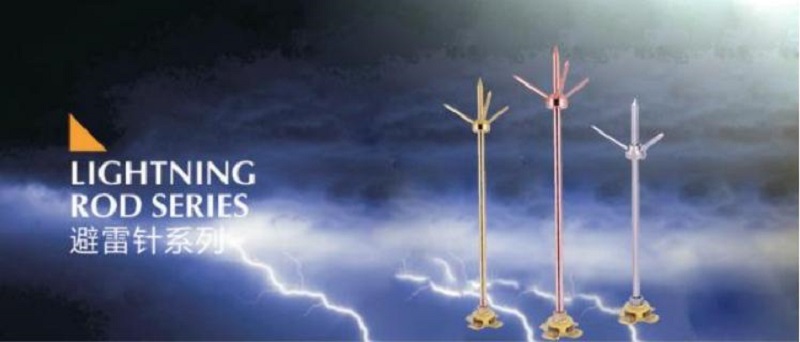
A reliable lightning protection system requires a complete current discharge path, allowing lightning energy to safely flow from the air terminal through the down conductor and finally into the earth. If any part of this path is incomplete, or if the grounding system does not meet safety requirements, the lightning current may cause equipment damage, fire hazards, or safety risks.
1. What Are the Common Types of Lightning Rods?
Different engineering environments require different types of Lightning Rods. Common lightning rod products include:
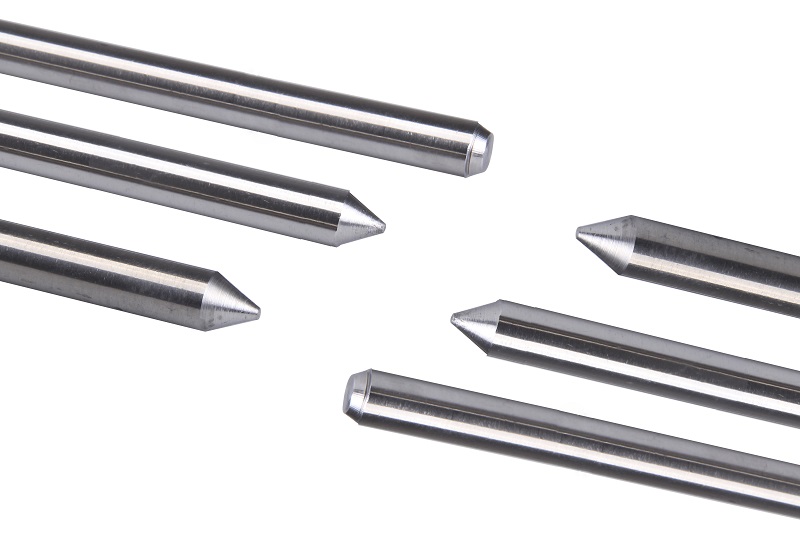
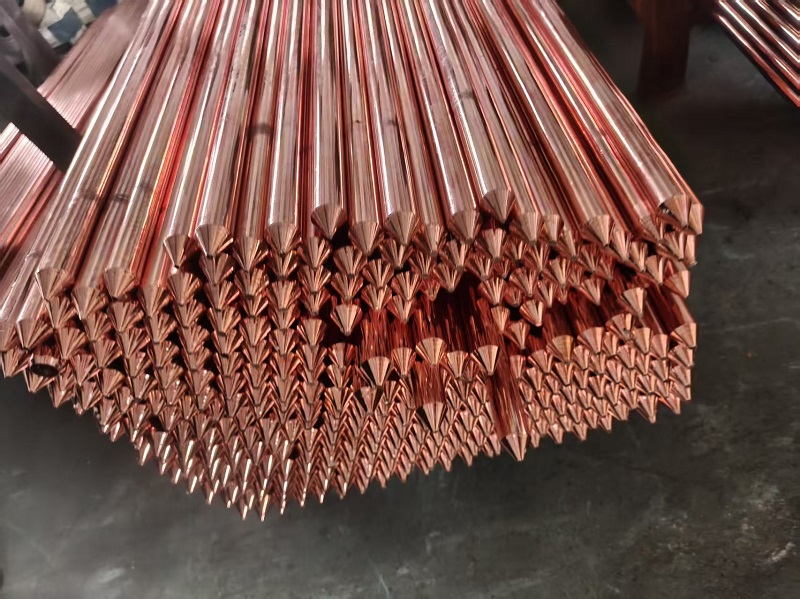
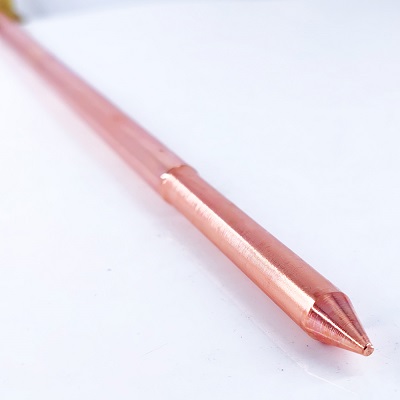
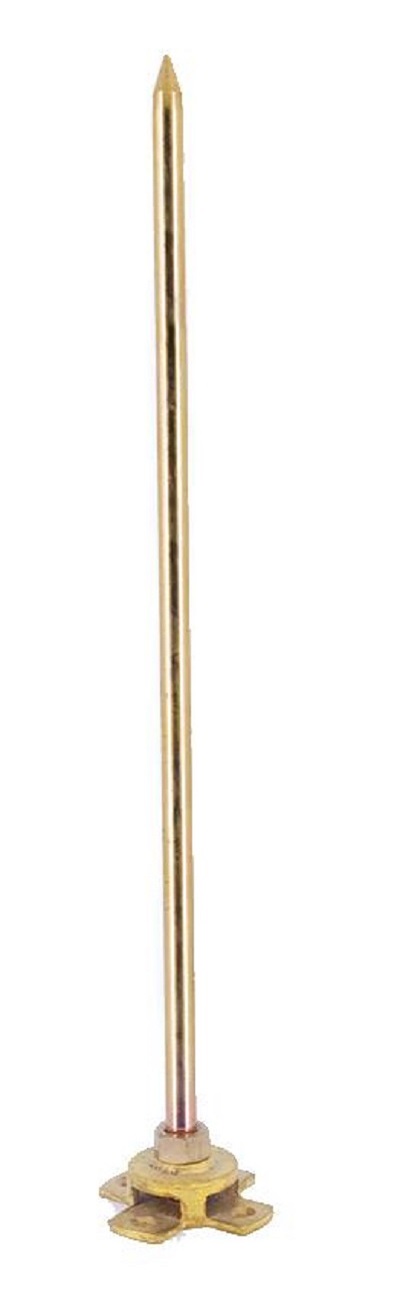
- Copper Lightning Rod – Excellent electrical conductivity and corrosion resistance, suitable for long-term outdoor lightning protection applications.
- Brass Lightning Rod – Provides good mechanical strength and corrosion resistance, commonly used in various industrial lightning protection projects.
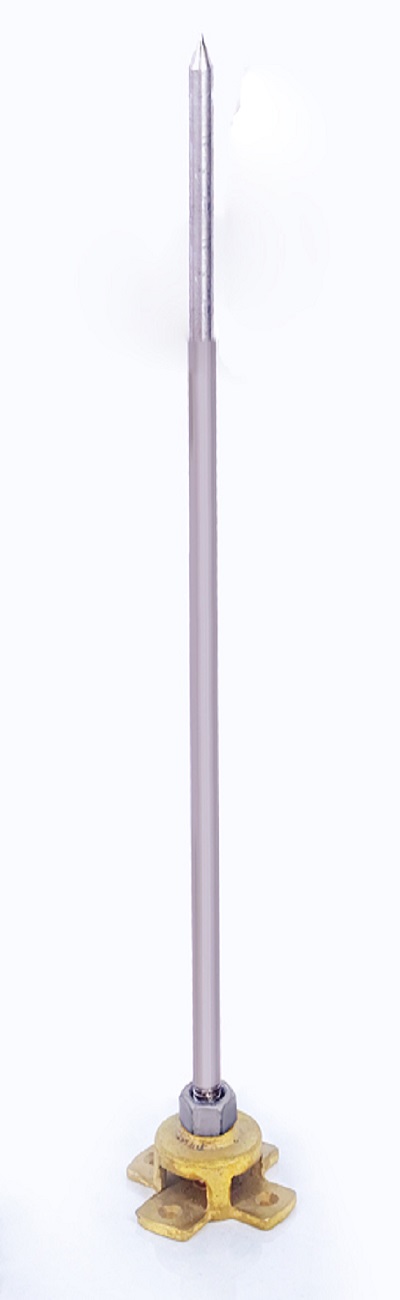
- Aluminum Lightning Rod – Lightweight with good conductivity, suitable for applications requiring reduced structural load.
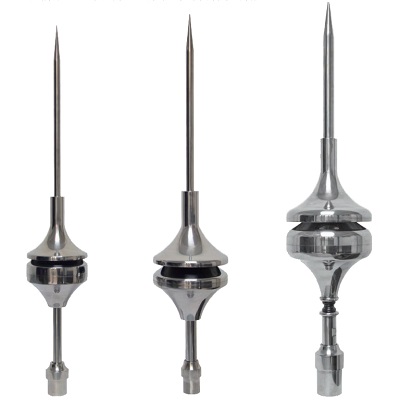
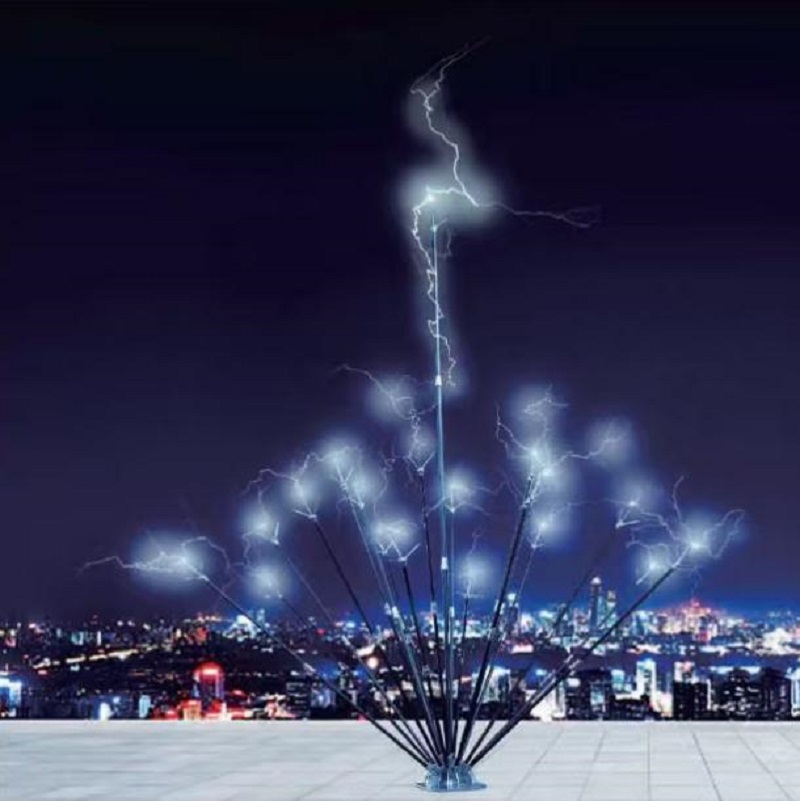
- Early Streamer Emission (ESE) Lightning Rod – Designed to provide an extended protection radius by controlling the upward leader emission time, widely used in large-scale protection projects.
2. Common Misunderstandings About Lightning Rod Installation
1. Simply Welding a Steel Bar into the Ground Is Not Proper Grounding
Grounding is not simply about burying a metal object underground. A qualified grounding system requires proper grounding electrode specifications, sufficient conductor cross-sectional area, reliable connection technology, and a grounding resistance value that meets project standards.
Poor-quality connections or undersized conductors may generate excessive heat and fail instantly during a lightning strike. For high-resistance soil conditions, additional solutions such as resistance-reducing compounds may be required to improve current dispersion performance.
2. A Higher Lightning Rod Does Not Always Mean a Larger Protection Range
The protection range of a Lightning Rod is determined through professional calculations, such as the rolling sphere method specified in GB50057, rather than simply increasing the height of the rod.
An excessively high lightning rod may increase conductor inductance, raise the risk of side flash or counter-strike effects, and increase installation costs. The optimal height and installation location should be determined according to the actual building structure and protection requirements.
3. More Lightning Rods Do Not Always Provide Better Protection
Multiple lightning rods require scientific design and accurate spacing calculations. Improper arrangement may create protection blind spots, cause unnecessary overlap of protection areas, waste materials, or affect the local electric field distribution.
A professional lightning protection design should consider building structure, surrounding environment, lightning risk level, and grounding conditions.
3. What Are the Benefits of Installing a Lightning Rod?
- Protection Against Direct Lightning Strikes: Helps prevent buildings from being directly hit and damaged by lightning.
- Equipment Protection: Reduces the risk of damage to electrical equipment, communication systems, and industrial facilities.
- Personnel Safety Protection: Helps reduce the risk of lightning-related injuries in outdoor environments.
- Reduced Secondary Disasters: Improves operational safety and helps maintain production continuity.
Complete Lightning Protection Solutions from Saintni
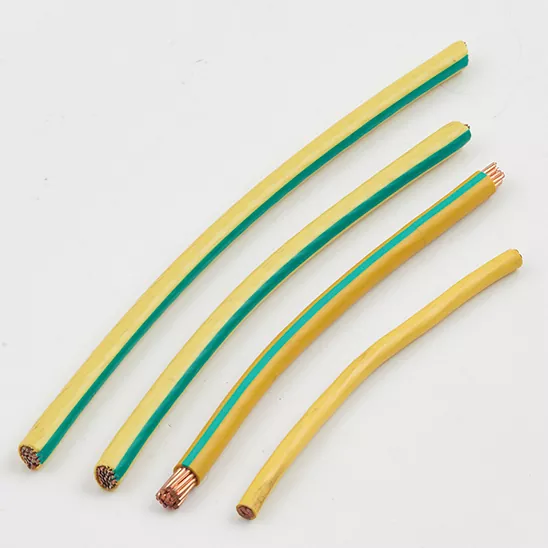
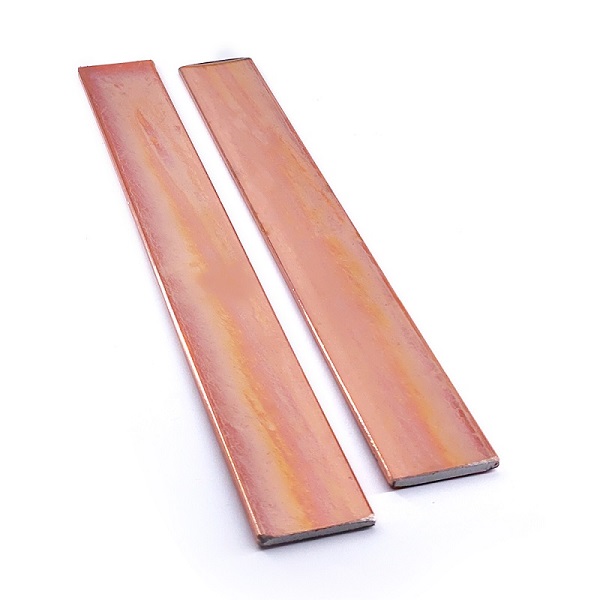
Saintni Lightning Protection focuses on complete grounding and lightning discharge solutions, providing a full range of supporting products including grounding rods, grounding conductors, grounding connectors, resistance-reducing agents, ionic grounding electrodes, and grounding busbars.
Combined with Lightning Rod air terminals, Saintni solutions create a complete lightning protection chain from lightning interception → current conduction → safe grounding discharge. These solutions are widely applied in telecommunications, power systems, petrochemical facilities, railway projects, defense industries, and other engineering fields.
A Lightning Rod provides the first line of defense, but a complete grounding system determines the final safety performance. Reliable grounding builds a strong foundation for lightning protection.
For professional lightning protection solutions, choose Saintni Lightning Protection — bringing safety closer to every project.
Related News
- Why Is Flat Tape Conductor for Earthing System Widely Used in Grounding Projects?
- Why Are More Engineering Projects Choosing Graphene Coated Grounding Rods?
- Rare Earth Alloy Grounding Rod – Superior Corrosion Resistance & Stable Conductivity
- Electrolytic Grounding Rod for High-Resistivity Soil
- How Many Types of Stainless Steel Grounding Rods Are There?
- How do you choose between Zinc Coated Steel Grounding Rod, Copper Bonded Grounding Rod, and Solid Copper Grounding Rod?
Leave me a message