



Lightning Neutralizing Air Terminal
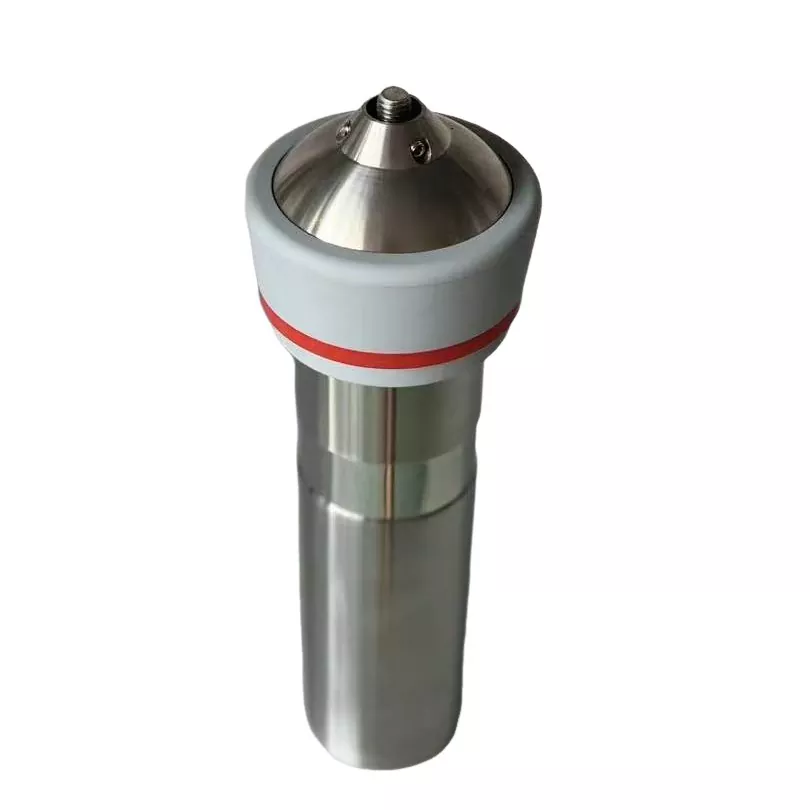
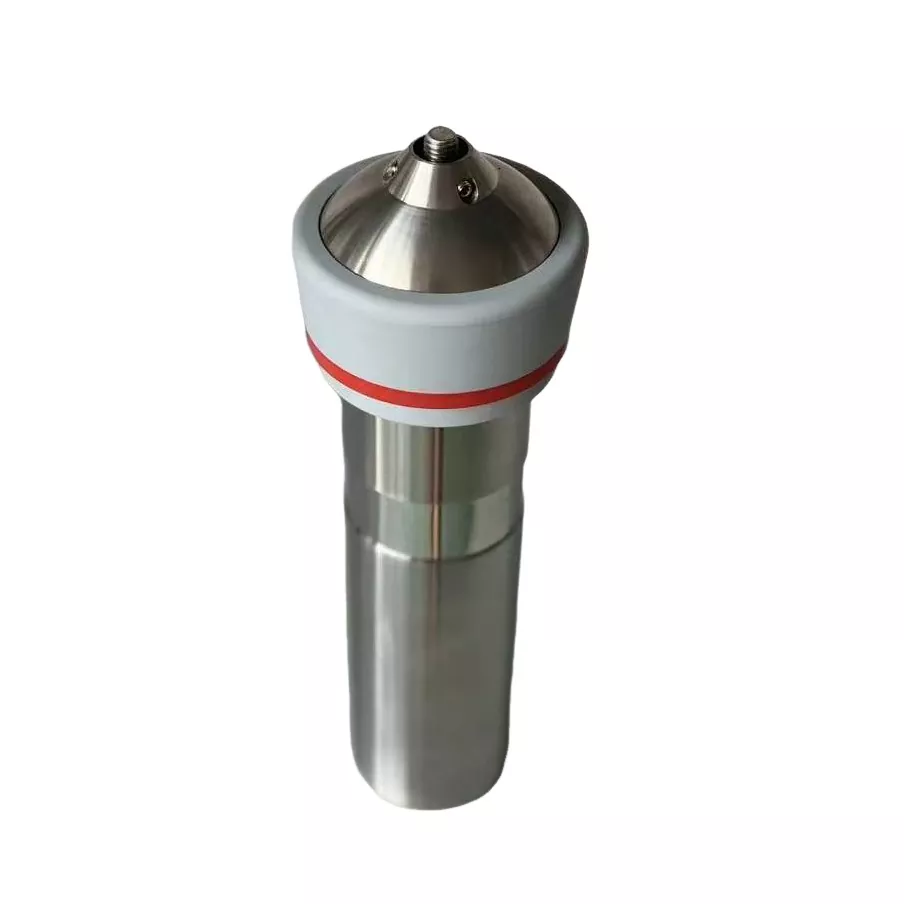
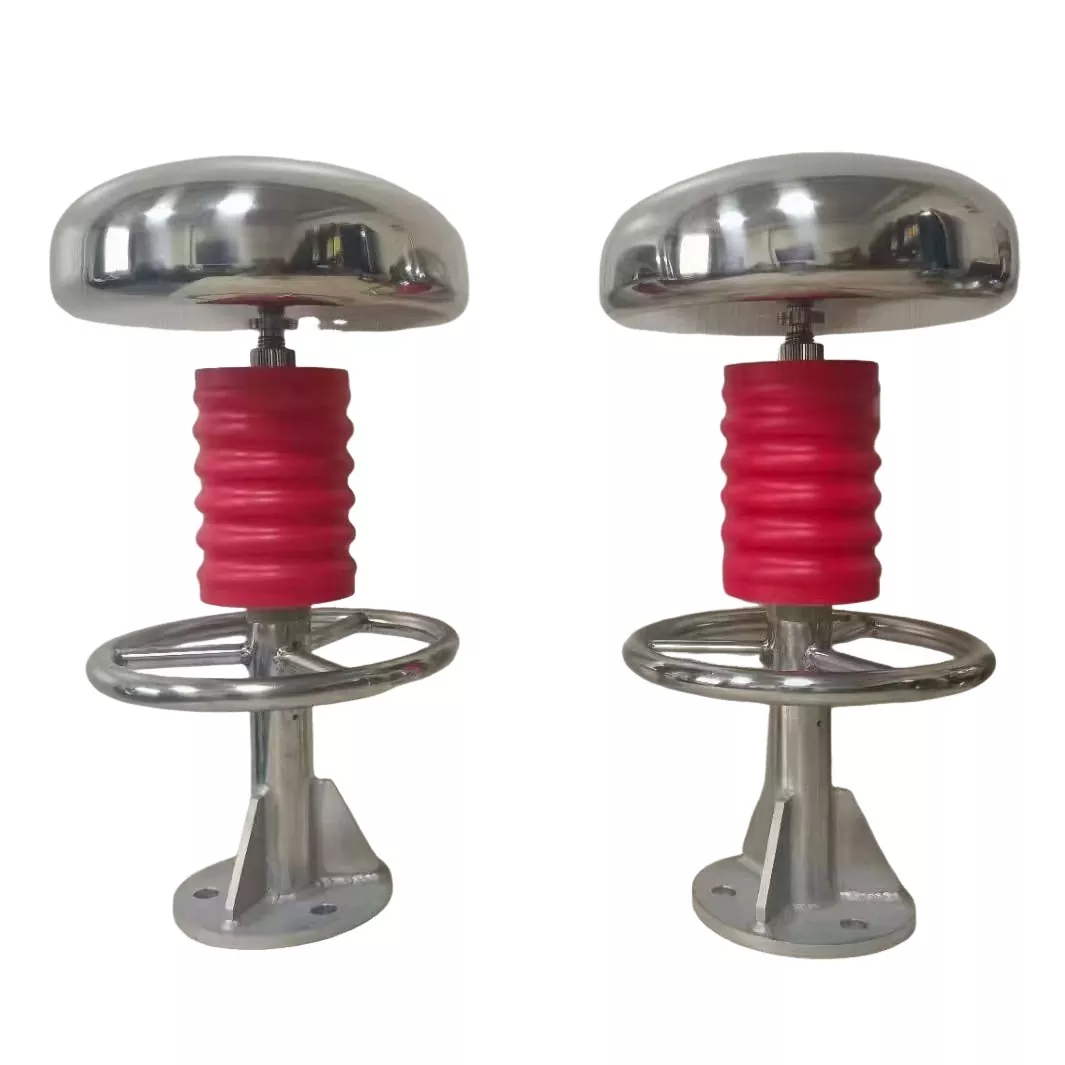
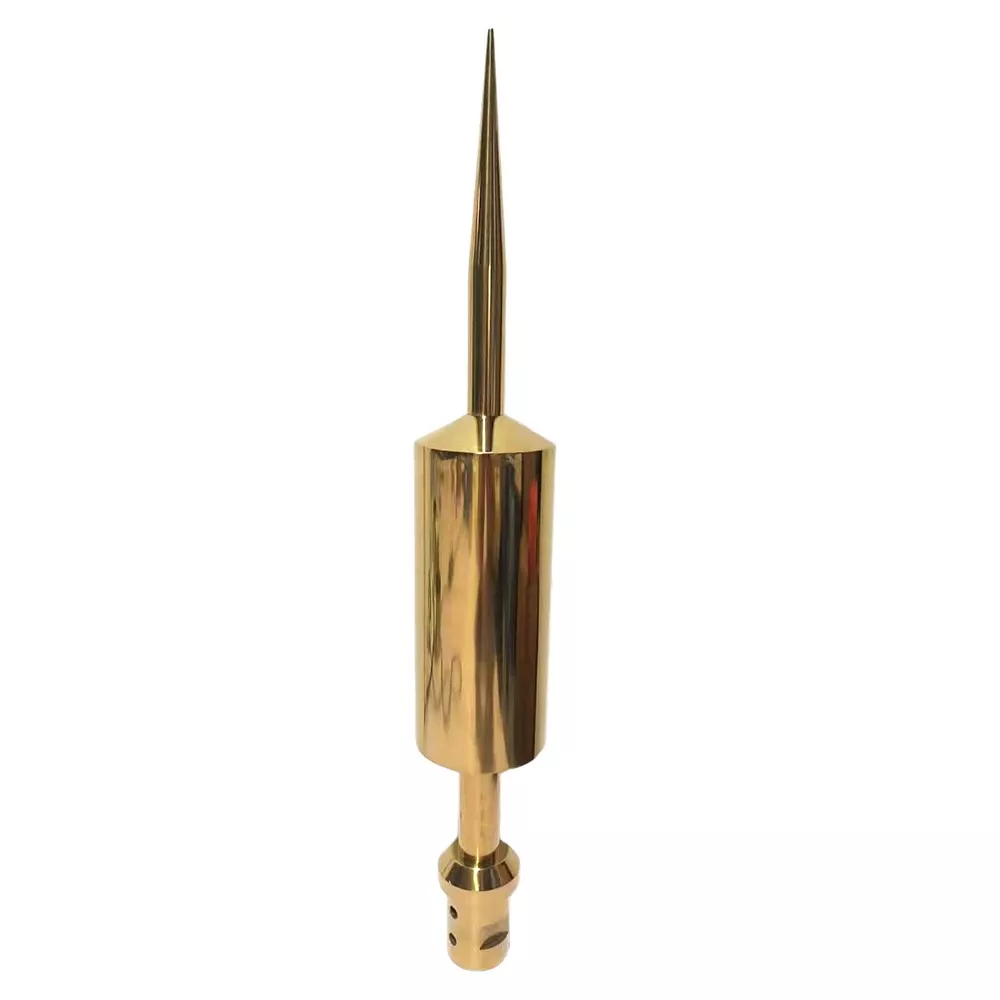
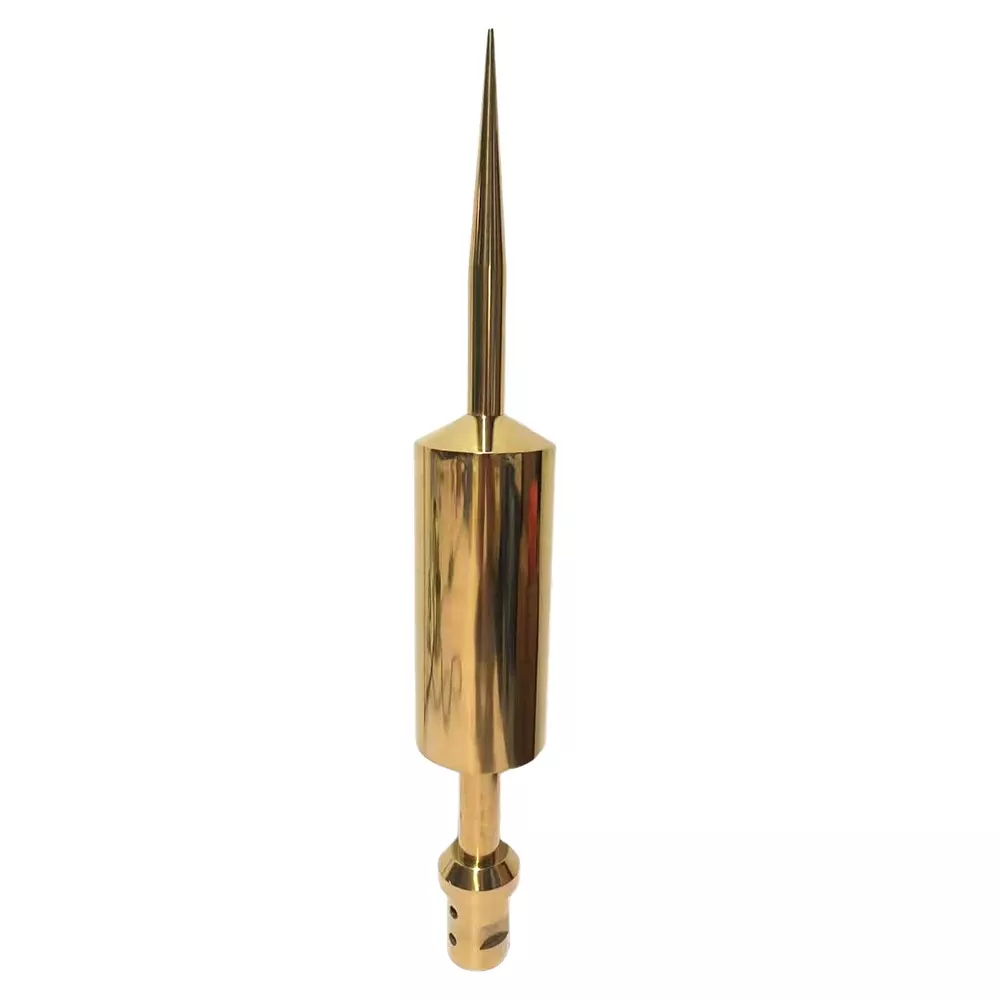
Saint Ni Lightning Protection Lightning Neutralizing Air Terminal uses a passive multi-needle corona discharge structure combined with nonlinear current-limiting technology to reduce lightning impact at the source and control residual lightning current when direct strikes occur. Designed for substations, transmission lines, communication towers, bridges, weather radar and other large outdoor structures, it provides a wide protection range while reducing installation and maintenance requirements.
Saint Ni Lightning Protection manufactures Lightning Neutralizing Air Terminal systems for large outdoor structures exposed to frequent lightning activity. The system combines a multi-needle corona discharge structure with nonlinear current-limiting technology to reduce direct lightning exposure and control residual lightning current when a strike occurs.
With a wide protection range, wind resistance up to 50 m/s, and a passive physical design without conventional electronic components, it is suitable for substations, transmission lines, communication towers, weather radar stations, bridges, and other critical infrastructure. Saint Ni Lightning Protection supports standard and customized configurations together with grounding-system solutions for different project conditions.
Working Principle
Corona Charge Neutralization
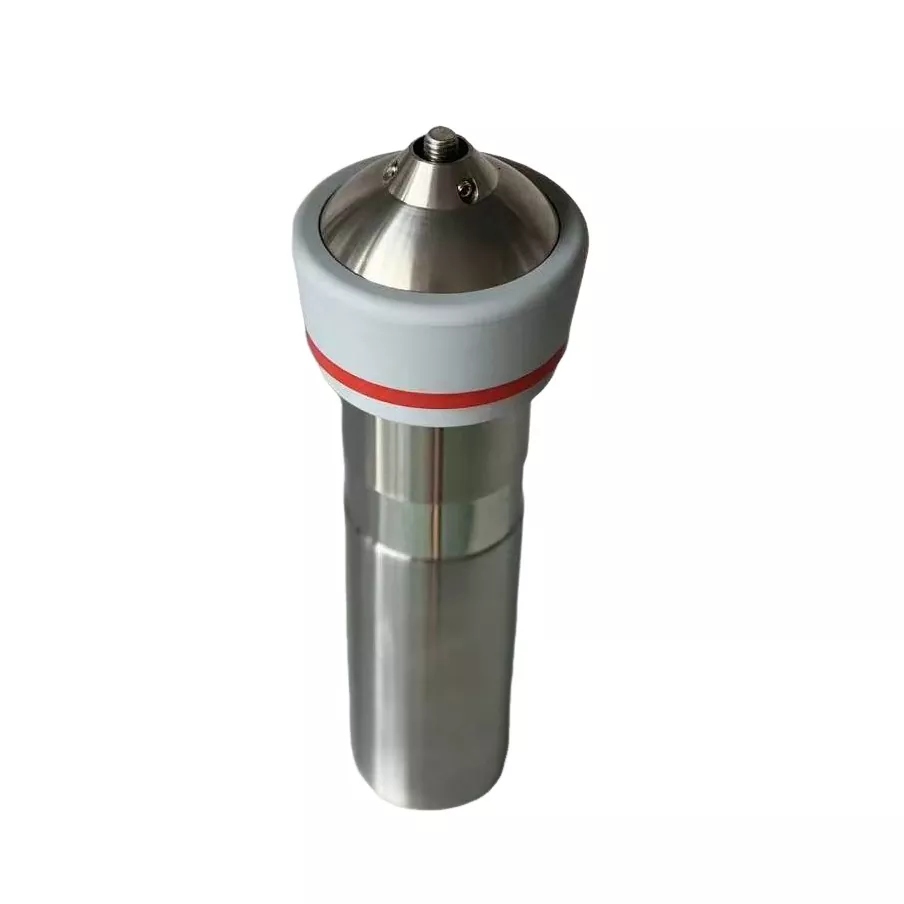
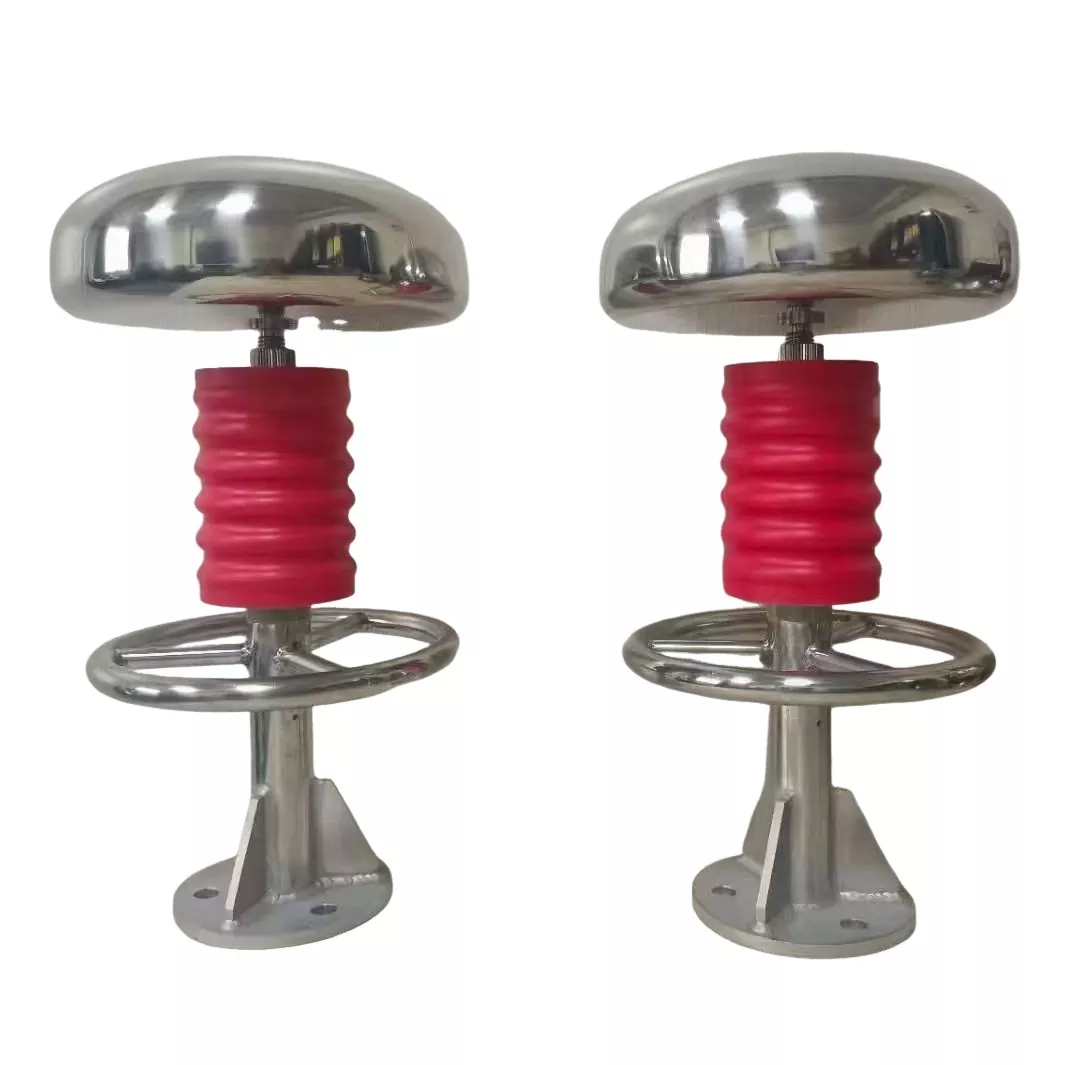
The multi-needle electrode array is the primary working section of the system. Under the electric field generated by an approaching thundercloud, the sharp electrodes produce corona discharge and release opposite-polarity charges into the surrounding atmosphere. This helps reduce local electric-field concentration and weaken the development conditions for a downward lightning leader.
Nonlinear Current Limiting
If lightning attachment still occurs, the nonlinear current-limiting section provides a second protection stage. The lightning current is restricted and its discharge process is extended, helping reduce current amplitude, current steepness, induced overvoltage, and secondary electrical stress on connected equipment.
According to the supplied project data, the system can reduce direct lightning strike frequency by approximately 75% under applicable conditions, while the measured current amplitude in the limiting process can be reduced to approximately 4.38% of the original value. Actual performance depends on installation height, surrounding structures, grounding conditions, atmospheric environment, and system design.

Key Features
Wide Protection Coverage
The multi-electrode arrangement provides a broad protection area compared with a conventional single air terminal of similar height. This can help reduce the number of protection points required on large structures and simplify the overall lightning protection layout.
Two-Stage Protection
The system combines corona charge neutralization with nonlinear current limiting. It is designed to reduce direct lightning attachment where conditions permit and control lightning energy when a strike cannot be avoided, providing an additional protection approach for facilities with high lightning exposure.
Harsh-Site Compatibility
The Lightning Neutralizing Air Terminal can be applied in areas with high soil resistivity, mountainous terrain, coastal salt exposure, and other challenging site conditions when the complete grounding system is correctly designed. This makes it suitable for infrastructure where conventional grounding and maintenance can be difficult.
Passive Construction
The system uses a passive physical structure without conventional electronic control components. It does not rely on external power for its basic operating principle, helping simplify installation and long-term outdoor operation at remote sites.
Wind Resistance
The structural design supports wind speeds of up to 50 m/s, making it suitable for exposed towers, bridges, power facilities, and other elevated installations subject to strong wind conditions.
Project Application
Power Facilities
The Lightning Neutralizing Air Terminal can be used around transmission lines, substations, outdoor switchgear, and other power infrastructure where lightning strikes and induced overvoltage may affect electrical and control equipment. The grounding system should be designed together with the terminal to provide an appropriate discharge path.
Communication Infrastructure
Communication towers, microwave stations, and other elevated communication facilities are frequently exposed to atmospheric electrical activity. The system can be incorporated into the external lightning protection arrangement to reduce lightning exposure and help protect sensitive communication equipment from secondary effects.
Bridges and Large Structures
Large bridges, high pylons, towers, and other exposed structures can require wide-area lightning protection with limited maintenance access. The passive design and large protection coverage make the system suitable for these applications when the installation is engineered according to site conditions.
Remote Infrastructure
For weather radar stations, remote monitoring facilities, mountainous infrastructure, and other locations where regular maintenance is difficult, a passive lightning protection system can reduce dependence on local power and frequent servicing.
Installation Considerations
Installation Position
Installation location has a direct influence on the effective protection area. The terminal should normally be positioned at a suitable high point with limited obstruction from nearby mountains, buildings, towers, or other structures. For mountainous projects, surrounding terrain should be considered during the protection-zone design.
Grounding Connection
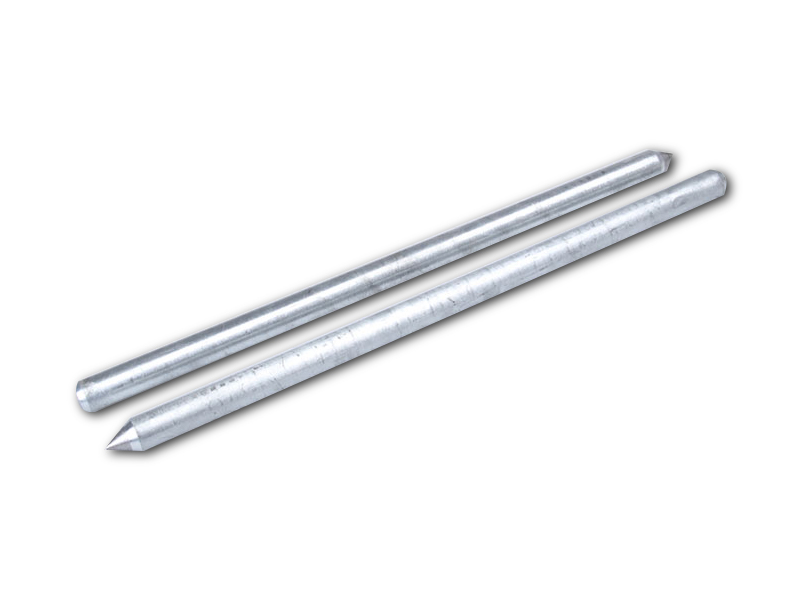
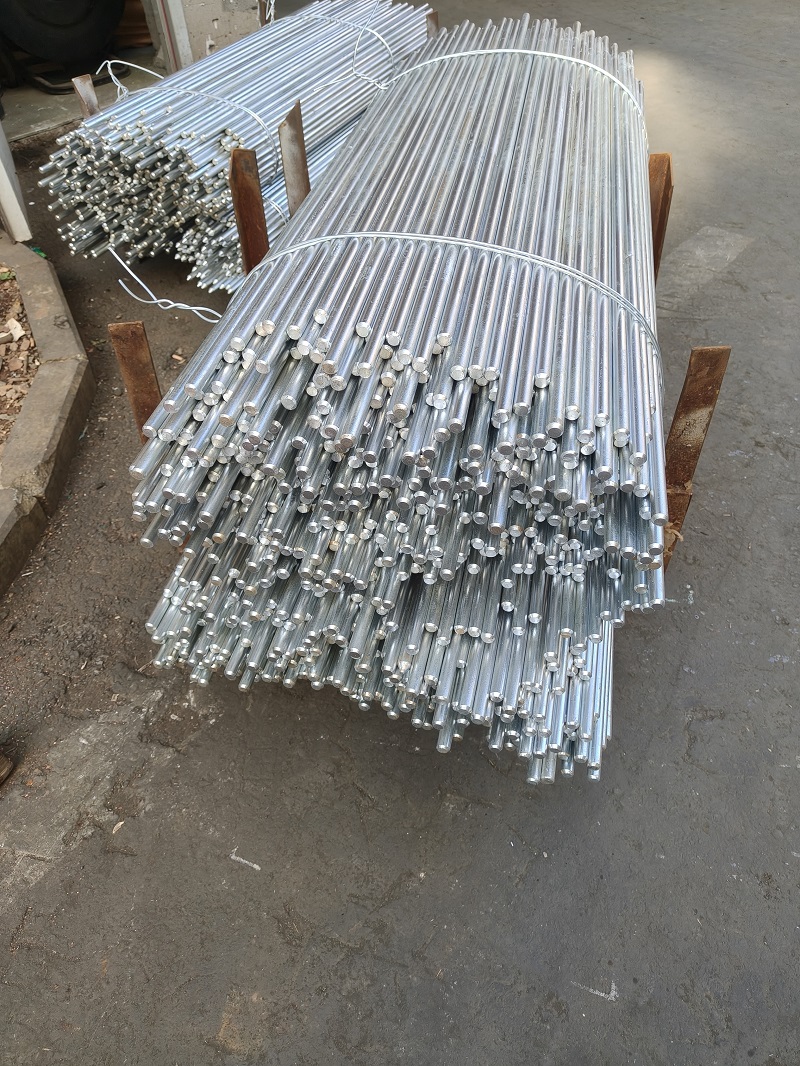
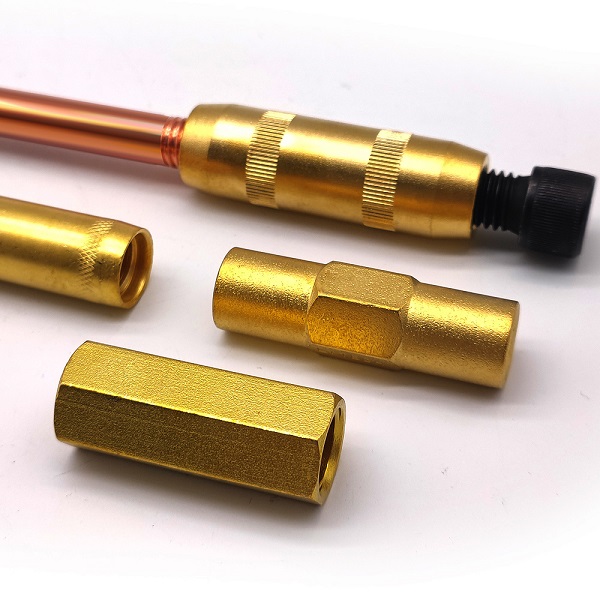
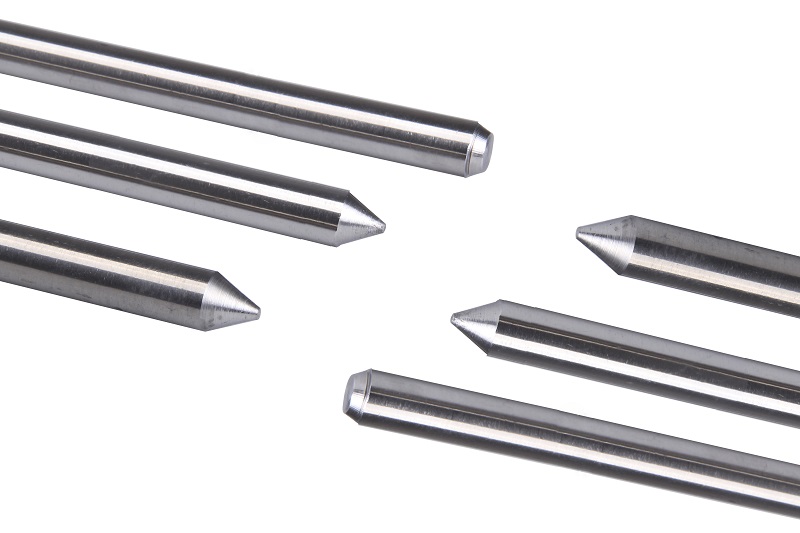
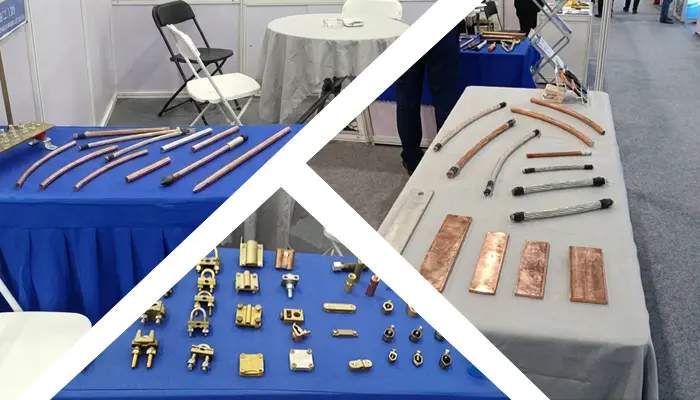
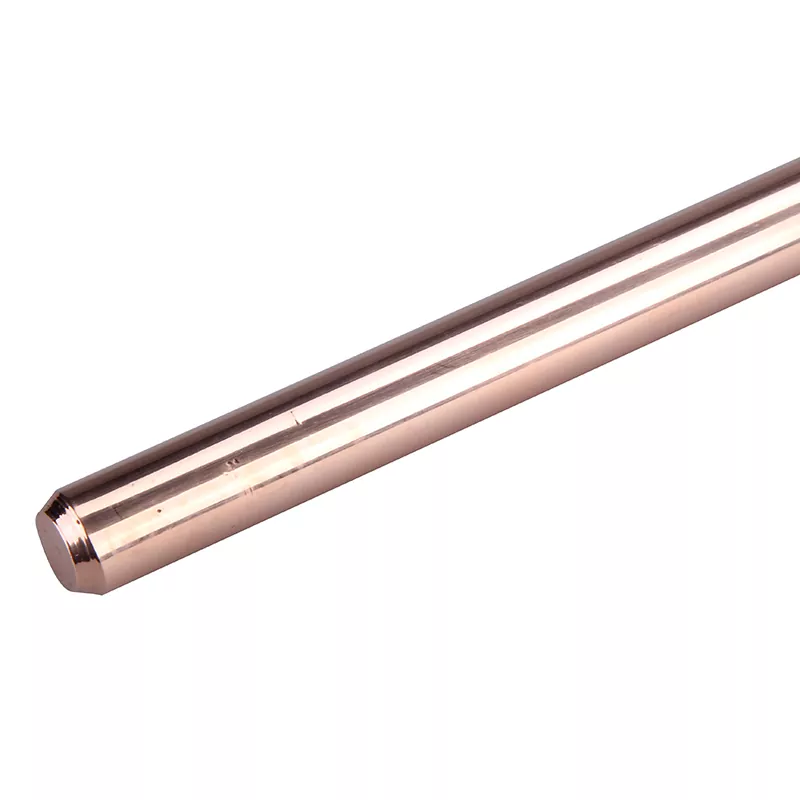
The grounding system should be designed together with the terminal rather than treated as an independent component. Depending on site conditions, nano-carbon grounding strips, nano-carbon grounding rods, or other suitable grounding materials can be selected to establish a stable discharge path.
Waterproofing and Connections
At the mounting flange, outdoor weather-resistant sealant should be used where waterproofing is required. Mechanical connections should be properly tightened, while aluminum-to-copper or other dissimilar-metal connections should include suitable isolation measures to reduce galvanic corrosion.
Project Case
Vietnam Mekong River Cross-Sea Bridge
A large cross-sea bridge in southern Vietnam is located in a tropical thunderstorm region with approximately 108 thunderstorm days per year. High bridge towers, seawater intrusion, saline soil, and difficult maintenance conditions created significant challenges for conventional lightning protection.
Saint Ni Lightning Protection installed the system on all 12 main bridge towers, combining corona discharge, nonlinear current limiting, and a nano-carbon grounding system. After two years of operation, direct lightning strikes decreased by approximately 74%, while lightning-related equipment failures were reduced to zero during the recorded period. The grounding system also showed no visible corrosion or significant resistance drift, reducing the need for frequent maintenance.
Testing & Certification
Saint Ni Lightning Protection manufactures the product under GB/T19001-2016 / ISO9001:2015 quality management and GB/T24001-2016 / ISO14001:2015 environmental management systems. Each unit can undergo high-voltage, salt-spray, and wind-load testing according to project requirements, with relevant technical and testing documents available for engineering review.
Standard models are available for regular projects, while customized specifications can be provided according to installation height, protection requirements, site conditions, and grounding-system design.
Return & Exchange Policy
Product Inspection
Please check the specifications, quantity, and appearance immediately upon receipt. For shipping damage, incorrect shipments, or missing items, photographic evidence should be provided within 24 hours. Saint Ni Lightning Protection will arrange reshipment or an appropriate partial refund or exchange and cover the corresponding shipping cost.
Selection Changes
Returns or exchanges caused by incorrect product selection, project changes, or incorrect specifications are accepted only for unused and intact products. Applicable return shipping and packaging costs may be deducted. Products that have been cut, drilled, modified, installed, or damaged through improper handling are not eligible for return or exchange.
Product Condition
Damage caused by impact, improper storage, outdoor exposure, corrosion, or incorrect installation is outside the return and exchange scope. Returned products must retain their original packaging, accessories, and certificate of conformity. Missing items may result in a corresponding deduction.
FAQ
Q1: Will nearby mountains affect the protection performance?
Yes. Large mountains or other tall obstacles directly above the installation position can affect the electric-field environment and may reduce the effectiveness of the protection arrangement. An unobstructed high point is generally preferred, particularly for mountainous projects.
Q2: What sealant should be used around the mounting flange?
For outdoor installations, Saint Ni Lightning Protection recommends a weather-resistant outdoor silicone sealant with good resistance to rain, UV exposure, and temperature changes. The flange should also be checked periodically for cracking or water ingress.
Q3: Does increasing the installation height always increase the protection area?
No. Protection coverage does not increase indefinitely with height. Beyond a suitable design height, the additional coverage may become limited while structural and wind-load requirements increase. The installation height should therefore be selected according to the project conditions and technical parameters.
Q4: Can slightly bent discharge electrodes be straightened after transportation?
If the electrodes are only slightly bent and there is no visible cracking or structural damage, they may generally be carefully corrected before installation. Severely deformed or damaged components should be inspected or replaced before the system is put into service.
Q5: Is a faint blue glow during thunderstorms normal?
A weak corona glow may occur around the electrode tips under high-humidity and strong-electric-field conditions. This can be a normal physical phenomenon. A complete inspection should be performed after severe thunderstorms, particularly around the electrodes, mounting structure, connections, and grounding system.
Send Inquiry
Contact Info
-
Address
Woxi Avenue, Chengtan Street, Xinchang County, Shaoxing City, Zhejiang Province, China
-
Tel
-
Email
Get a Tailored Quote for Your Lightning Protection Project
Whether you need standard grounding rods, custom-engineered materials, or a complete system solution for a large-scale infrastructure project, Saint Ni is here to help. As a direct manufacturer with our own factory in China, we provide competitive pricing, fast response, and expert technical support.
Complete the form below and our engineering team will respond within 24 hours with a customized recommendation — including product specifications, certifications, and shipping options tailored to your region.
Related Products


News Recommendations