

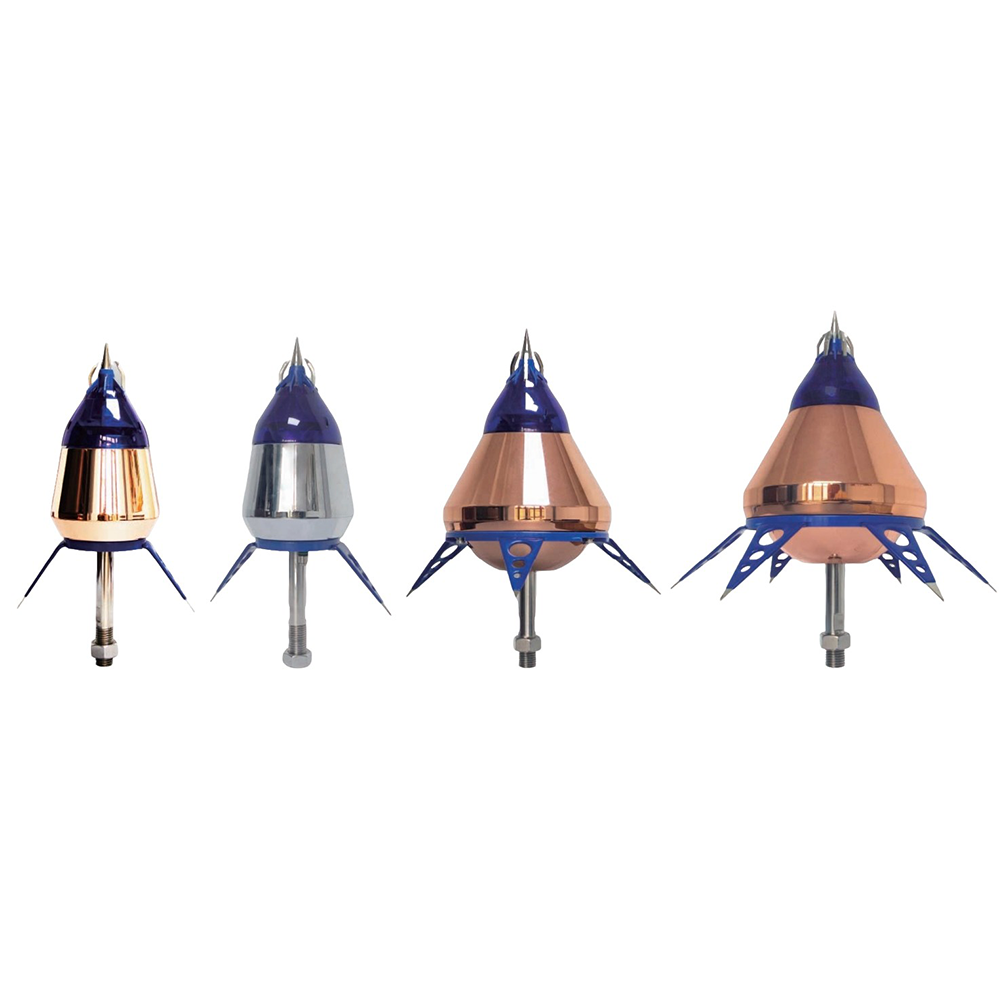
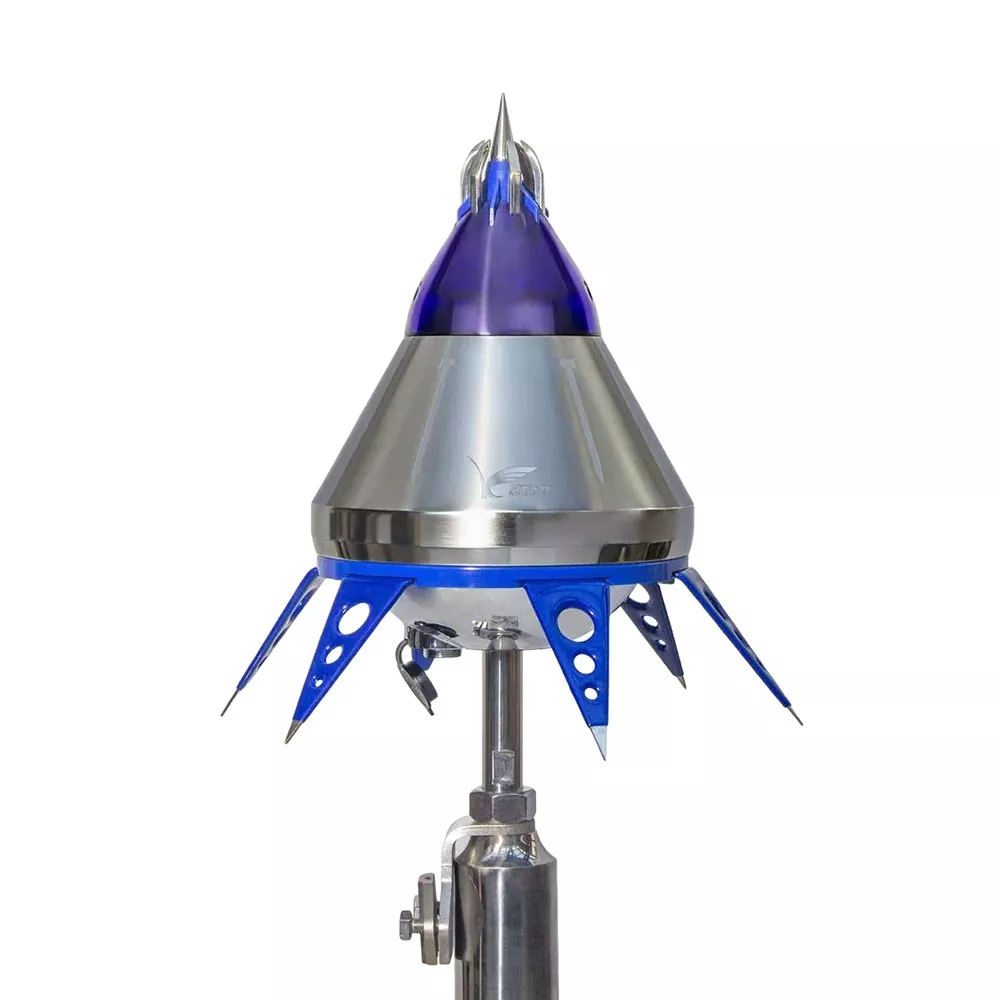
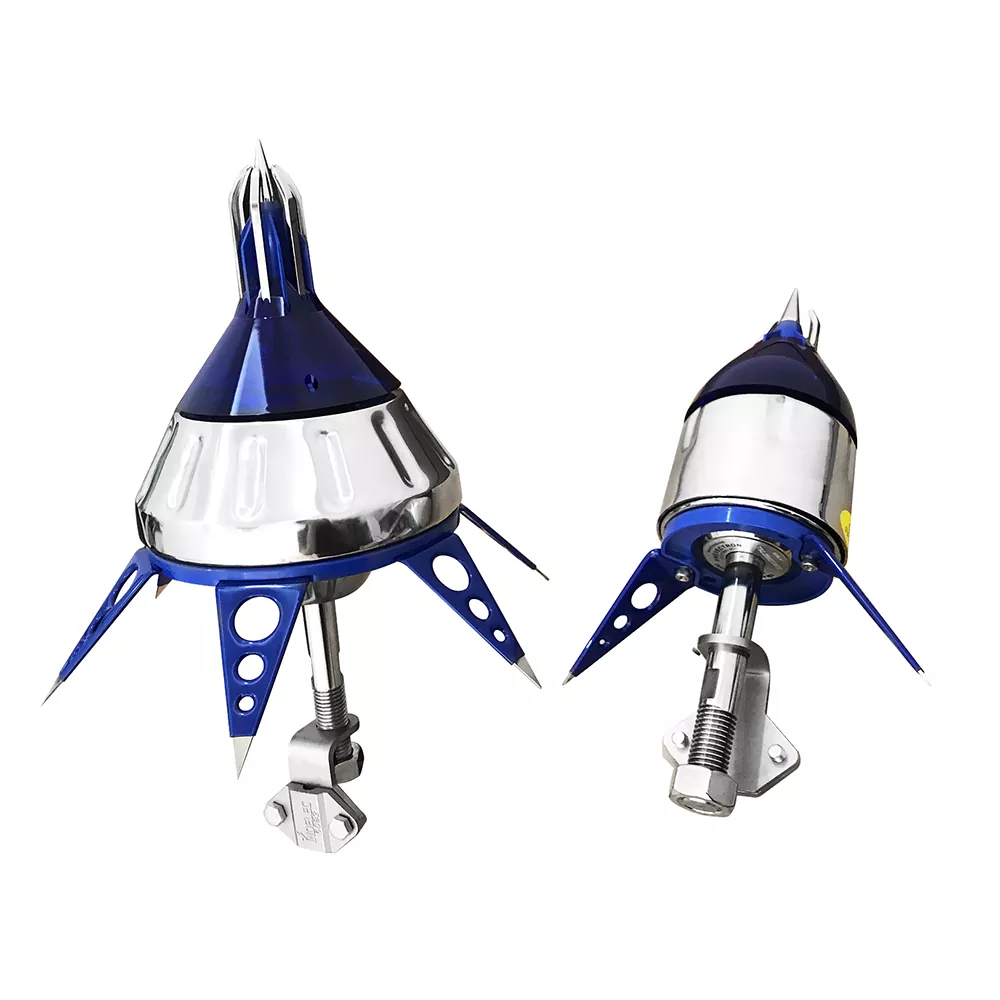
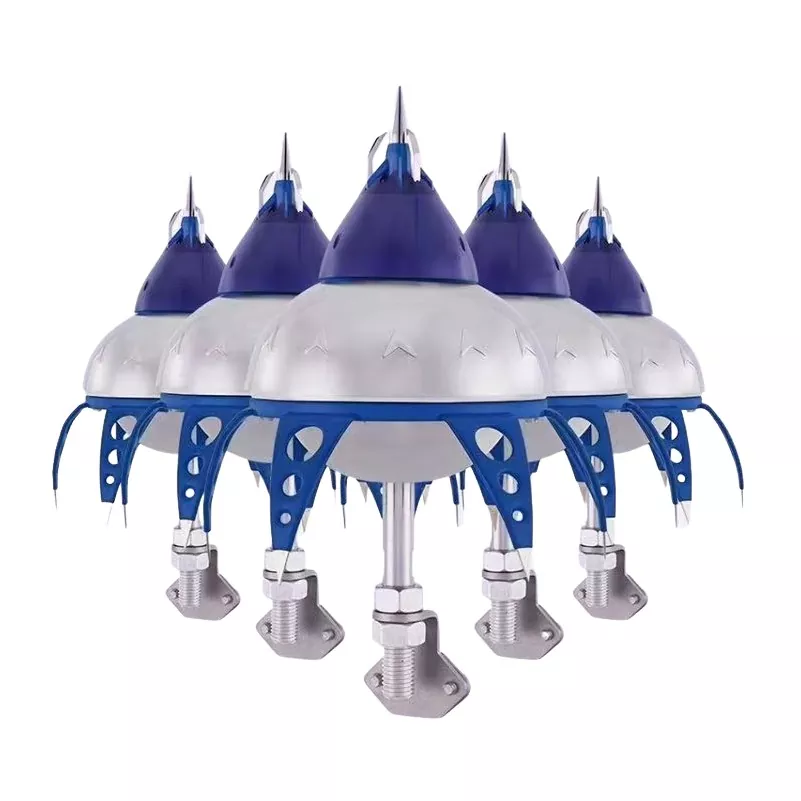
Pulsed Active Lightning Rod System
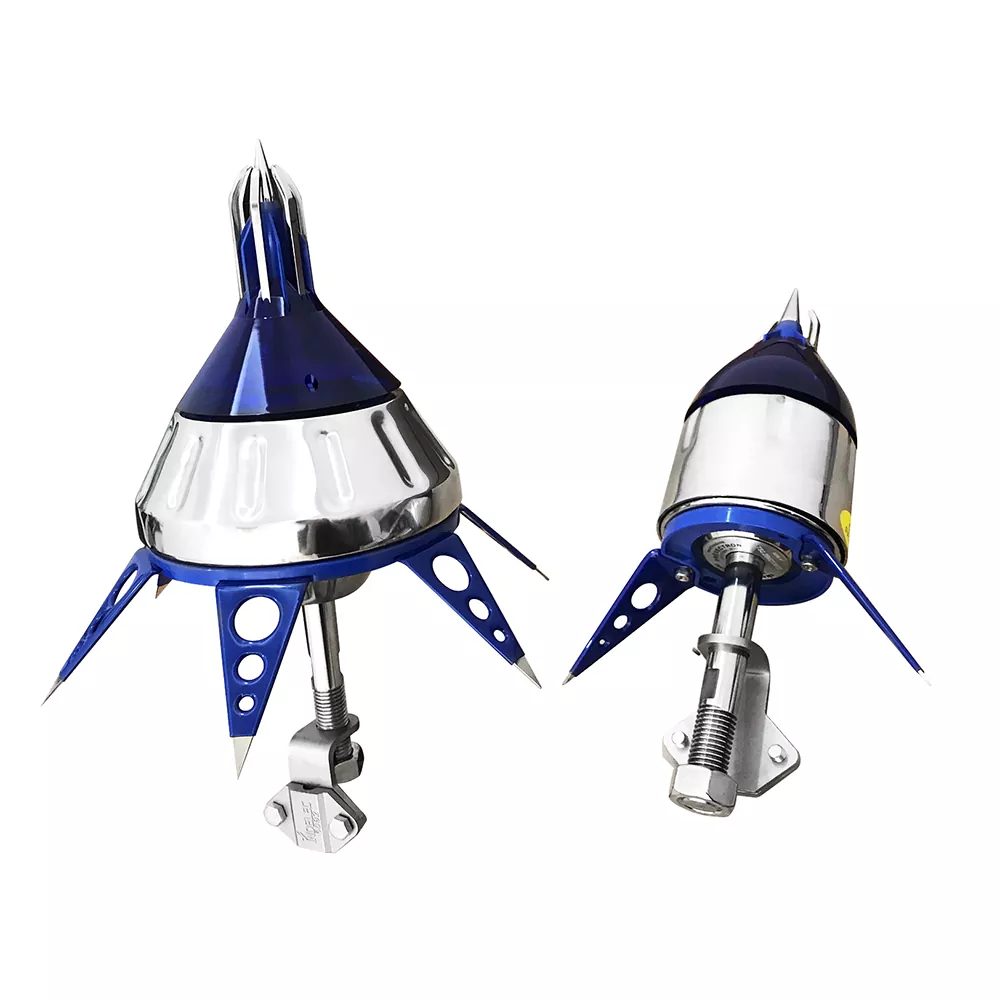
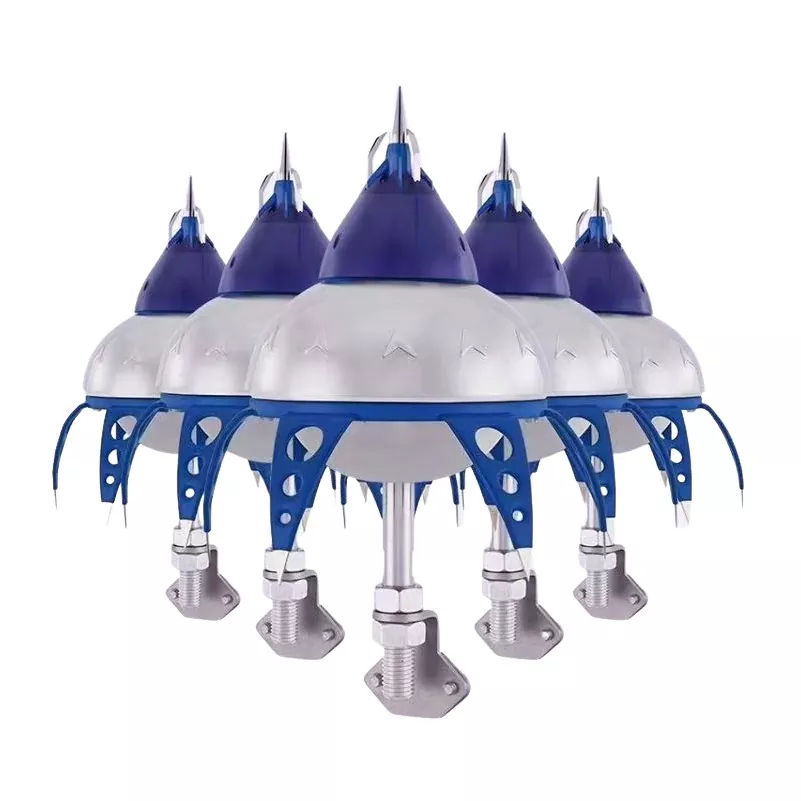
Saint Ni Lightning Protection Pulsed Active Lightning Rod System uses atmospheric electric-field sensing and high-voltage pulse triggering to form an upward leader and intercept direct lightning strikes before they reach protected structures. Requiring no external power, it is suitable for substations, energy storage stations, photovoltaic plants, industrial facilities, communication towers, and other large-scale projects.
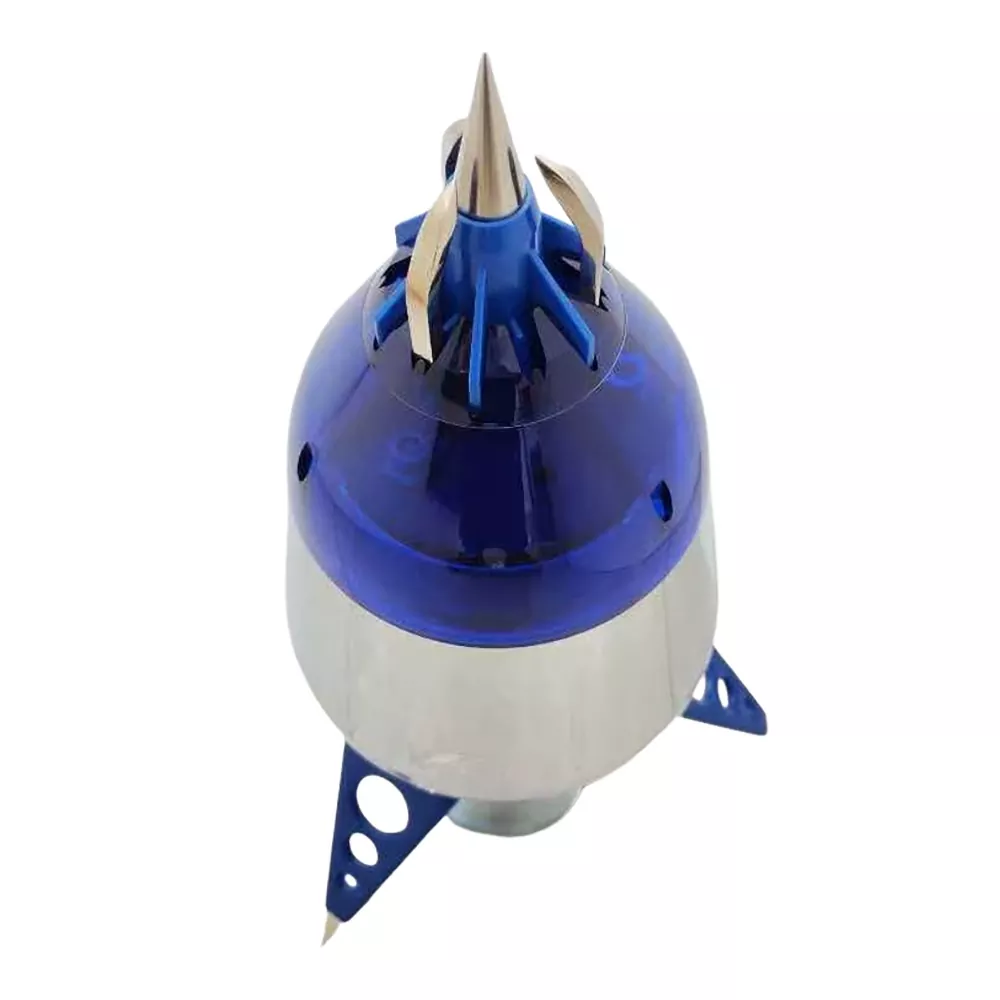
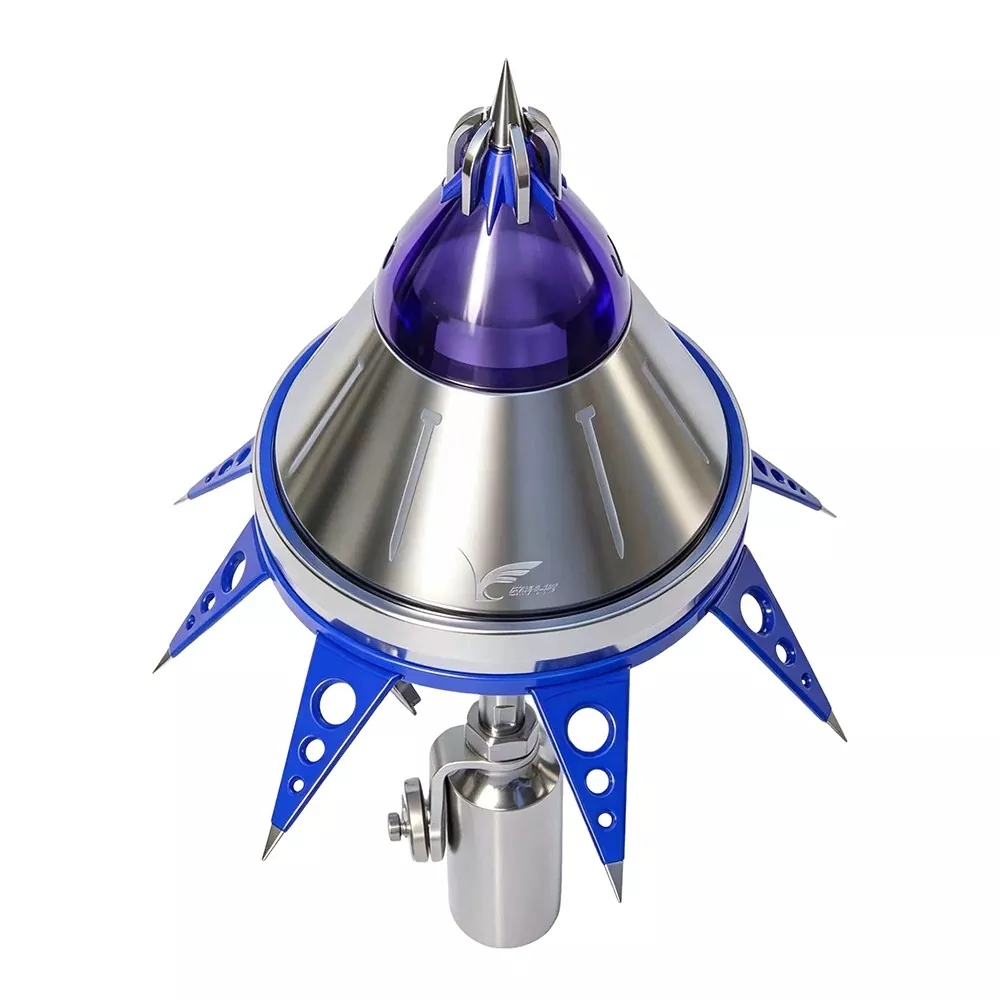
Saint Ni Lightning Protection Pulsed Active Lightning Rod System is designed for direct lightning protection of energy storage stations, substations, industrial facilities, photovoltaic plants, communication towers, and large buildings. It uses atmospheric electric-field energy to activate an internal pulse module without external power. When the electric field reaches the preset trigger condition, the system releases a high-voltage pulse at the air-terminal tip, promoting an upward leader to intercept the approaching lightning channel.
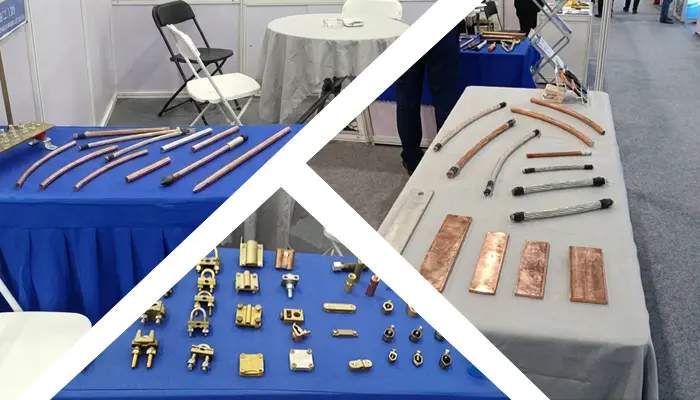
The lightning current is then conducted through the down conductor into the grounding system. Saint Ni Lightning Protection provides the air terminal together with compatible grounding components to form a complete lightning protection path for large-scale engineering projects.
Working Principle
Pulse Triggering
When a thundercloud approaches, the surrounding atmospheric electric field increases. The sensing unit collects and stores electric-field energy. Once the preset threshold is reached, the pulse circuit releases the stored energy and rapidly increases the electric field around the terminal tip, creating an upward ionized leader.
After lightning interception, the current passes through the down conductor and is dispersed through the grounding network. This design provides a controlled lightning interception path while reducing the risk of direct strikes to protected structures.
Key Parameters
|
Parameter |
Specification |
|
Product Type |
Pulsed Active Lightning Rod System |
|
Trigger Method |
Atmospheric electric-field sensing |
|
External Power |
Not required |
|
Pulse Duration |
500 μs in the referenced project |
|
Air Terminal Height |
2.5 m in the referenced project |
|
Main Material |
304 stainless steel |
|
Protection Radius |
Project-specific calculation |
|
Grounding |
Copper / copper-clad steel / nano-carbon systems |
|
Service Life |
22 years in the referenced project |
|
Quality System |
ISO 9001:2015 |
|
Environmental System |
ISO 14001:2015 |
The actual protection radius and configuration should be determined according to installation height, lightning protection level, protected area, site conditions, and applicable standards.
Installation
Mounting
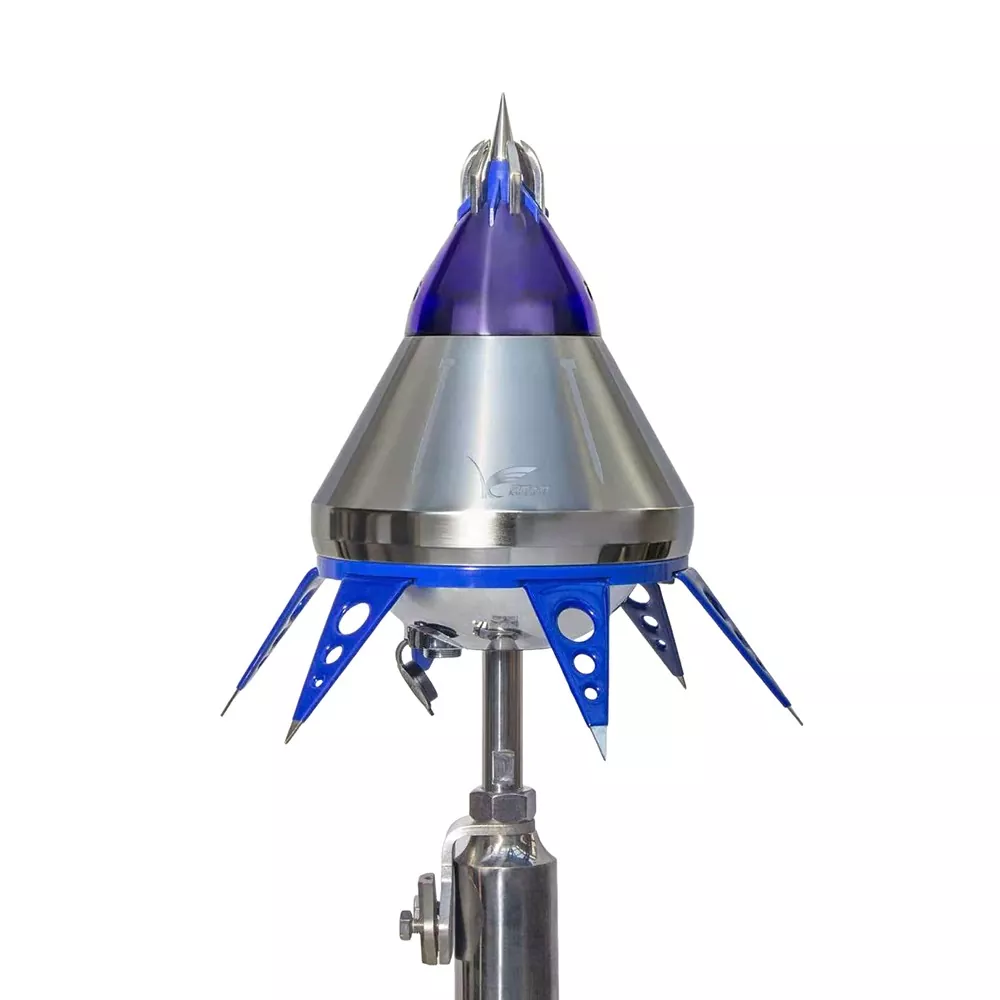
The terminal is fixed to a reinforced base using bolts and kept vertically aligned. The installation position should be selected according to the required protection area and structural height.
Down Conductor
The down conductor connects the air terminal to the grounding system. The route should be as direct as practical, with reliable mechanical and electrical connections.
Grounding
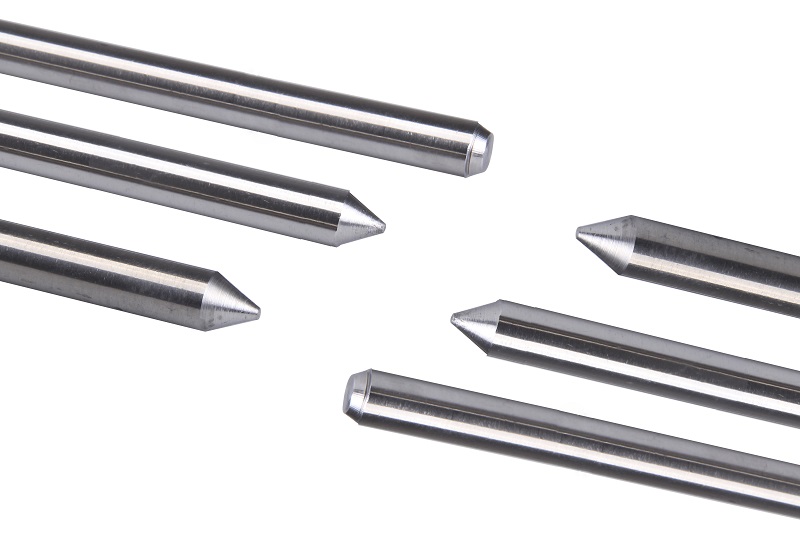
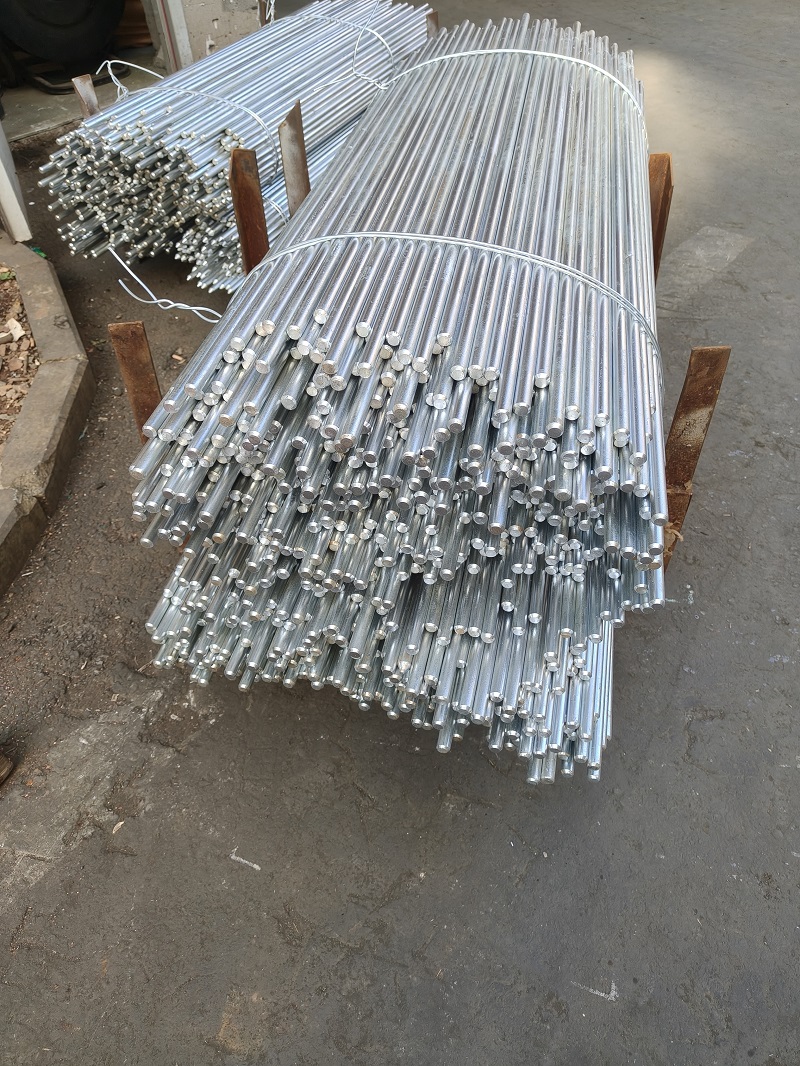
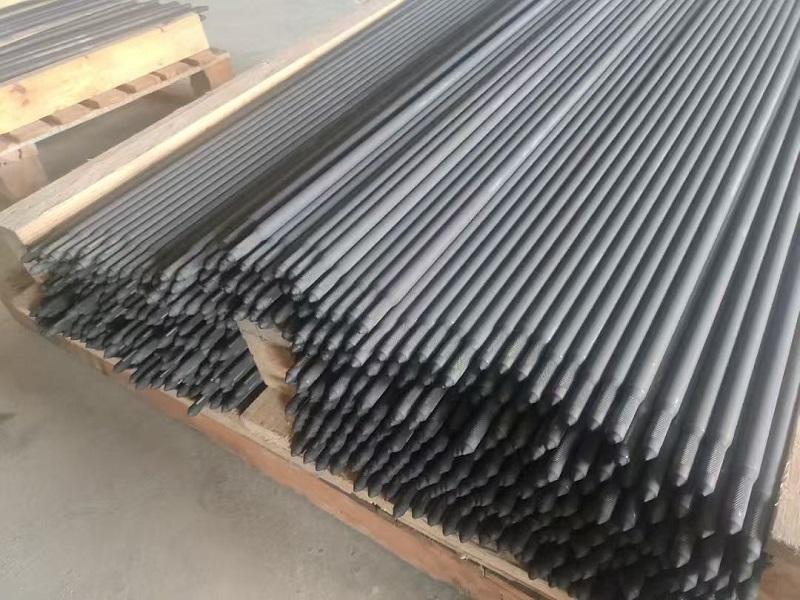
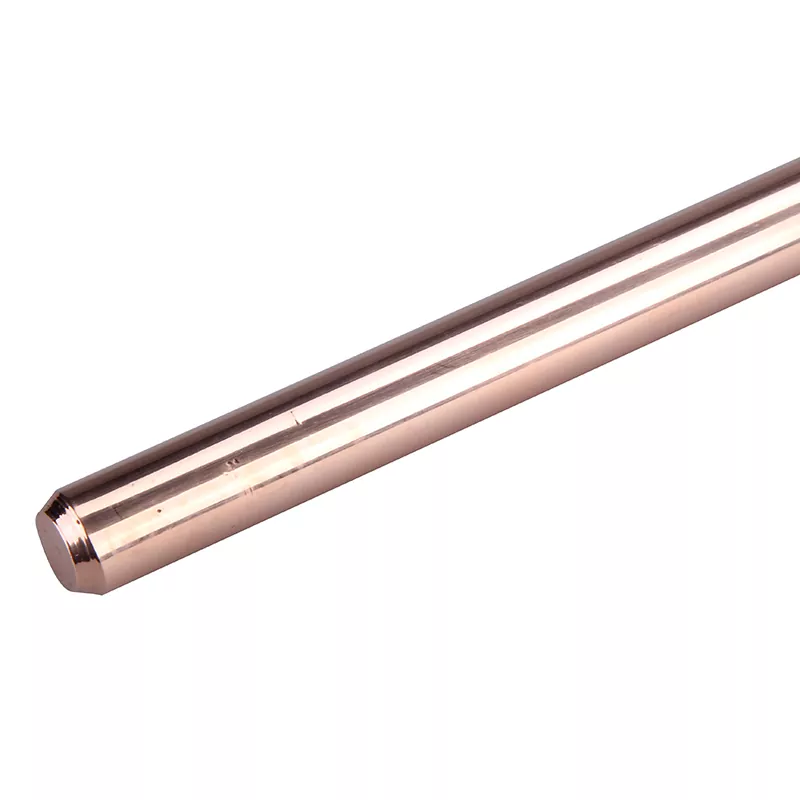
The Pulsed Active Lightning Rod System can be combined with copper conductors, nano-carbon grounding strips, grounding wires, and copper-clad steel grounding rods. After installation, grounding resistance and connection continuity should be tested.
Project Case
East China Energy Storage
The project is a large shared energy storage power station located approximately 350 meters from the coastline. The site experiences high salt fog, around 112 thunderstorm days per year, and includes Class I explosion-proof energy storage areas.
A 2.5-meter system was installed on energy storage compartments and step-up transformer high points. The project used a 500 μs pulse configuration, pure copper down conductors, bronze grounding connectors, 95 mm² copper-clad steel stranded wire, and Φ18 copper-clad steel grounding electrodes.
Compared with the original ESE solution, the number of installed units was reduced by 52%. Lightning-related faults decreased by 83%, while the overall grounding resistance remained stable. After four years of operation, no moisture-related pulse-module failure or electrode corrosion blockage was found during inspections. Compared with the conventional ESE plus reinforced grounding-grid solution, the main lightning protection materials and earthwork cost was reduced by 54%.
Product Comparison
|
Item |
Pulsed Active System |
Conventional Lightning Rod |
ESE Type |
|
Triggering |
Electronic pulse |
Natural discharge |
Early discharge |
|
External Power |
Not required |
Not required |
Not required |
|
Pulse Module |
Yes |
No |
Usually no |
|
Large-Area Application |
Suitable |
More installation points may be required |
Suitable |
|
Grounding |
Required |
Required |
Required |
|
Typical Use |
Energy storage, substations, industrial sites |
General structures |
Large structures |
Applications
Power Projects
Suitable for substations, energy storage stations, photovoltaic plants, wind farms, transmission facilities, and other power infrastructure.
Industrial Sites
Applicable to chemical plants, hazardous-material warehouses, industrial parks, mining areas, and large outdoor storage yards.
Tall Structures
Suitable for communication towers, high-rise buildings, stadiums, exhibition centers, and large steel structures.
Technical Assurance
Saint Ni Lightning Protection operates under GB/T19001-2016 / ISO9001:2015 quality management and GB/T24001-2016 / ISO14001:2015 environmental management systems. Products can be tested for structural strength, pulse response, sealing, and corrosion resistance before shipment. Standard configurations are available, with installation height and grounding components matched to project requirements.
FAQ
Does it need external power?
No. The Pulsed Active Lightning Rod System obtains energy from the atmospheric electric field and does not require conventional external power during normal operation.
How is the protection radius determined?
The protection radius depends on the installation height, protection level, site layout, and applicable calculation method. Saint Ni Lightning Protection can provide project-specific selection support.
Can it be used near the coast?
Yes. The corrosion-resistant structure and sealed pulse module are suitable for outdoor environments. For high-salt-fog sites, the grounding and connection materials should also be selected according to local corrosion conditions.
Can the grounding system be supplied together?
Yes. Saint Ni Lightning Protection can provide compatible grounding strips, grounding wires, grounding rods, connectors, and other components for complete lightning protection projects.
Send Inquiry
Contact Info
-
Address
Woxi Avenue, Chengtan Street, Xinchang County, Shaoxing City, Zhejiang Province, China
-
Tel
-
Email
Get a Tailored Quote for Your Lightning Protection Project
Whether you need standard grounding rods, custom-engineered materials, or a complete system solution for a large-scale infrastructure project, Saint Ni is here to help. As a direct manufacturer with our own factory in China, we provide competitive pricing, fast response, and expert technical support.
Complete the form below and our engineering team will respond within 24 hours with a customized recommendation — including product specifications, certifications, and shipping options tailored to your region.
Related Products


News Recommendations